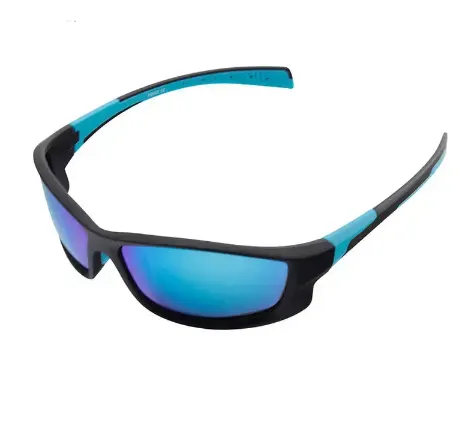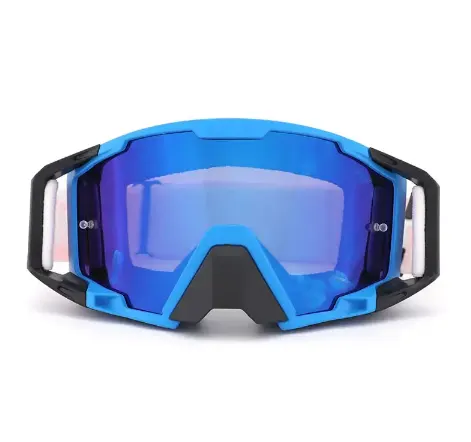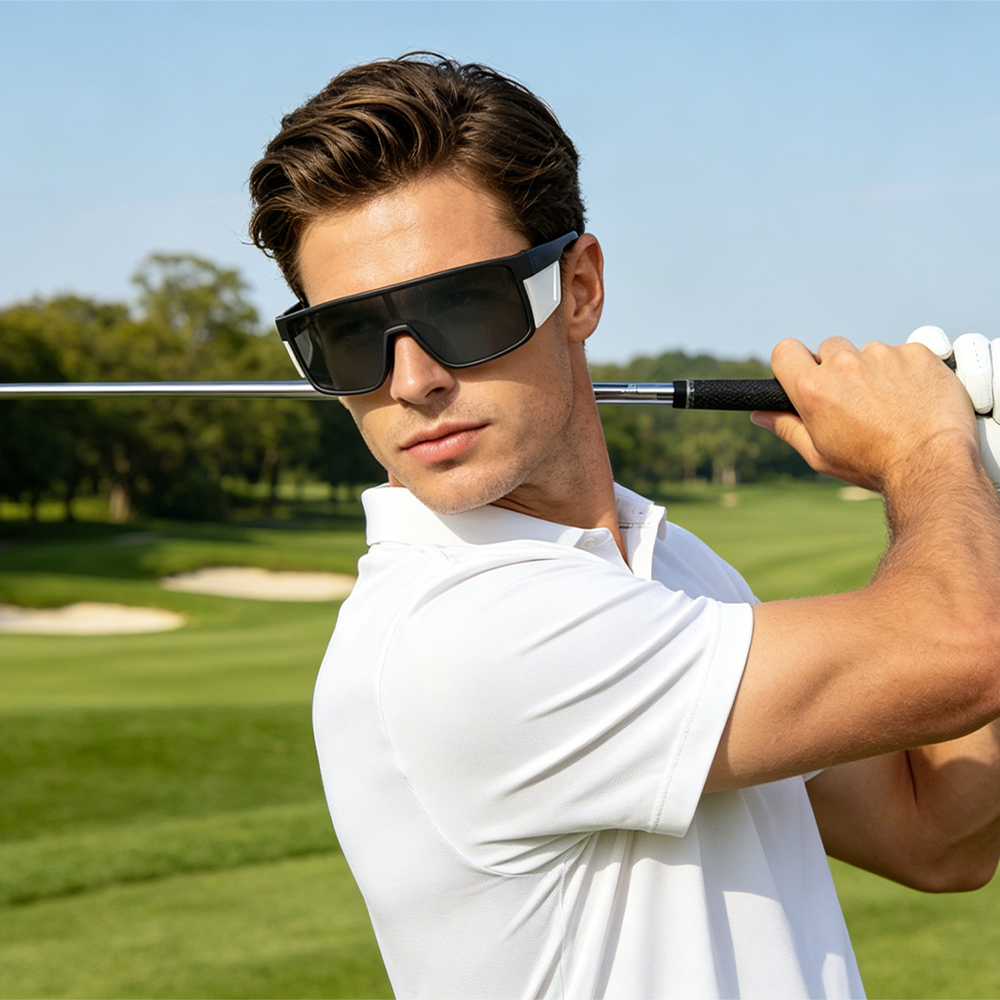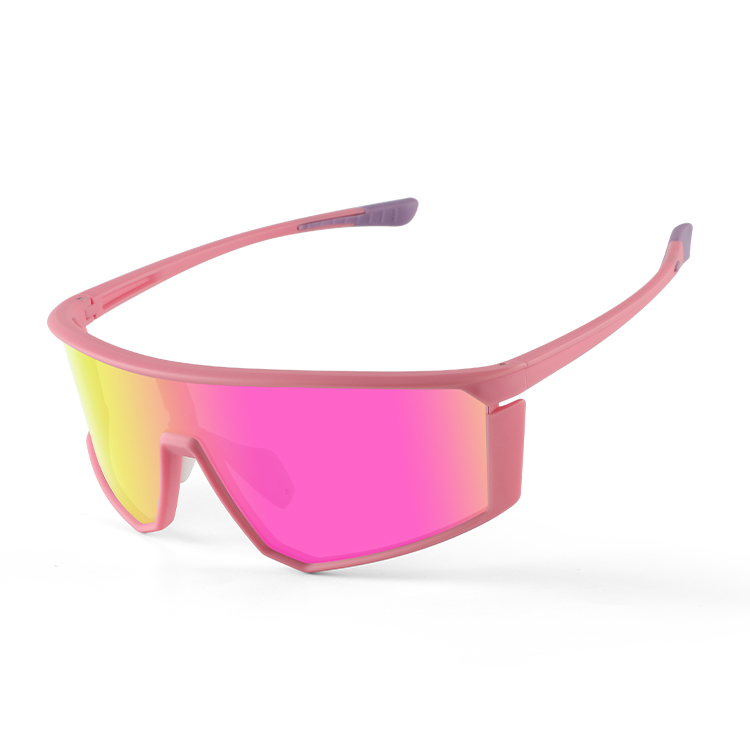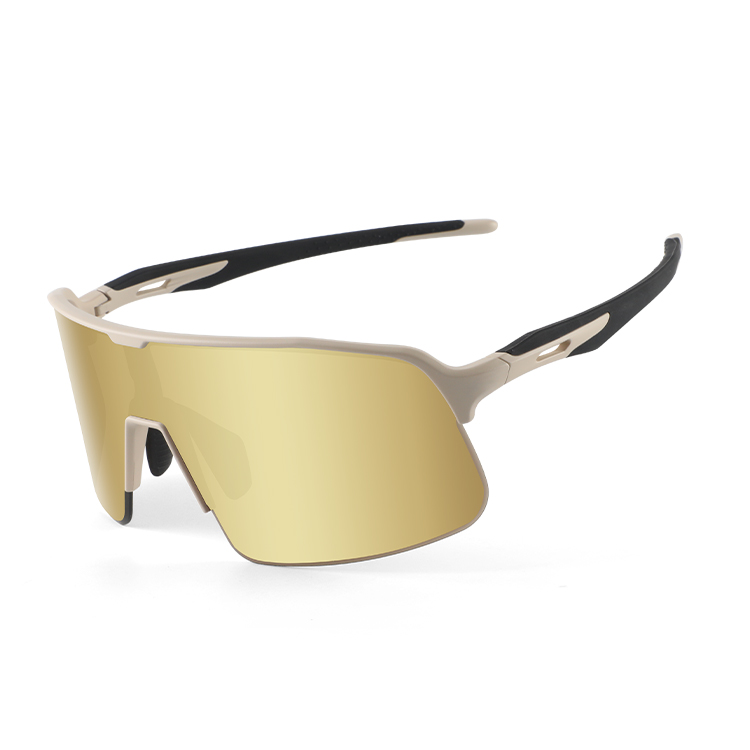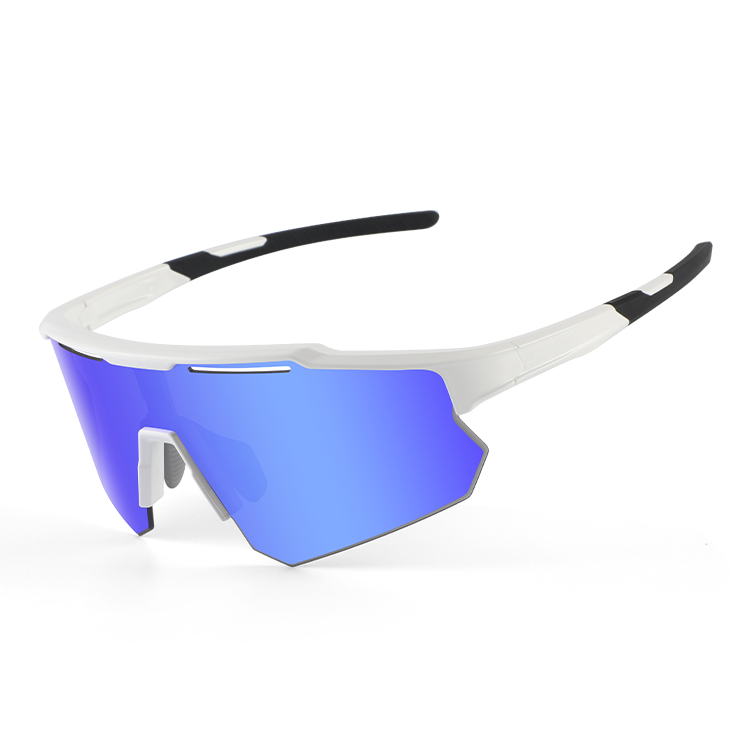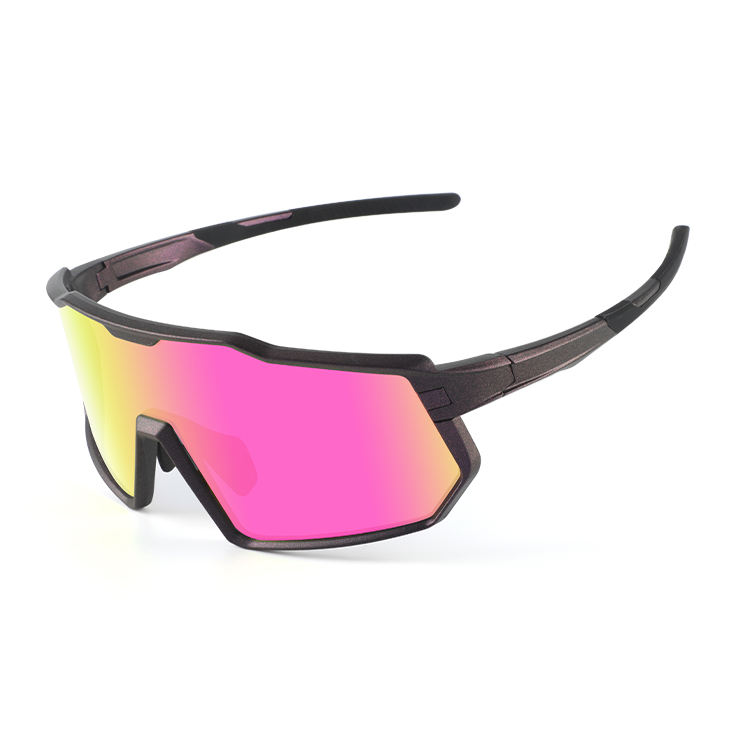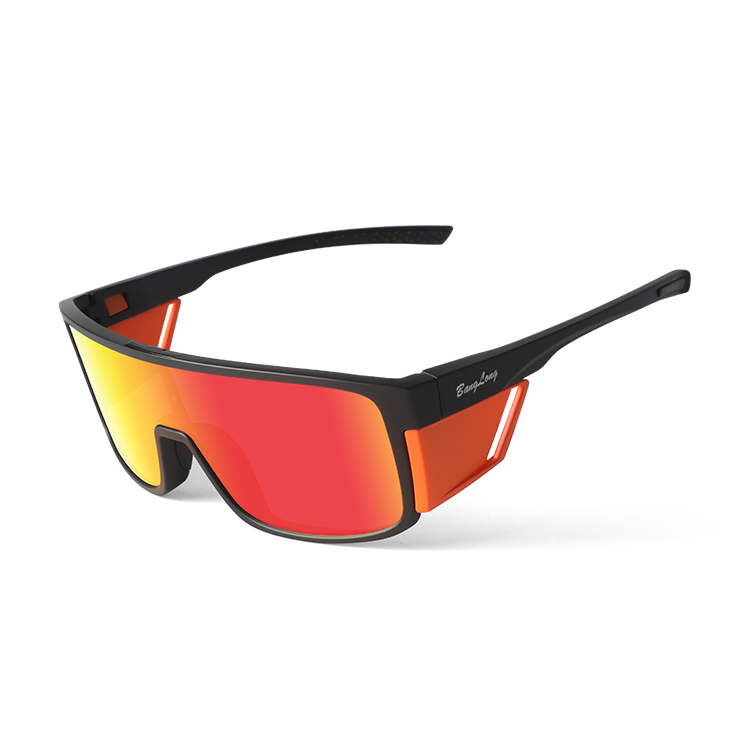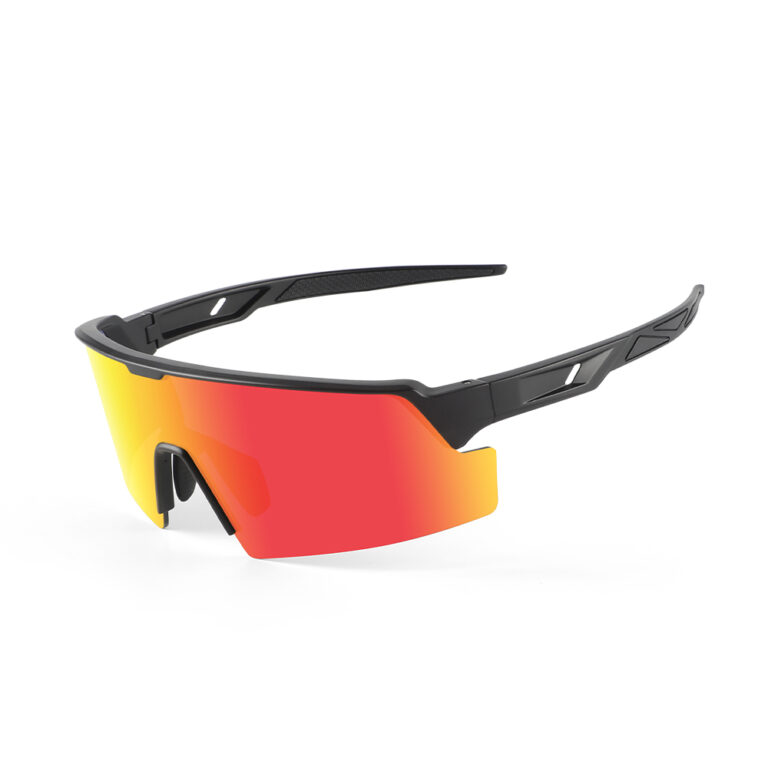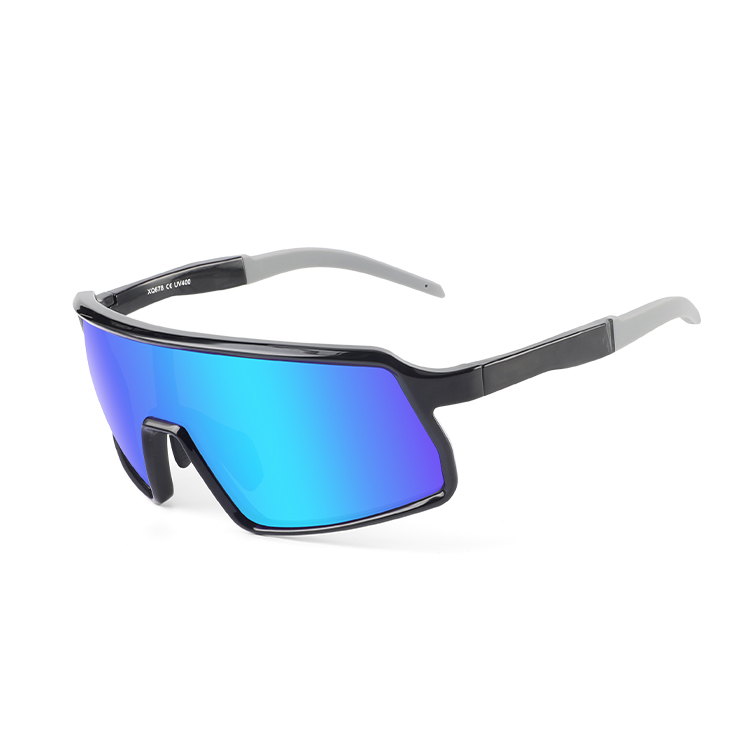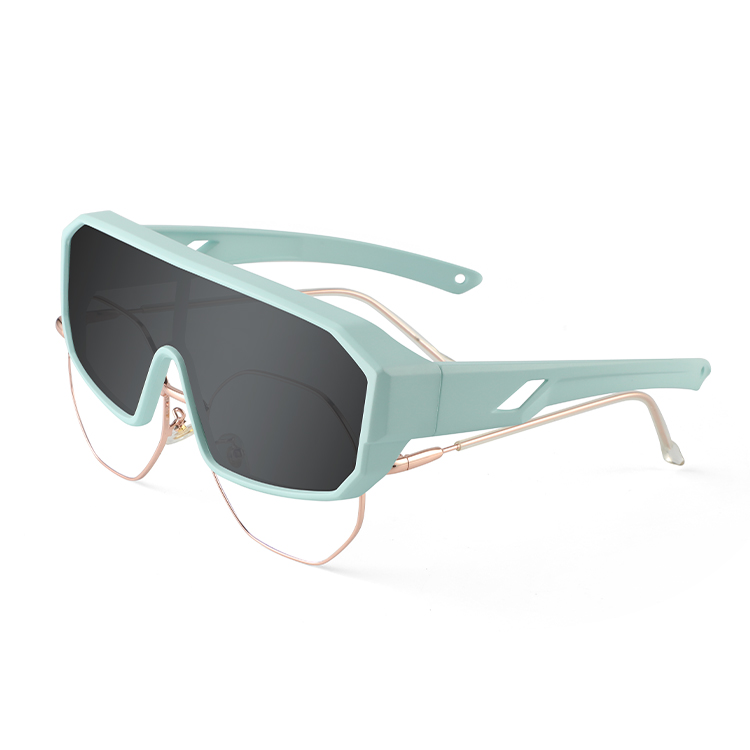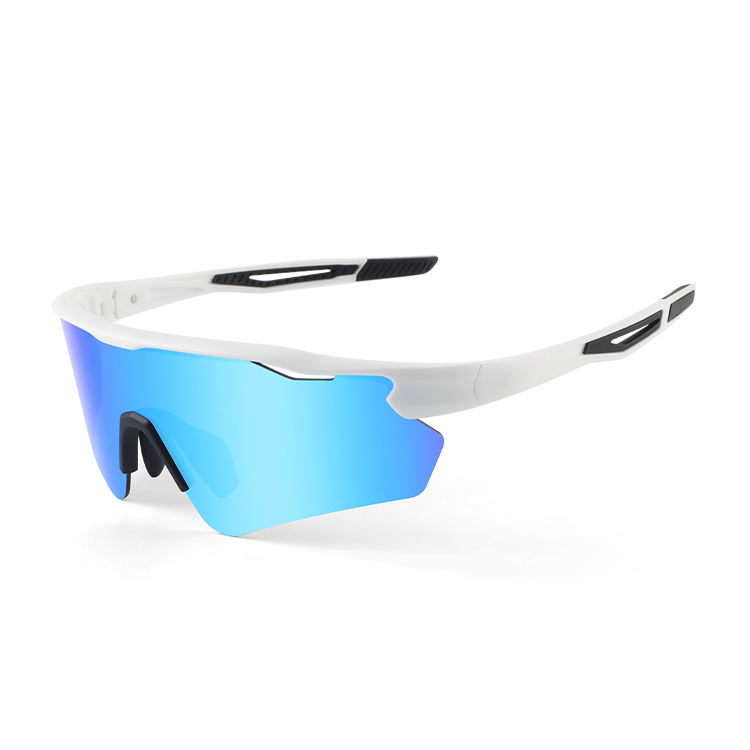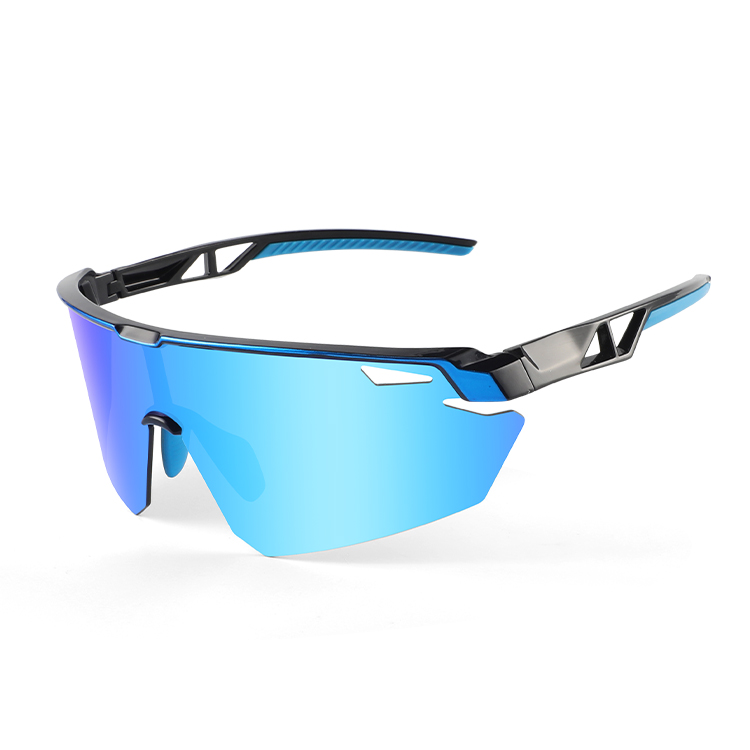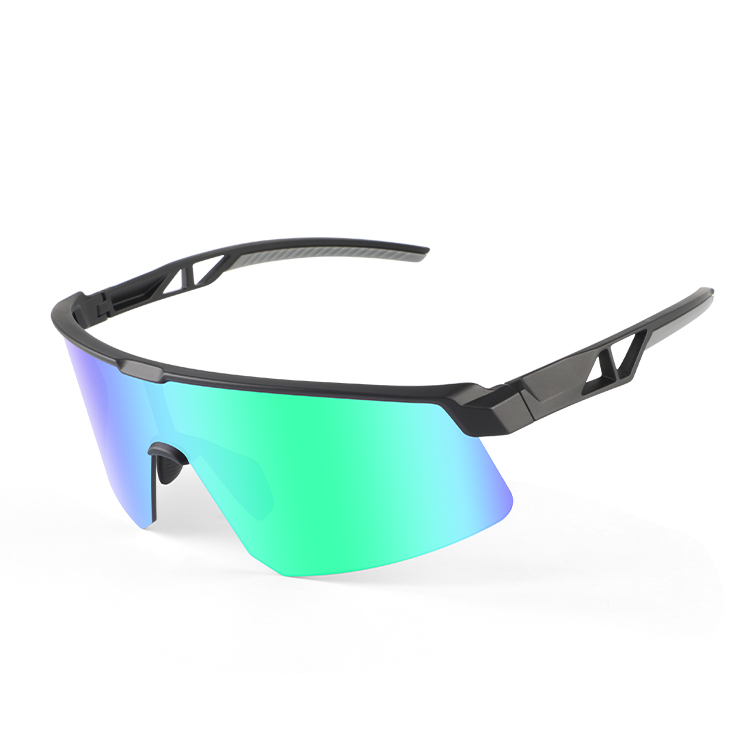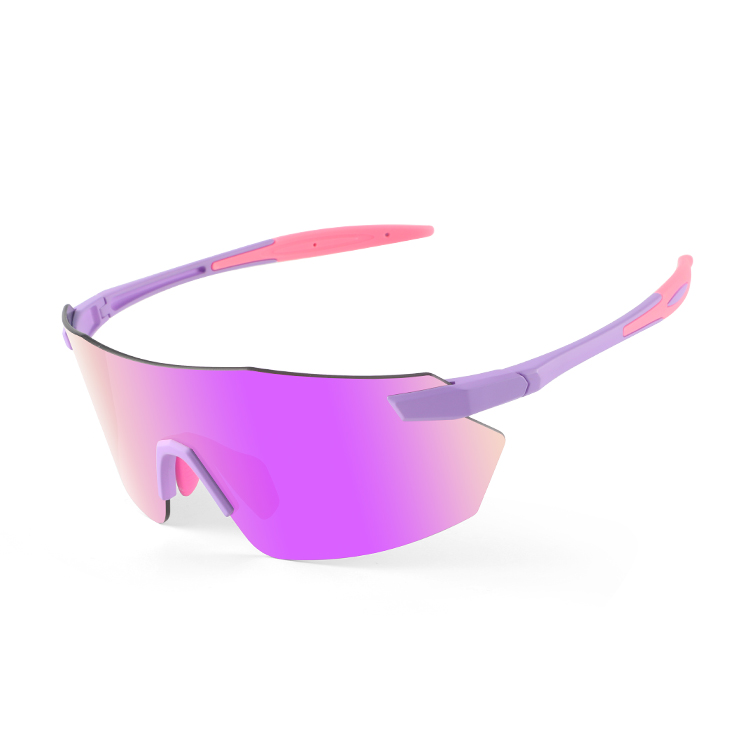












As a result of the rapid development of the fitness craze, the majority of runners focus not only on their pace and endurance but also on their vision and eye safety. Given that nowadays we have brightly colored cities with numerous reflective surfaces, polarized running sunglasses have become one of the most widely used pieces of equipment among joggers.
For those people who exercise every day, the first question that comes to mind is whether it is worth purchasing such sunglasses.
1. Polarized Running Sunglasses in Daily Running Performance
 1.1 Visual Comfort and Glare Reduction
Our eyes are usually exposed to light from the sun, light reflection from roads, and glare in the environment while running outside. The logic that explains the use of polarized running sunglasses lies in filtering out the light reflecting from the horizon, thereby enhancing our vision greatly.
Practically, the reflection from roads causes the light level to go up by three to five times from 11:00 AM to 3:00 PM.
With polarized lenses:
- Glare reduction reaches approximately 60%–90%
- Visual contrast improves by around 30%
- Eye fatigue onset can be delayed by about 20%–25%
These improvements make polarized running sunglasses particularly useful for runners training in open or high-exposure environments.
1.2 Improved Safety Awareness
Running is not only about performance but also about reaction time and environmental awareness. On city roads or mixed terrain paths, runners must quickly detect:
- Uneven surfaces
- Vehicles and bicycles
- Sudden changes in terrain
By enhancing contrast and reducing glare, polarized running sunglasses can improve visual recognition speed by approximately 0.2–0.5 seconds in dynamic environments. This small improvement can significantly reduce accident risk during outdoor training.
2. Polarized Running Sunglasses vs Regular Sports Sunglasses
2.1 Optical Differences
| Type | Main Function | Visual Effect |
| Regular sunglasses | Reduce brightness | Basic light control |
| Polarized sunglasses | Reduce glare + UV protection | Clearer contrast |
| Polarized running sunglasses | Sports-optimized clarity + stability | Enhanced performance vision |
Compared with standard eyewear, polarized running sunglasses provide more precise optical filtering rather than simply darkening vision.
2.2 Usage Environment Comparison
- Urban road running (high reflection surfaces)
- Coastal running (water glare reflection)
- Trail running (mixed light and shadow conditions)
In these scenarios, polarized running sunglasses offer a more stable and comfortable visual experience.
3. Technology Behind Polarized Running Sunglasses
3.1 Polarized Lens Mechanism
The lens structure of polarized running sunglasses uses a vertical filter layer that blocks horizontal light waves. This reduces glare from reflective surfaces such as asphalt, water, and glass.
Typical performance standards include:
- Road glare reduction: 70%–90%
- Water reflection filtering: up to 85%
- UV protection: 99%–100% (UV400 standard)
3.2 Lightweight Sports Engineering Design
Modern designs focus on long-duration comfort:
- Frame weight: 20g–32g
- Wrap angle: 8°–12° for stability
- Anti-slip nose pads for motion control
- Ventilation channels to reduce fogging by ~40%
These features ensure polarized running sunglasses remain stable during continuous movement.
4. Performance Value for Daily Runners
4.1 Usage Pattern Analysis
Studies of recreational runners show:
- 55% run 3–5 times per week
- 60% run sessions last 30–60 minutes
- Over 70% run in urban environments
These conditions frequently involve glare exposure, making polarized running sunglasses highly relevant for everyday use.
4.2 Real Performance Benefits
Regular use of polarized running sunglasses can provide:
- 25%–40% reduction in eye strain
- Improved long-distance visual endurance
- Better adaptation between shadow and sunlight zones
- Enhanced terrain recognition during motion
5. Who Should Use Polarized Running Sunglasses?
5.1 Ideal Users
- Daily urban runners
- Marathon training athletes
- Outdoor fitness enthusiasts
- Morning and evening runners exposed to variable light
5.2 Less Necessary Users
- Indoor treadmill runners
- Night-only runners
- Very short-duration casual joggers
6. How to Choose the Right Polarized Running Sunglasses
When selecting a pair, key factors include:
- UV400 protection certification
- Polarization efficiency above 90%
- Lightweight design under 30g
- Anti-slip and stable frame structure
- Comfort for at least 2 hours of continuous wear
These factors ensure better long-term usability and performance.
Conclusion
To everyday runners, polarized running sunglasses serve not only as an accessory but also as a useful upgrade in terms of better vision, less eye strain, and increased safety when running outdoors.
From the standpoint of cost-benefit ratio, there is a very good balance in terms of performance benefits and comfort gain.
In the sports eyewear industry, XUNQI GLASSES FACTORY provides a range of high-performance polarized running sunglasses designed for different running conditions and user needs. If you have any product inquiries or customization requirements, feel free to contact us for professional support and tailored solutions.