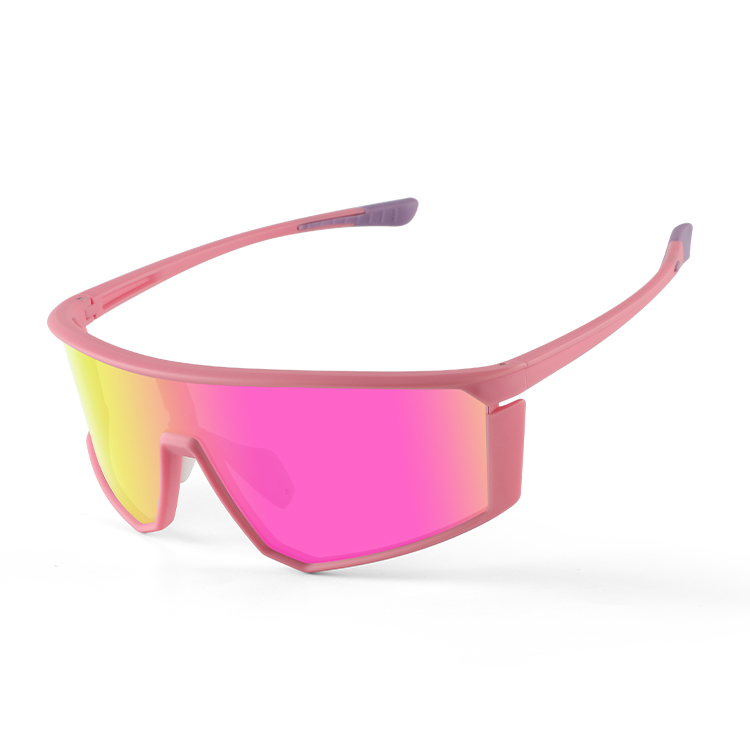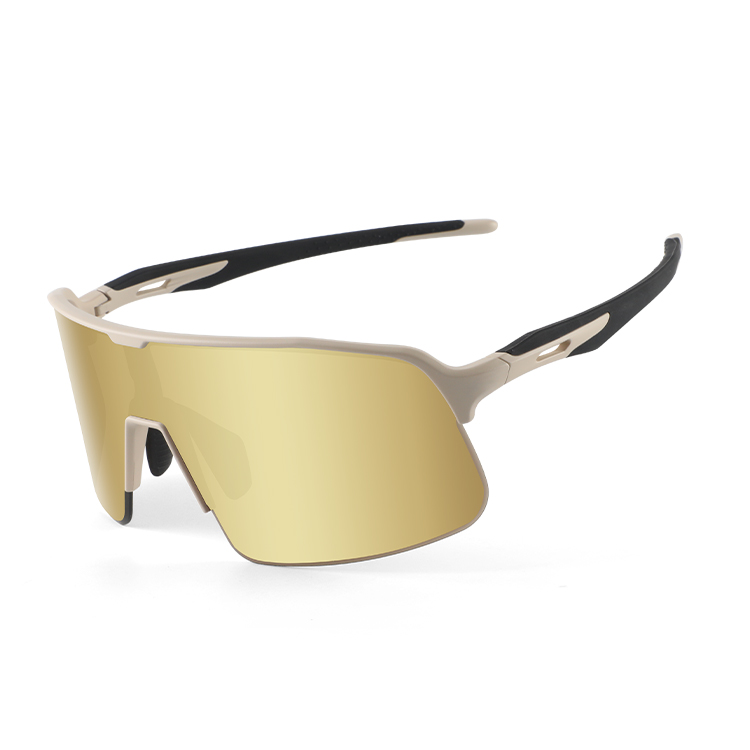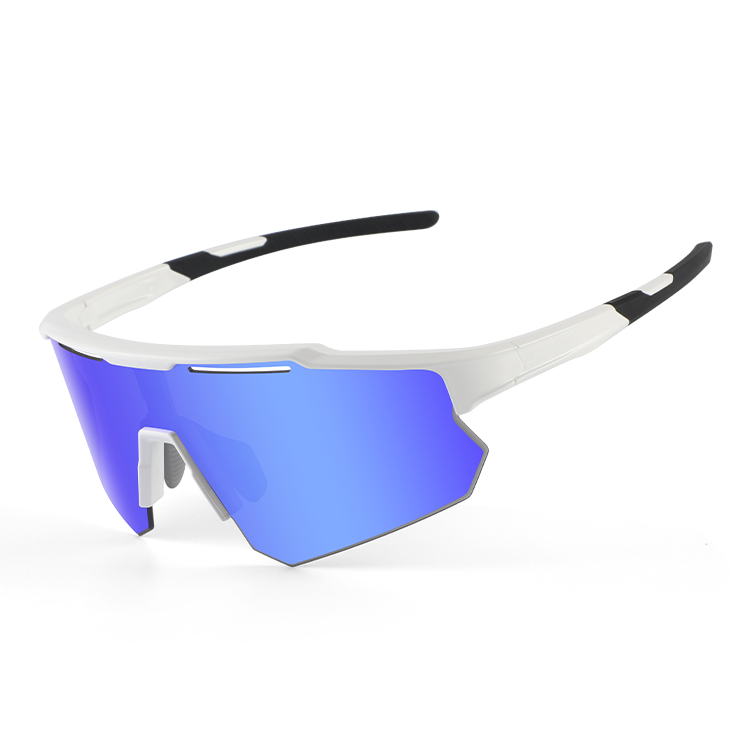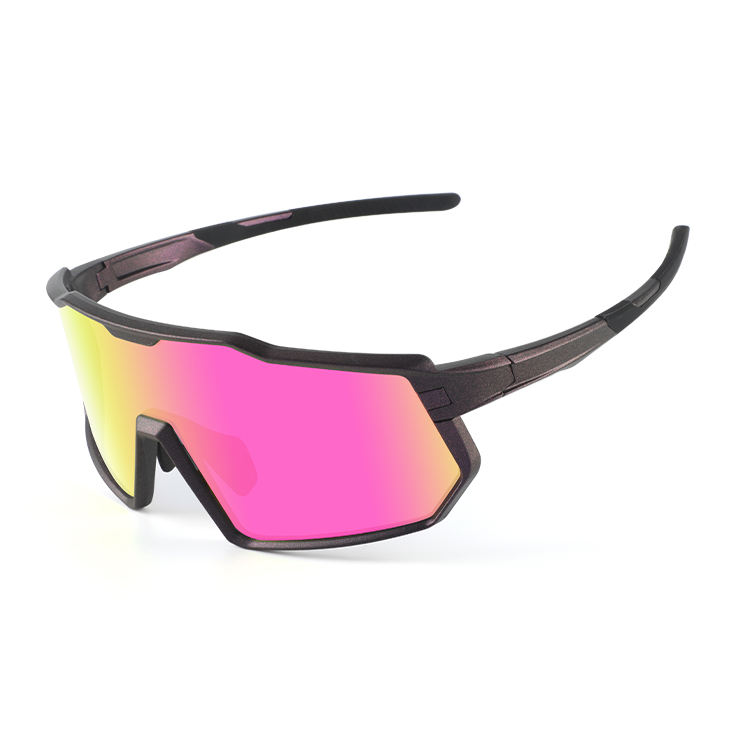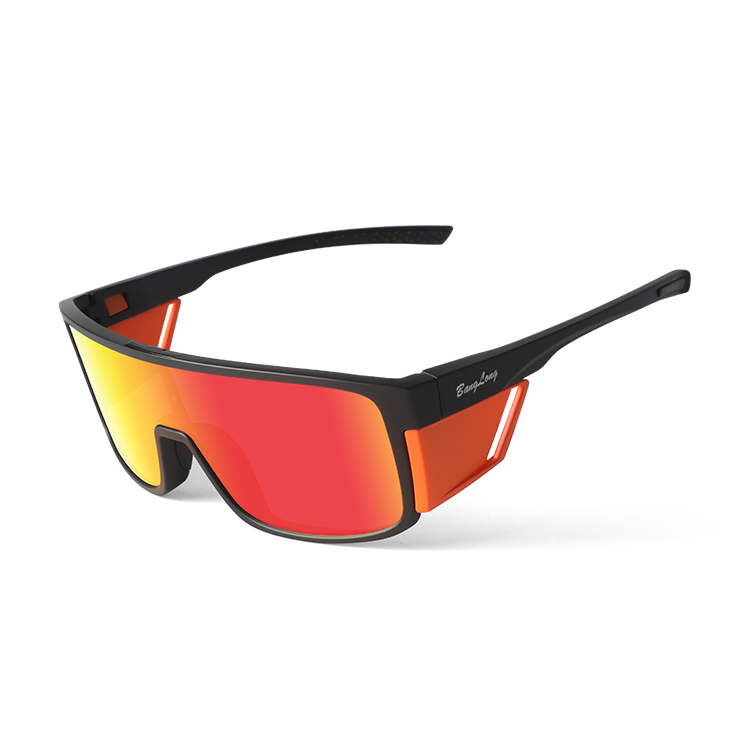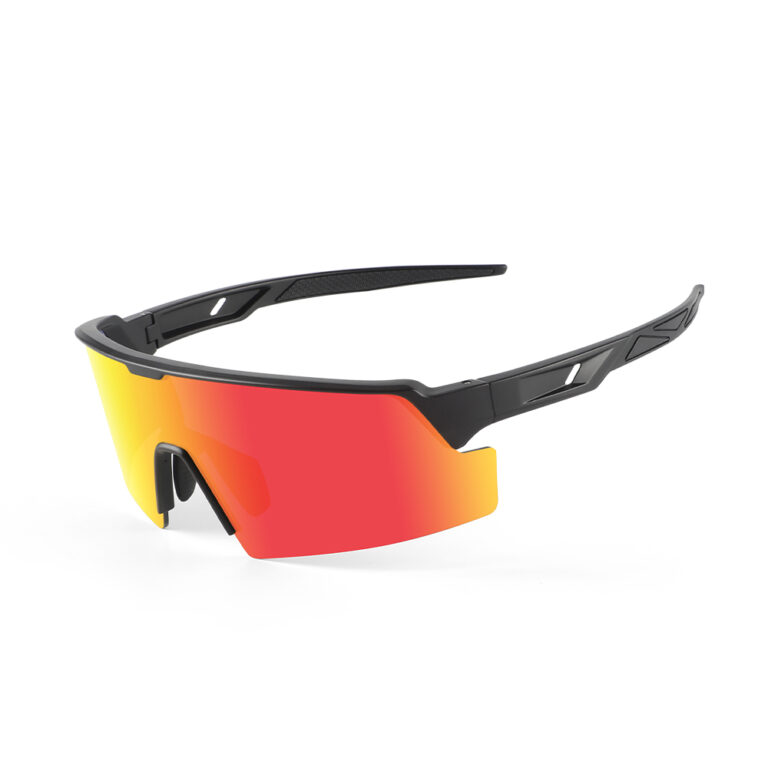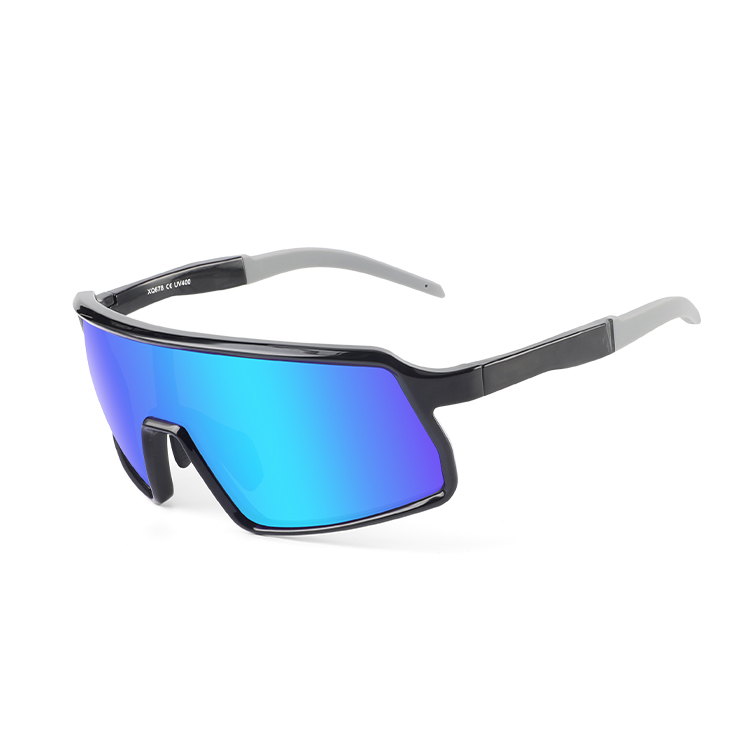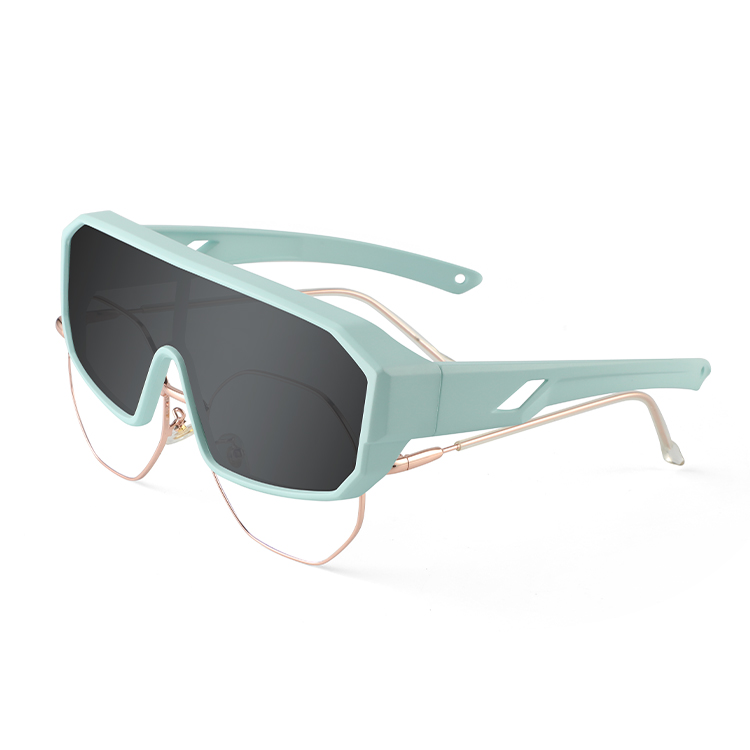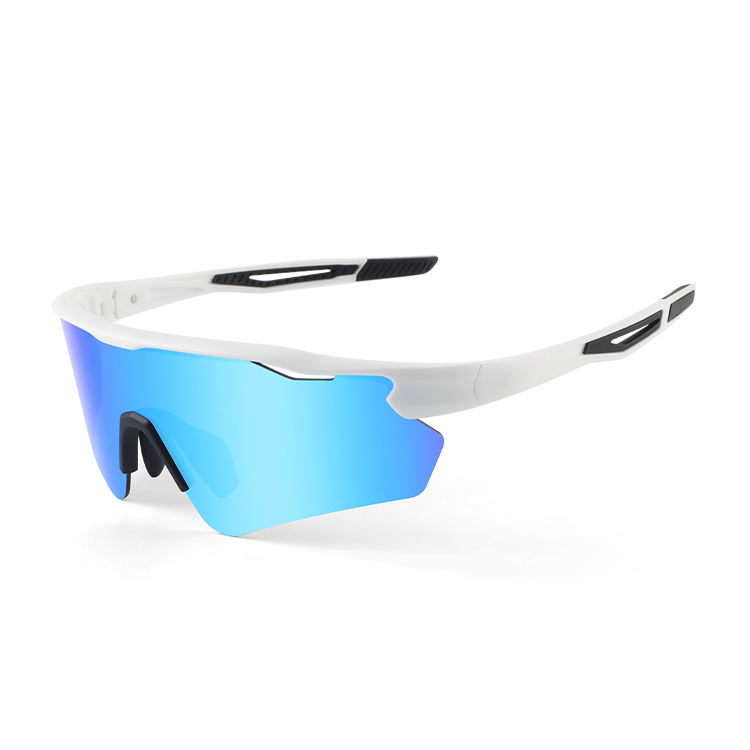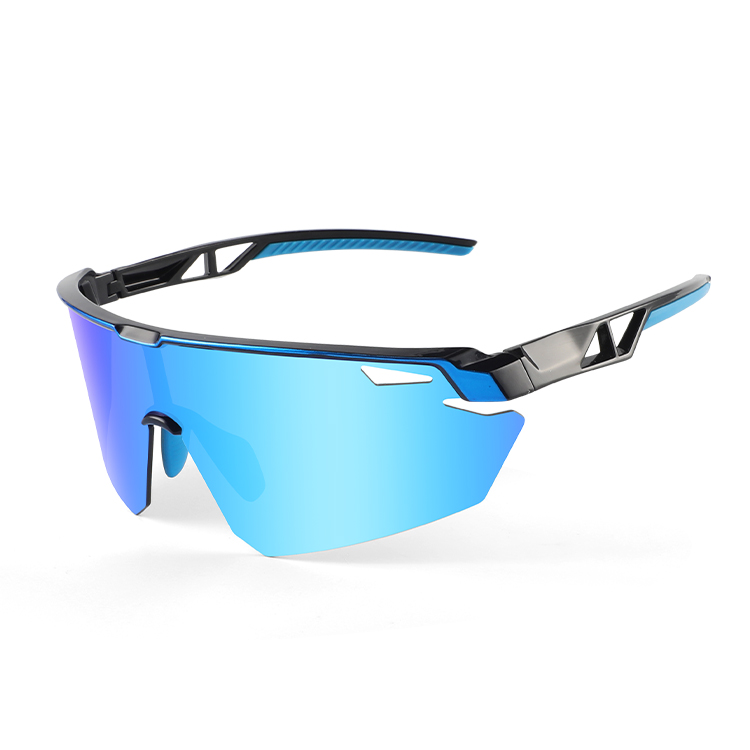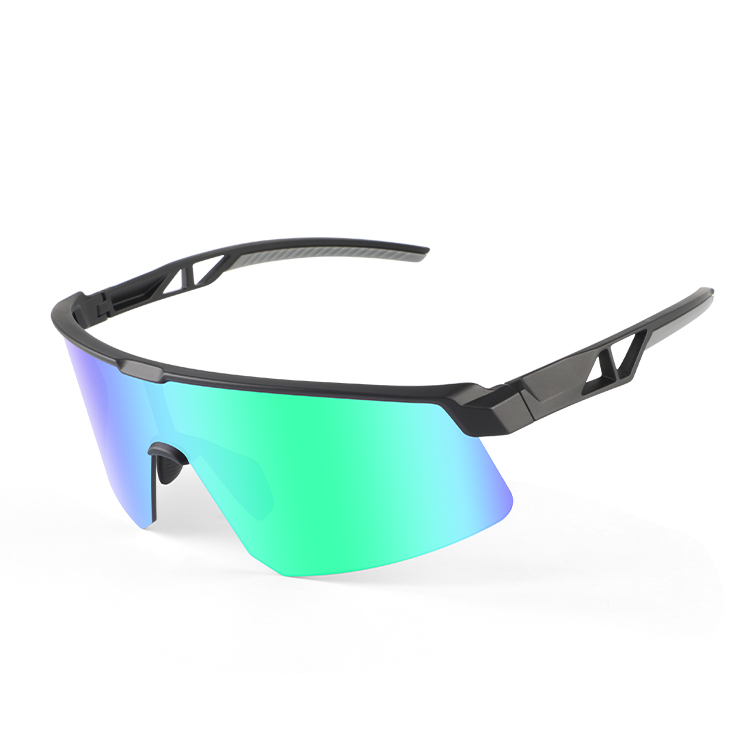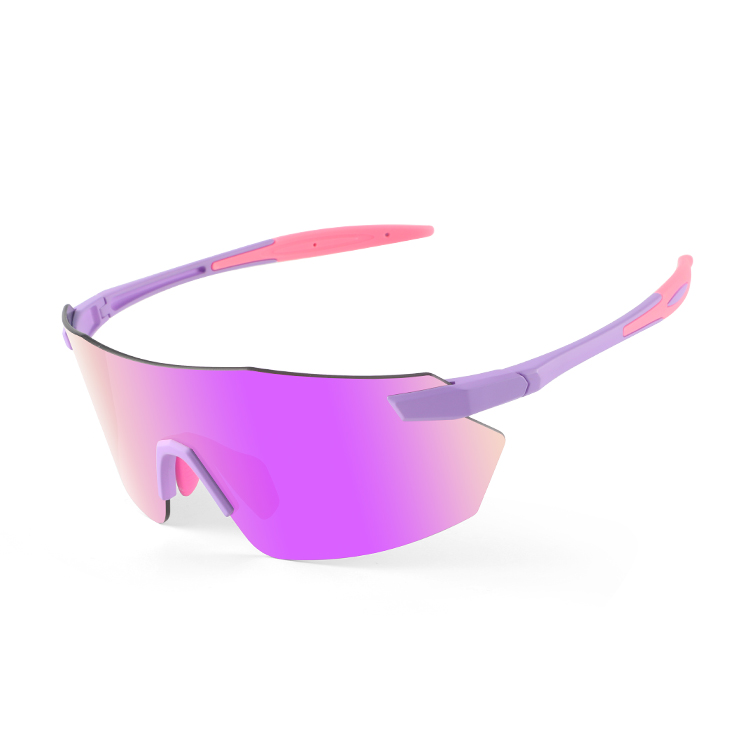












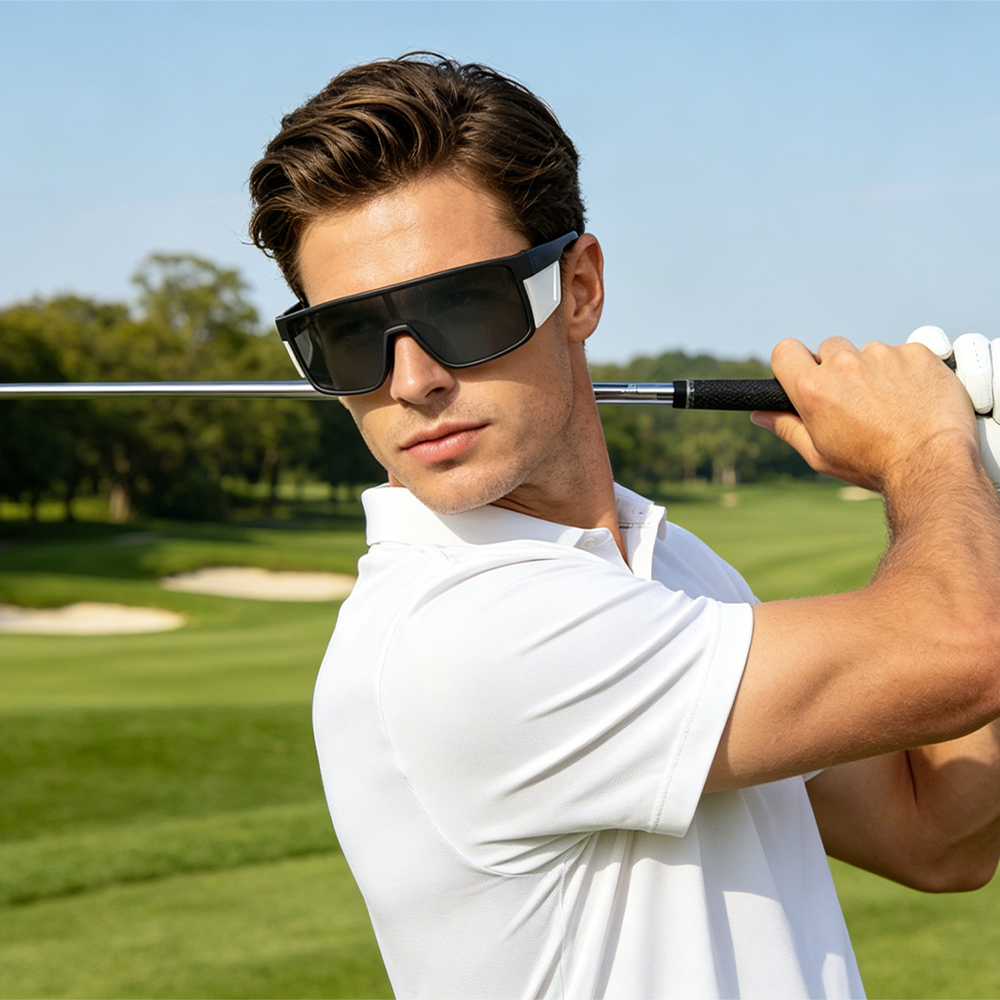
In playing golf, clear vision is one of the factors that influence the success of the swing, the distances, and the entire game performance. Unlike normal sunglasses, golf specific sunglasses are designed with better contrast, improved lens technology, and better glare control. This will help not only in improving your comfort but also in maintaining consistency in your performance.
In real-world applications, different design types of golf eyewear—such as high-definition UV-protection lenses, polarized structures, lightweight rimless or semi-rimless frames, and prescription-compatible sport solutions—are all typical directions of modern golf specific sunglasses, designed to meet the needs of different player levels.
1. Core Functions and Visual Optimization of golf specific sunglasses
Golf courses present complex lighting conditions, including grass reflections, changing sunlight angles, and cloud interference. The main role of golf specific sunglasses is to stabilize vision and enhance contrast.
1.1 Contrast enhancement and ball tracking ability
The specific golf sunglasses will incorporate contrast enhancement features in their lenses, hence increasing the clarity of sight by about 20%-30%. As such, the white golf ball will be visible more clearly compared to green grass.
Furthermore, there will be lenses that come with an anti-glare coating, helping golfers keep their concentration even in conditions with strong sunlight.
1.2 UV protection and visual comfort
Most specialized golf sunglasses offer UV400 coverage, which means that they protect against 99% to 100% of UVA and UVB rays. In addition, some lenses block blue light (up to 30%-60%).
2. Lens and Frame Selection for golf specific sunglasses
Different lens colors and frame structures significantly affect on-course performance, so selection should always match playing conditions.
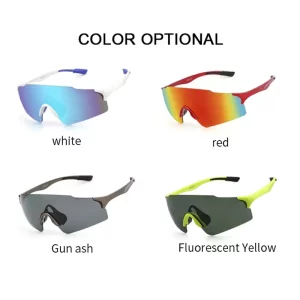 2.1 Lens color and course adaptability
- Brown/Copper lenses: enhance contrast on green surfaces, suitable for most conditions
- Gray lenses: maintain natural color balance, ideal for bright sunlight
- Yellow/Amber lenses: improve brightness in low-light or cloudy conditions
In practice, most golf specific sunglasses use brown or copper-toned lenses due to their balanced performance across varying lighting environments.
2.2 Lens materials and sports performance
Materials used include polycarbonate (PC) and high-index resin.
PC lenses are up to ten times more resistant to impact damage compared to conventional materials and can be recommended for use in sports. Resin materials, being lightweight, do not cause any additional strain on the bridge of the nose.
3. Comfort and Ergonomic Design of golf specific sunglasses
Comfort plays a critical role in maintaining focus during gameplay, so ergonomic design is a key factor in golf specific sunglasses.
3.1 Weight control and stability
For sports sunglasses, the optimal weight range will be from 20g to 35g. Heavy glasses will negatively impact the swing tempo and comfort, while light ones will be more effective in relieving facial pressure and ensuring stability. Rimless and semi-rimless construction is widely used in golf-specific sunglasses to ensure durability and lightness.
3.2 Anti-slip and anti-fog design
Modern golf specific sunglasses often include:
- Rubber nose pads to reduce slippage by around 40%
- Ventilation structures to reduce fogging by up to 60%
These features are especially important in hot or humid playing environments.
4. Application Levels of golf specific sunglasses
Based on performance and usage needs, golf specific sunglasses can be divided into three levels:
4.1 Entry-level
Designed for casual golfers or beginners, offering basic UV protection and comfortable wear.
4.2 Mid-level
Suitable for amateur and intermediate players, focusing on improved contrast enhancement and all-weather adaptability.
4.3 Professional-level
Designed for competitive or high-frequency players, often integrating prescription lenses and advanced optical optimization for maximum performance support.
5. Practical Performance of golf specific sunglasses in real play
On the golf course, golf specific sunglasses are not just protective gear—they are performance-enhancing equipment.
5.1 Improved shot accuracy
Studies show that wearing suitable golf eyewear can reduce shot judgment errors by approximately 15%–25%, especially in long-distance shots.
5.2 Better distance and landing precision
Enhanced visual clarity can reduce landing deviation by about 1–3 yards, significantly improving scoring consistency during competitive play.
6. Key Tips for Choosing golf specific sunglasses
When selecting golf specific sunglasses, focus on the following factors:
- UV400 protection capability
- Contrast enhancement performance
- Adaptability to different weather conditions
- Lightweight design (ideally 20g–35g)
- Anti-slip and anti-fog features
- Prescription compatibility if needed
Conclusion
Overall, choosing the right golf specific sunglasses has a direct impact on golfing performance. From lens technology to frame design, every detail contributes to visual stability and shot accuracy. Different product structures—such as high-definition UV lenses, polarized designs, and lightweight rimless or semi-rimless frames—are all engineered to meet the diverse needs of golfers.
In addition to the comfort factor, high quality golf specific sunglasses will assist in maintaining the performance level regardless of different light conditions and thus make your game better.
Should you need any assistance with choosing, fitting, and adjusting your golf specific sunglasses, please feel free to contact us any time.
.webp)