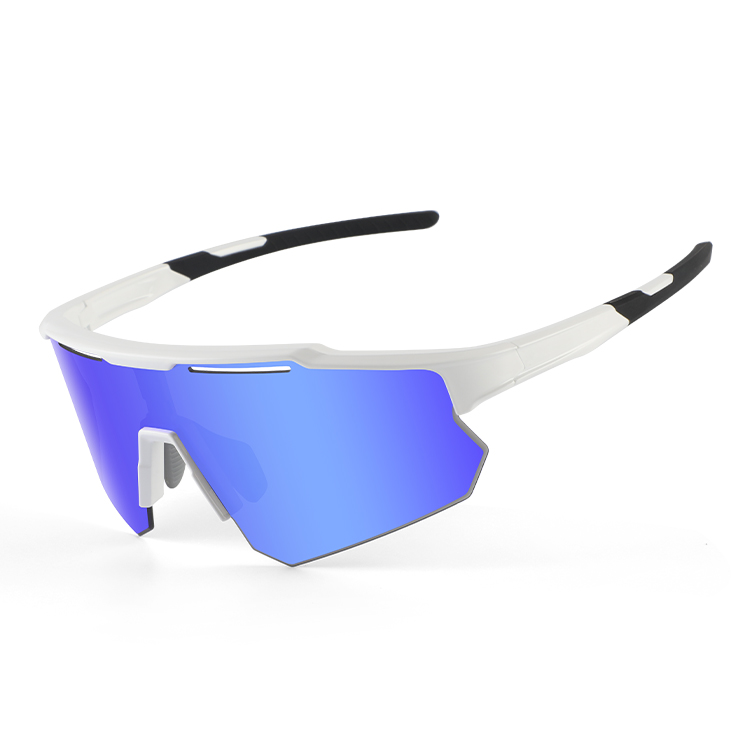
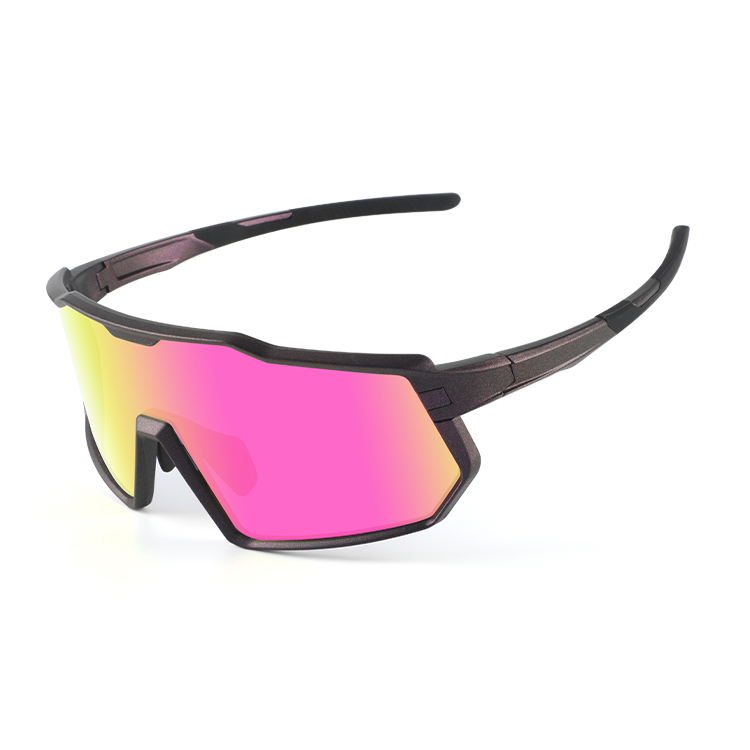
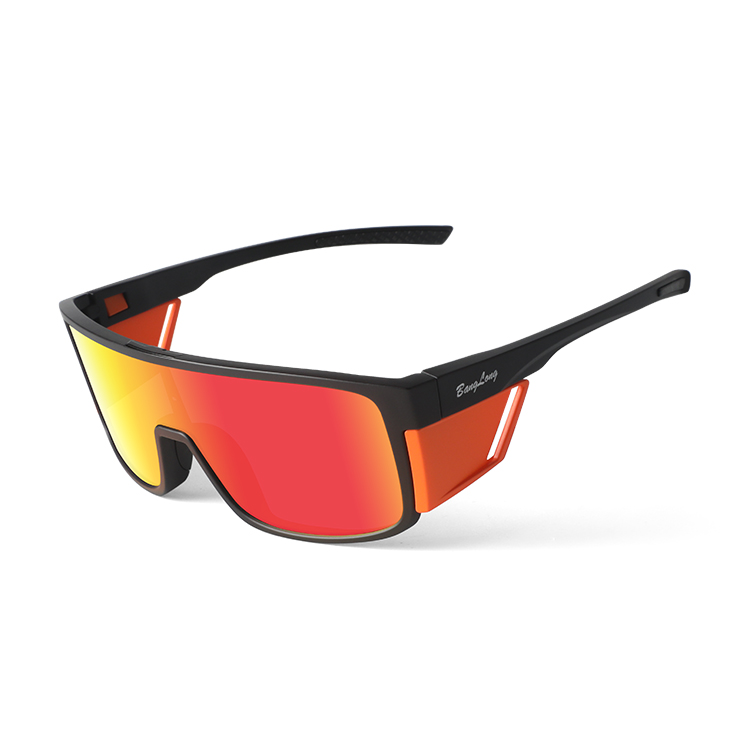
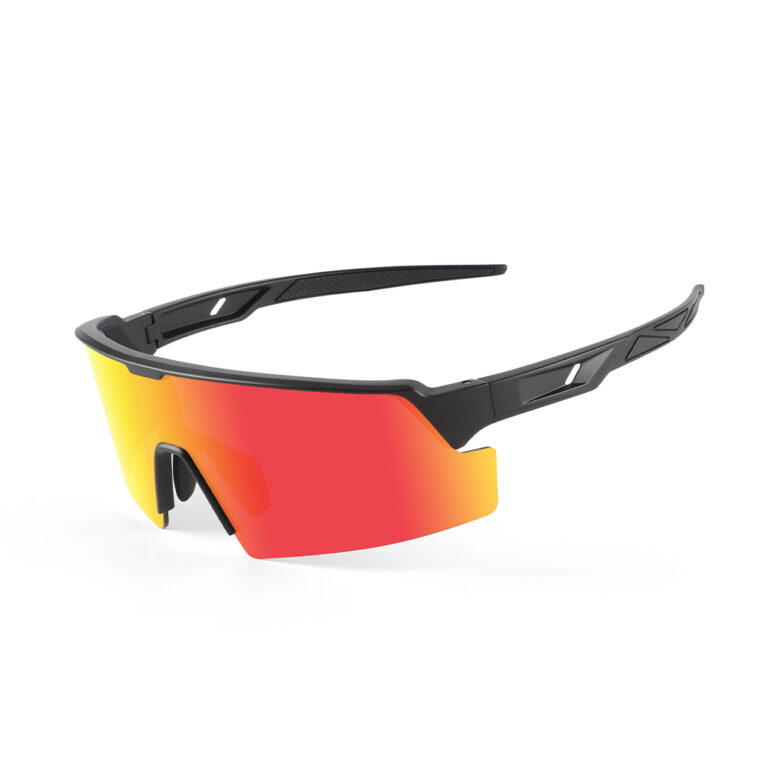
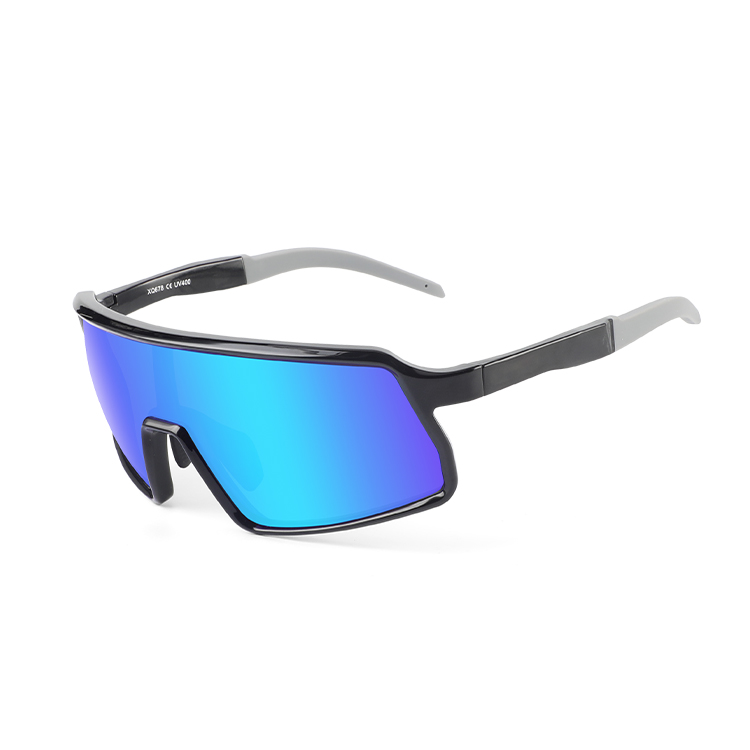
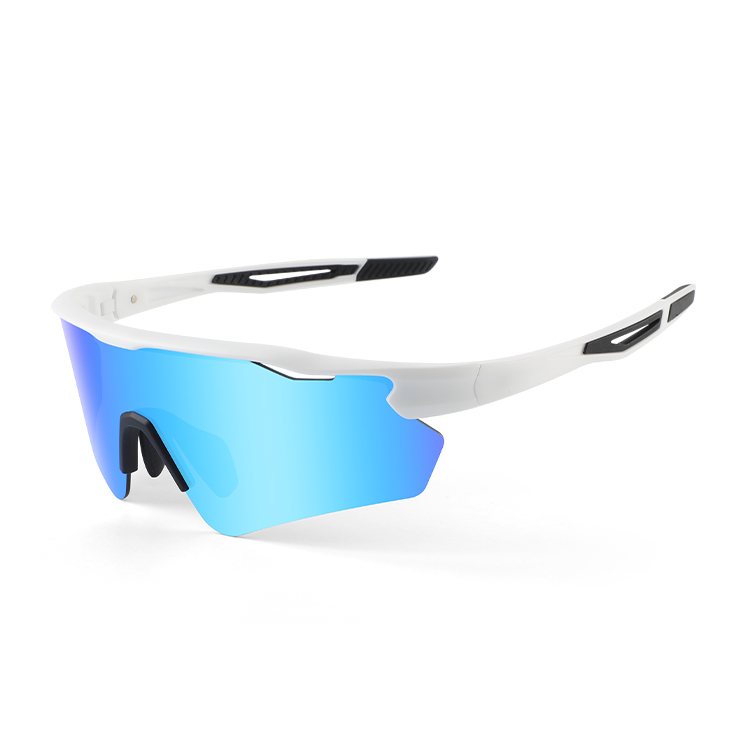
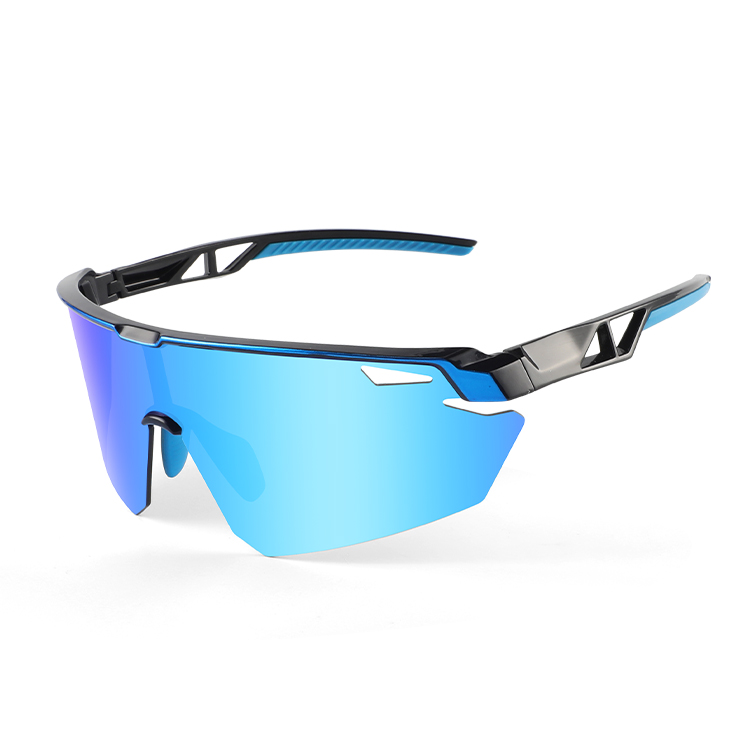
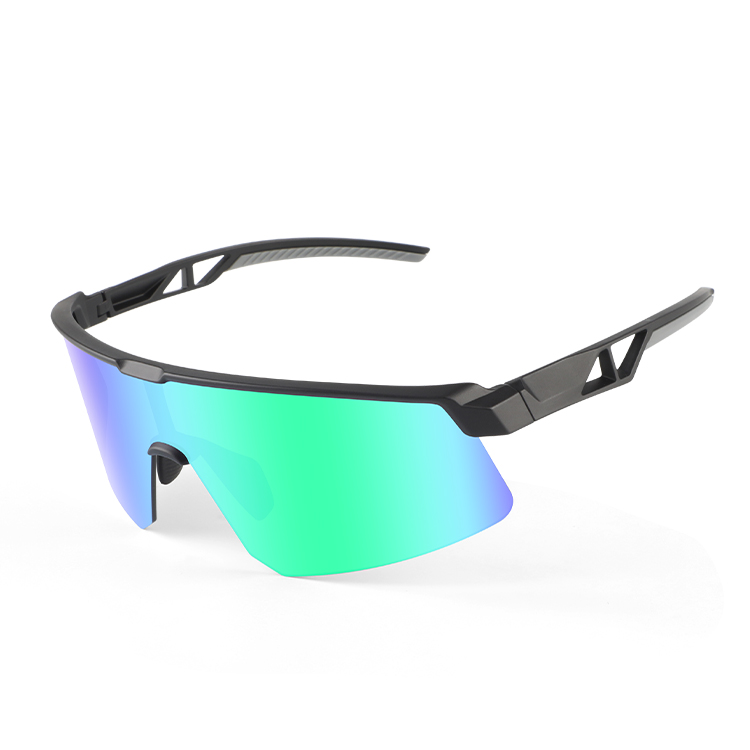
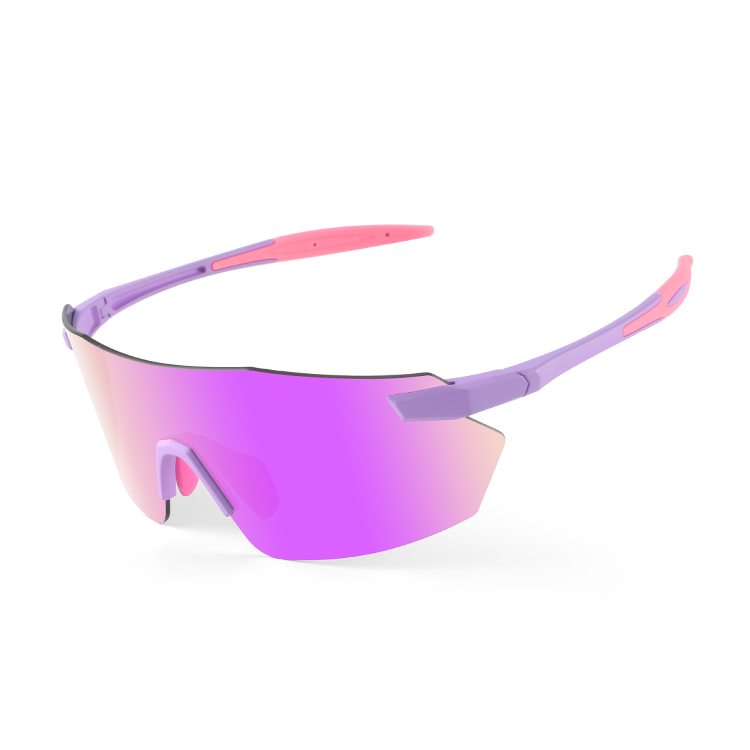
Cyclists with myopia require good vision to be able to see road signs, calculate distances, and react to ever-changing traffic situations. Unlike contact lenses, Myopia Frame Cycling is a good alternative for people who are looking to have good vision while protecting their eyes from wind, dust, and road debris, without any direct eye contact. While contact lenses are known to offer a wide range of vision, cycling glasses could perhaps be more comfortable for daily cycling in open air. But again, it all boils down to personal preference and the situation of cycling.
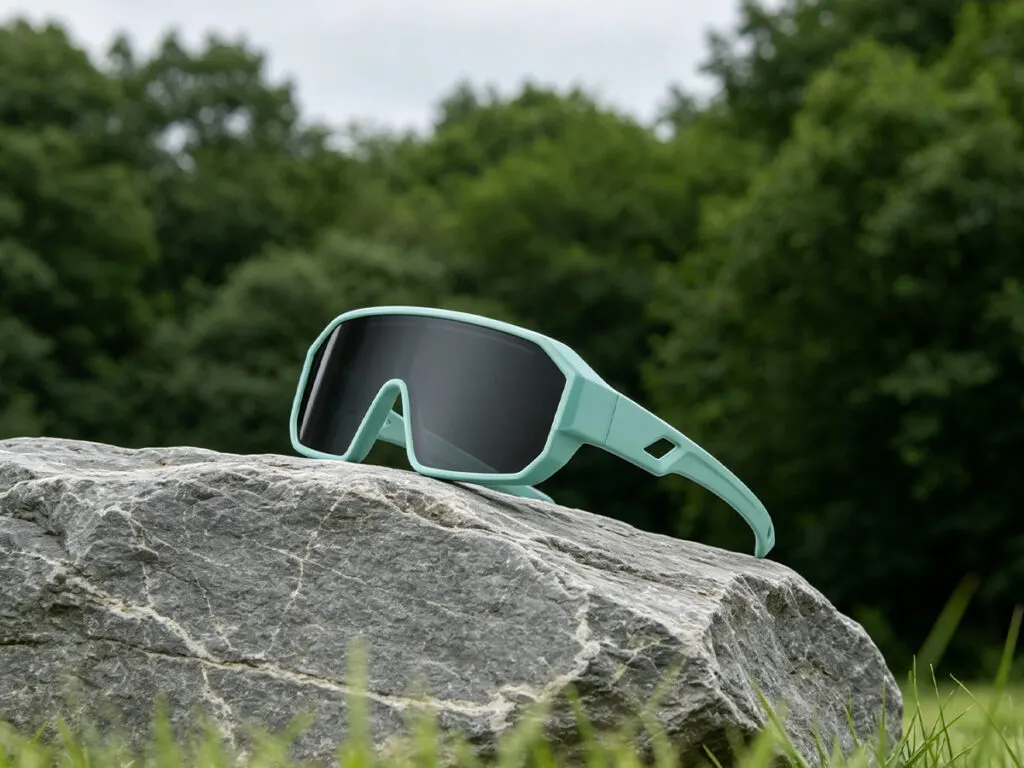
1. Myopia Frame Cycling vs. Contact Lenses: What Are the Differences?
Both types of eyewear can address the problem of being nearsighted, but the method is different and depends on various aspects of the environment and convenience.
Comfort During Short and Long Rides
The absence of pressure caused by nose pads and temples is the reason why contact lenses are the choice for cyclists who do not prefer to wear glasses while cycling, even if they are wearing a helmet. Increased evaporation due to airflow can cause irritation and dryness. The comfort of myopia frames for cycling depends on various factors. Lighter frames with adjustable nose pads may assist in spreading the pressure. When the ride is going to be two hours or more, comfort becomes very significant.
Field of View and Visual Clarity
Contact lenses move with the eyes and generally provide a broad field of view without frame edges. This is useful in situations where one wants to check traffic around the rider on either side. However, there is still the issue of dryness, contamination, or misplacement of the lenses that might cause temporary visual impairment.
Prescription glasses can also help in correcting vision, especially when the lenses are accurately manufactured according to one’s prescription. There is extensive vision coverage, but the high curvature and off-center viewing could create distortion if the lenses were not accurately designed. One needs to ensure that there is vision in both the central and peripheral vision fields before buying the products. A well-designed Myopia Frame Cycling option should provide clear central vision while maintaining comfortable peripheral viewing.
Wind, Dust, Rain, and Changing Weather
The lenses will not protect the eyes from any particles in the environment. The wind, dust, bugs, and road particles may irritate the eyes, especially when cycling on open roads or on dirt paths.
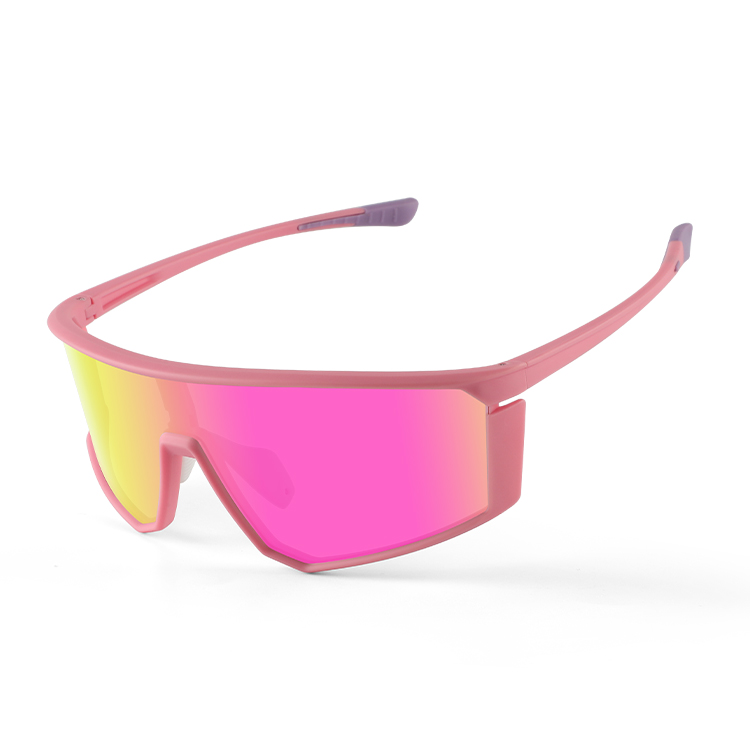
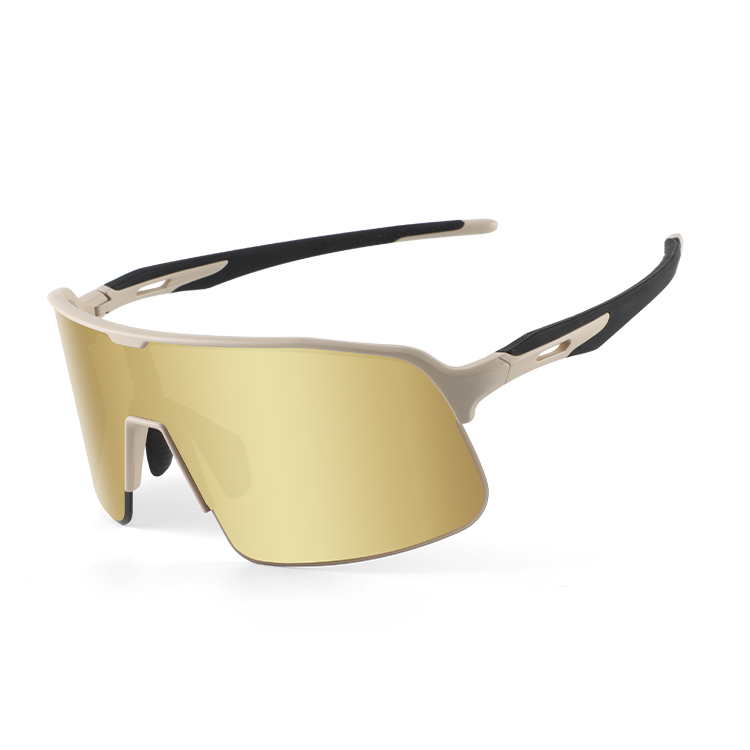
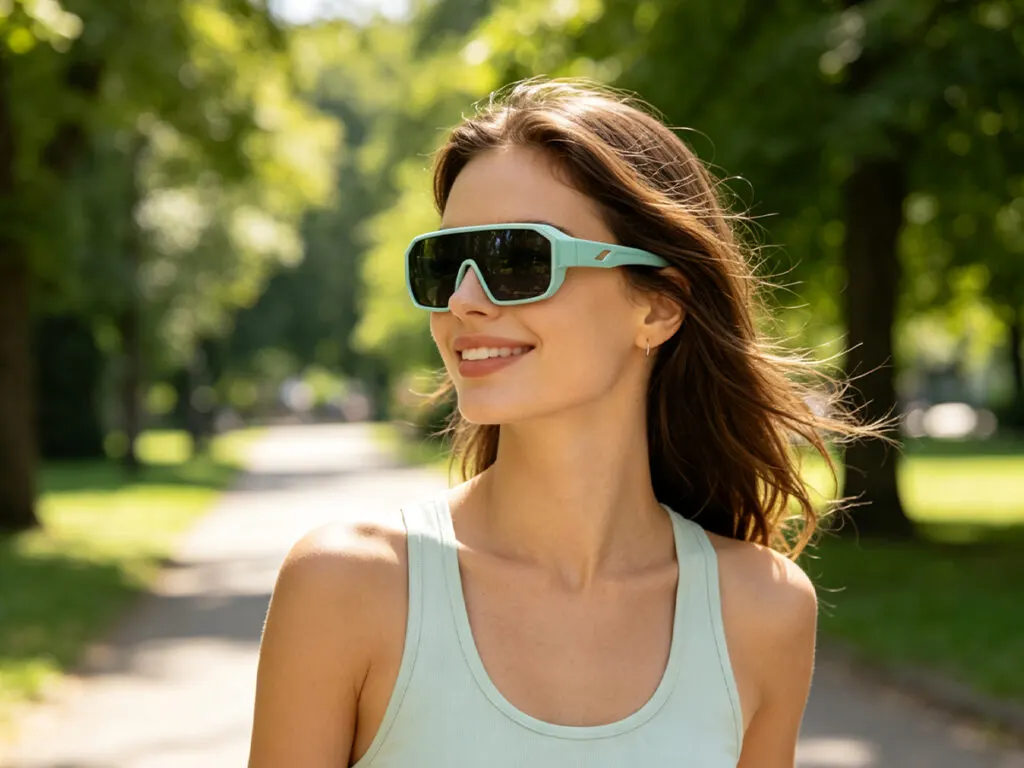
A well-fitting pair of myopia frame cycling glasses provides an extra barrier between the eyes and the environment. The wrap-around lenses may limit direct airflow and prevent dust and bugs from getting into the eyes. Nevertheless, these lenses are not airtight, and heavy rain and moisture might impair vision.
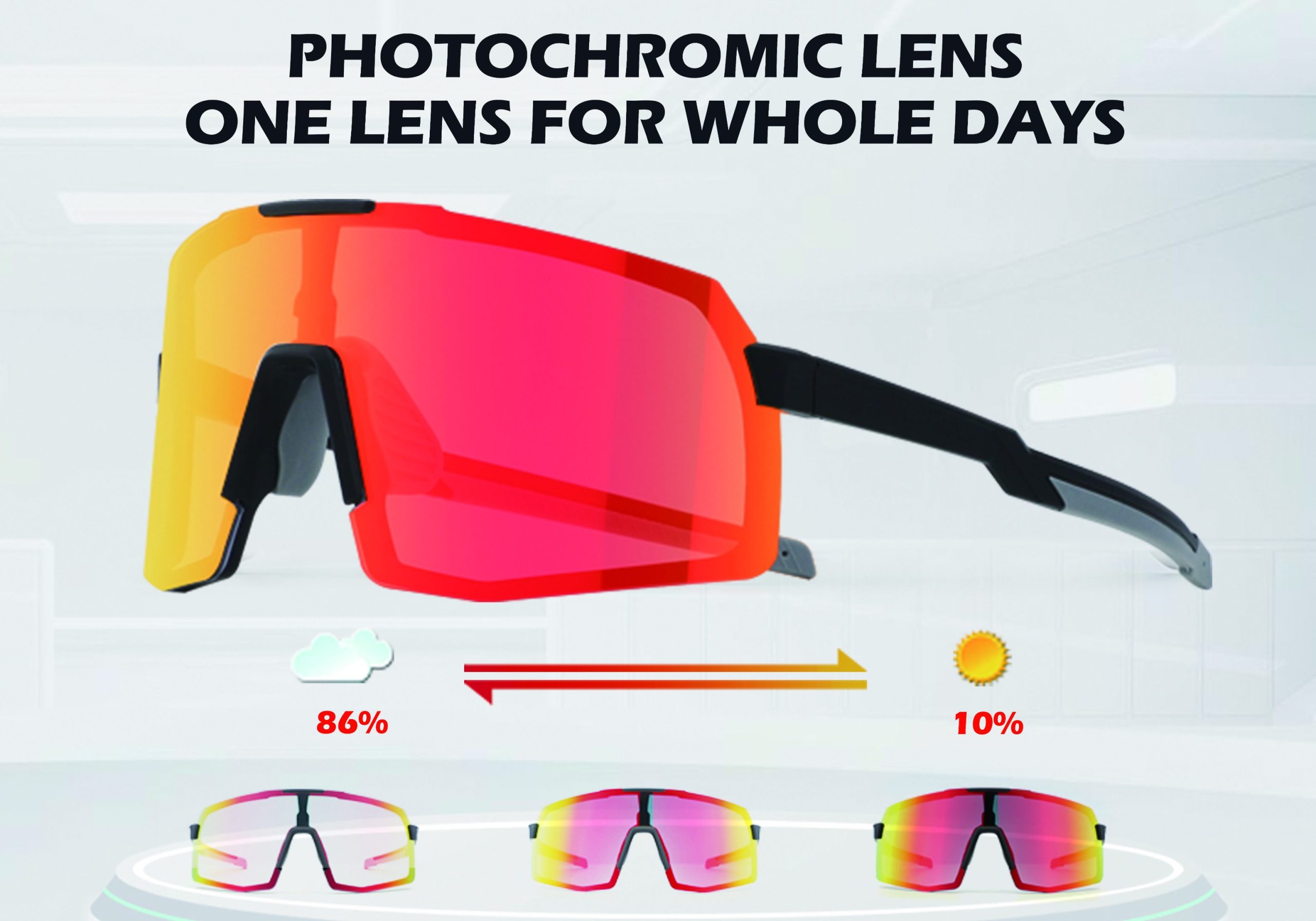
The first option to solve problems regarding lighting would be to use photochromic lenses or lenses that can be changed. Lenses have to be selected that offer protection against harmful rays and provide protection from 99%-100% of UVA/UVB light, which could be referred to as UV400.
Maintenance and Everyday Convenience
The use of contact lenses requires clean hands, proper handling, and an appropriate cleaning or replacement process. The riders should also prepare for dry eyes, the risk of losing the lenses, and having new lenses in case of longer rides.
Myopia Frame Cycling glasses do not need anything to be inserted into the eyes. All they have to do is clean and reuse the lenses. For this purpose, the cyclist has to have a microfiber cloth and a special cleaning solution to wipe off sweat, fingerprints, and road dust. While anti-fog coating and ventilation could be useful, their effectiveness is affected by temperature, humidity, and speed of cycling.
| Comparison factor | Prescription cycling glasses | Contact lenses |
| Eye contact | No direct contact with the eyes | Direct contact with the eyes |
| Peripheral vision | Varies with the lens and frame design | Generally broad, unobstructed vision |
| Wind and dust protection | Provides some physical protection | Provides no external barrier |
| Care requirements | Clean lenses and inspect the frame | Follow lens hygiene and replacement instructions |
| Helmet compatibility | Frame fit must be checked | No frame interference |
2. What Are the Advantages of Myopia Frame Cycling?
For the cyclist who wants glasses rather than contact lenses, Myopia Frame Cycling is an option that combines the prescription lens with eyewear made for outdoor movement. The suitability of this option will depend on the quality of the optical lenses and the frame in action.
No Direct Contact With the Eyes
One of the advantages is that with prescription glasses, it is possible to correct vision without placing a lens on your eye. This might be an interesting option for those who experience contact lens dryness or cannot insert/remove contact lenses.
On the other hand, one will need to keep glasses clean and take care of them. The prescription needs to be checked too, especially in case of any headaches, blurred vision, or trouble judging distances, since accurate correction is necessary for cycling.
Convenient for Daily Rides and Frequent Use
Daily commuters, active exercisers, and even recreational riders should have eyewear that is convenient to use and care for. It can be lightweight, fit well, and be compatible with the cyclist’s helmet. Using convenient eyewear will minimize the time needed to prepare before a ride. Choosing Myopia Frame Cycling eyewear with a secure fit can also help reduce frame movement during regular rides.
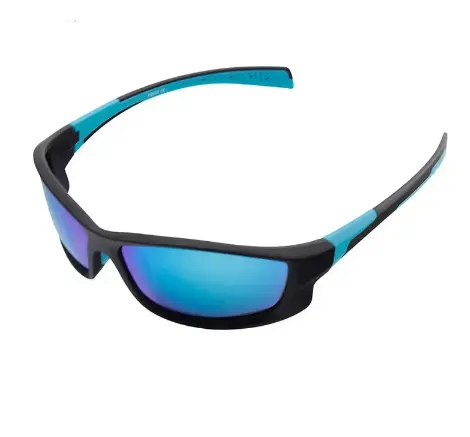
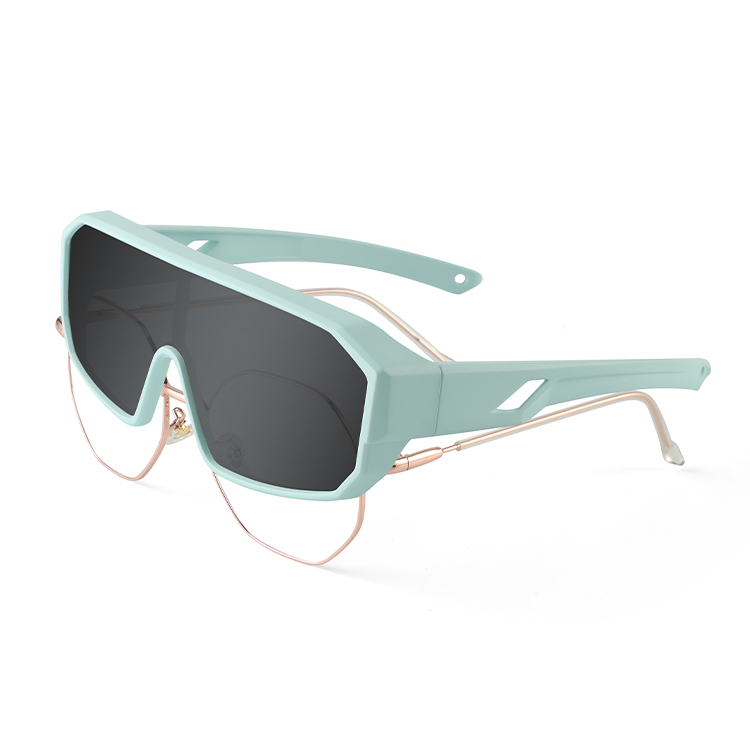
For cyclists who find it inconvenient to switch between regular prescription glasses and prescription sunglasses when riding outdoors, XUNQI GLASSES FACTORY fit-over sports sunglasses are a practical choice. Designed to fit over existing prescription glasses, they feature a lightweight frame and UV400 protection for cycling, fishing, and other outdoor activities. This design lets riders keep their usual corrective eyewear while adding sun protection without needing a separate pair of prescription sunglasses.
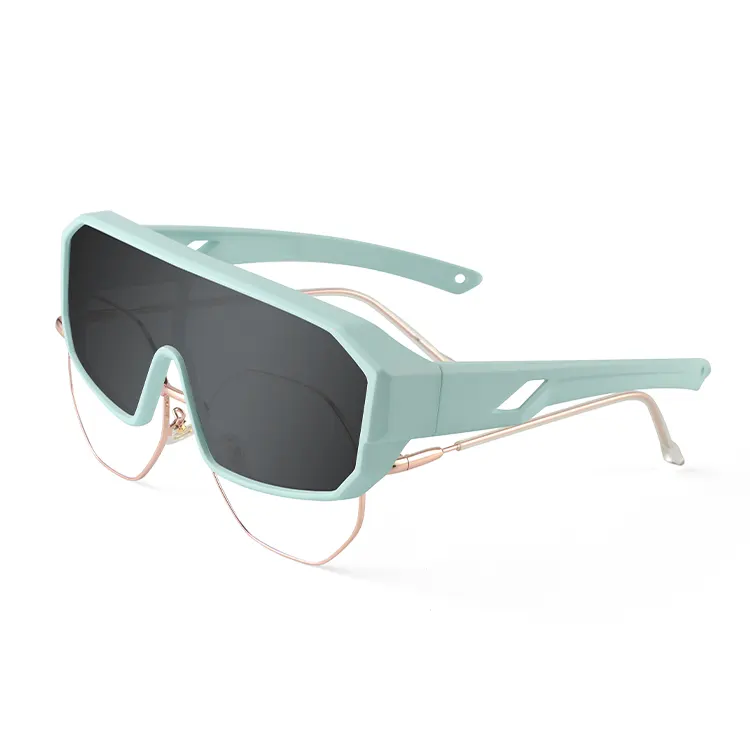
Prescription Cycling Glasses and Frame Options
The cyclist’s prescription lenses can come in different varieties, and it all depends on the level of prescription, the size of the field of view, and the environment in which the rider will be moving.
- Direct prescription lenses: Applicable when the frame and lens are suitable for the rider’s prescription.
- Prescription insert systems:Include the prescription insert placed behind the outer cycling lens. The insert system provides flexibility but needs enough space for proper fitting.
- Wraparound prescription: Offers more coverage but requires assessment of the optical distortion in the lens.
- Photochromic: Changes the tint based on the amount of light to help in transitioning from bright to dark environments.
For stronger prescriptions, consult an optical expert on the suitability of the chosen frame shape and lens curvature. Lens thickness, optical alignment, and peripheral distortion can impact the wearer’s comfort and visual performance. An appropriate Myopia Frame Cycling combination will take into consideration the individual’s prescription, frame compatibility, and usual riding environment.
3. Conclusion
Generally, myopia frame cycling glasses are the ideal choice for cyclists concerned with eye protection, convenience, and comfort while riding outdoors. Glasses can correct one’s vision and offer protection from the wind and dust, as well as road debris, without requiring direct contact with the eye. However, contact lenses would be the best fit for those seeking unrestricted vision.
It is important to assess your prescription strength, how often you ride, your helmet style, and weather conditions before you make a choice. For more information about cycling glasses and customized frames, feel free to contact us at XUNQI GLASSES FACTORY.