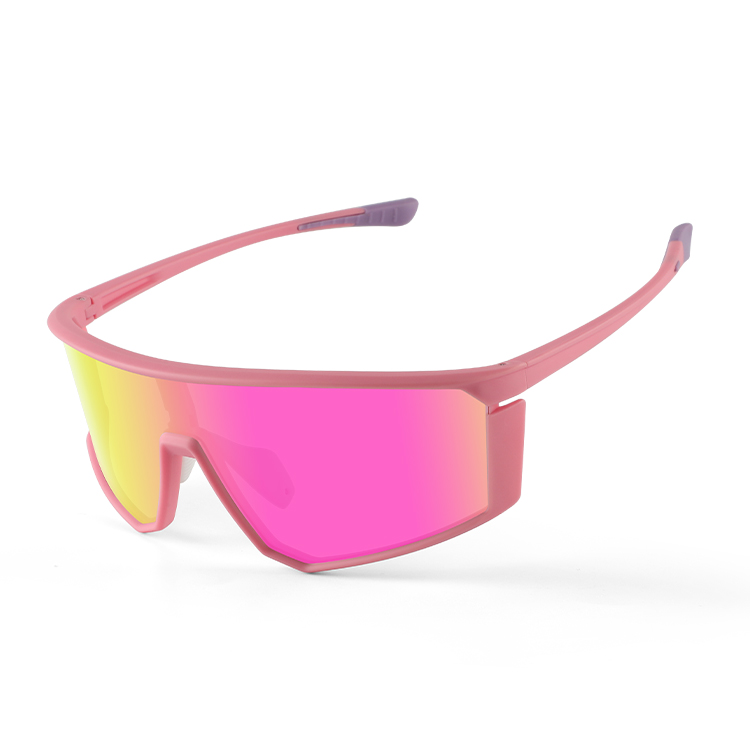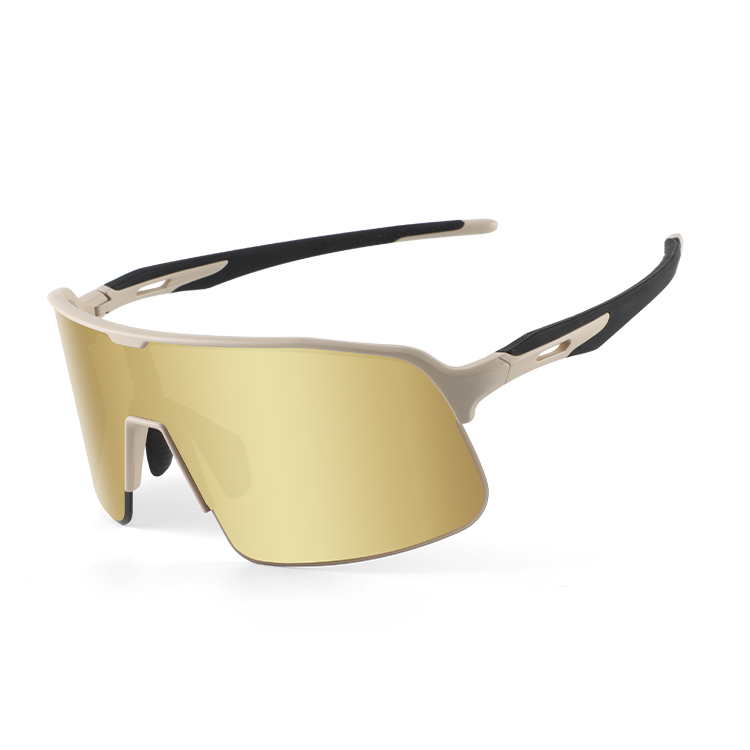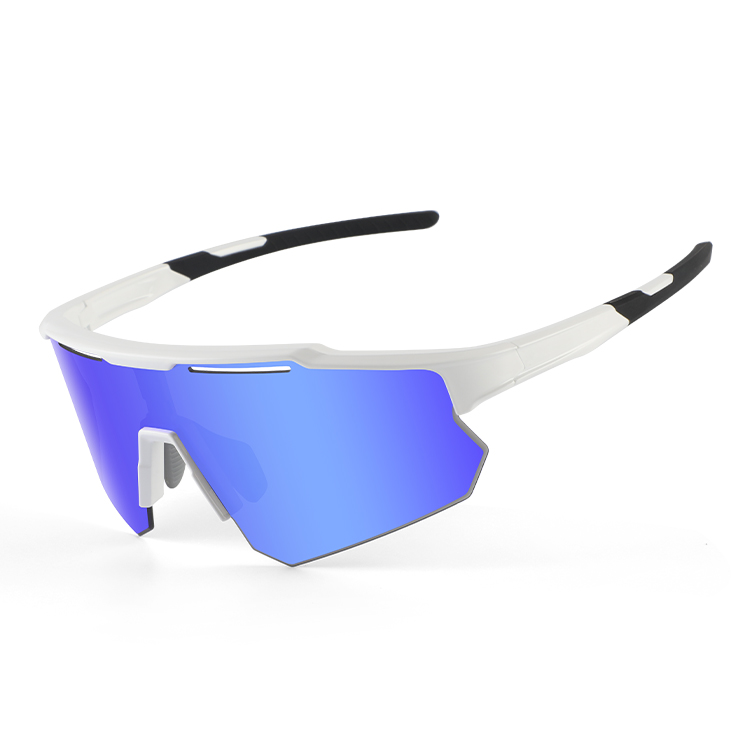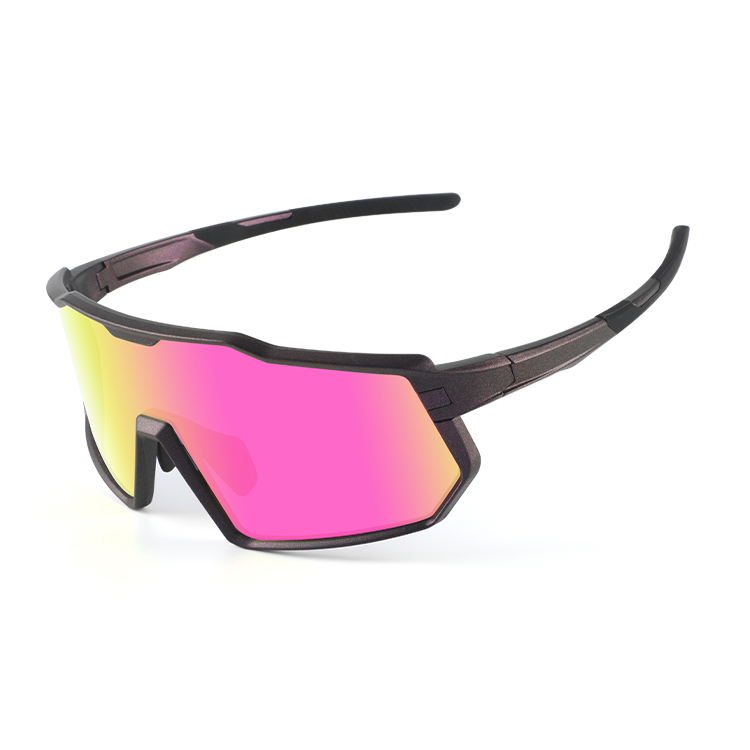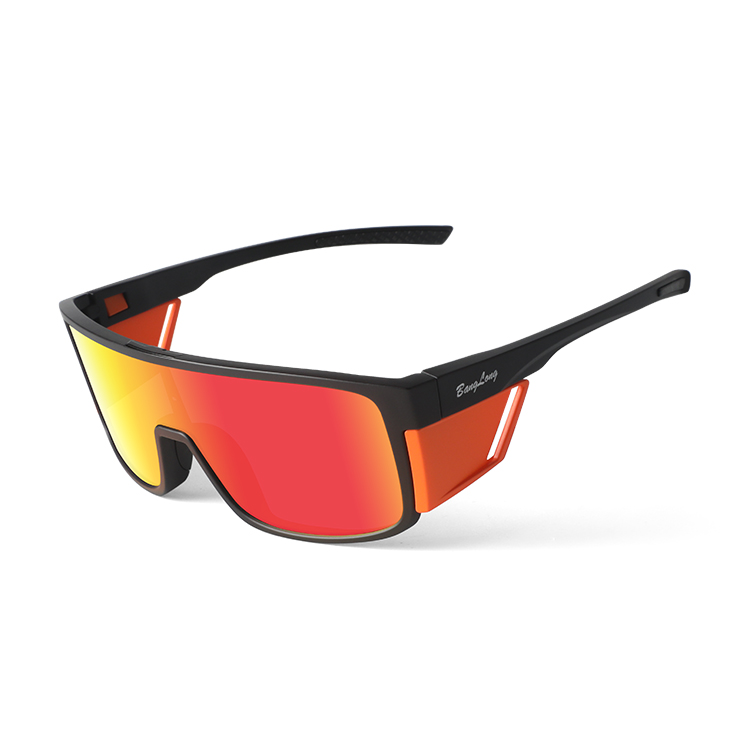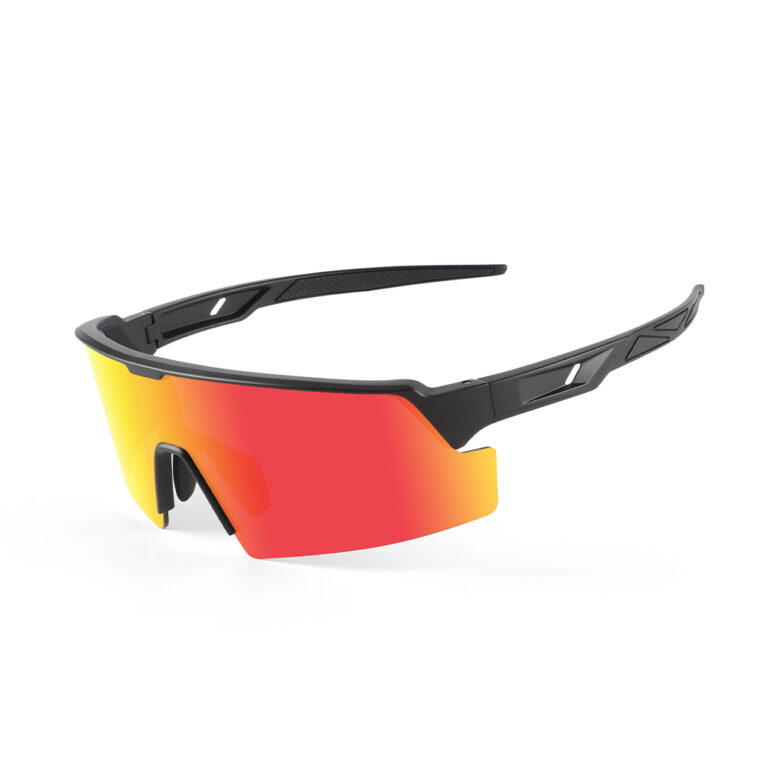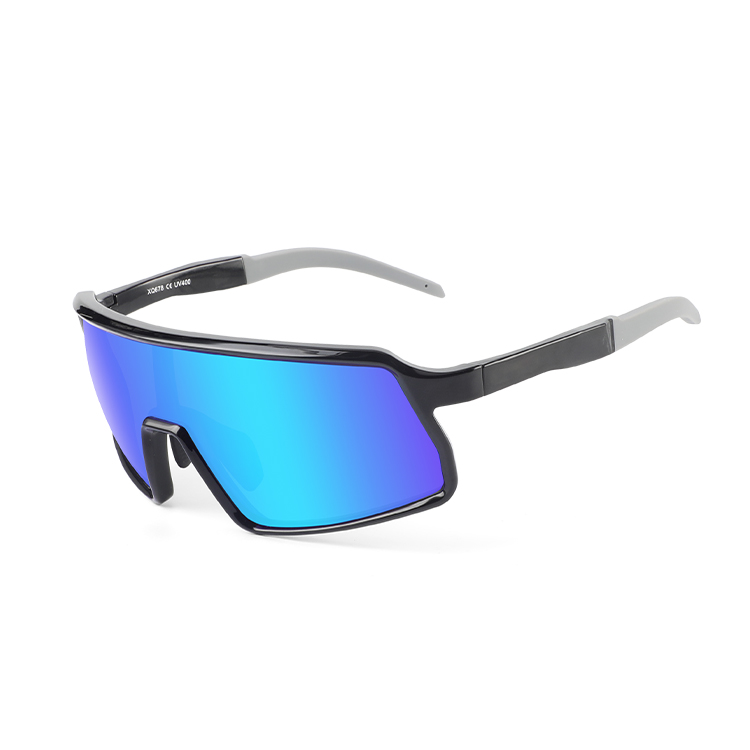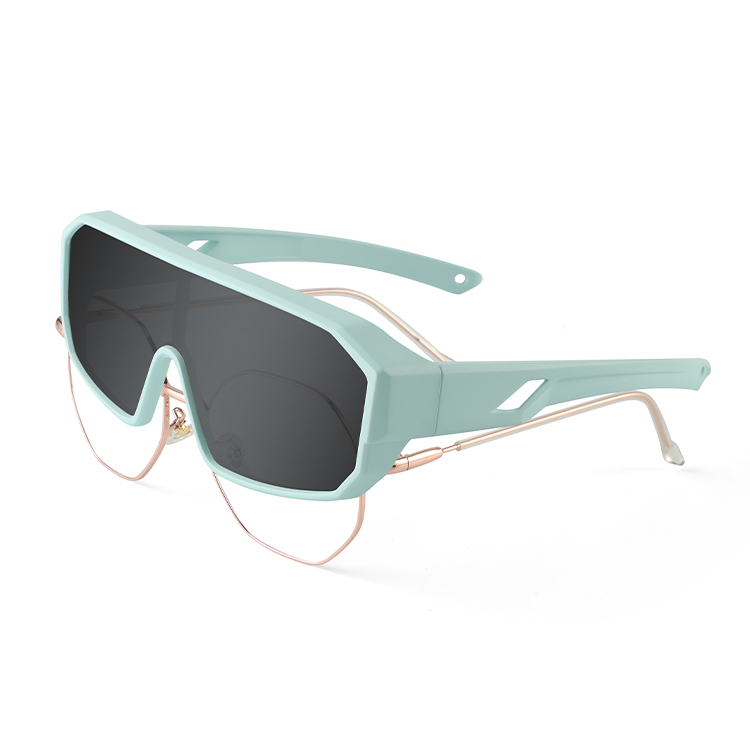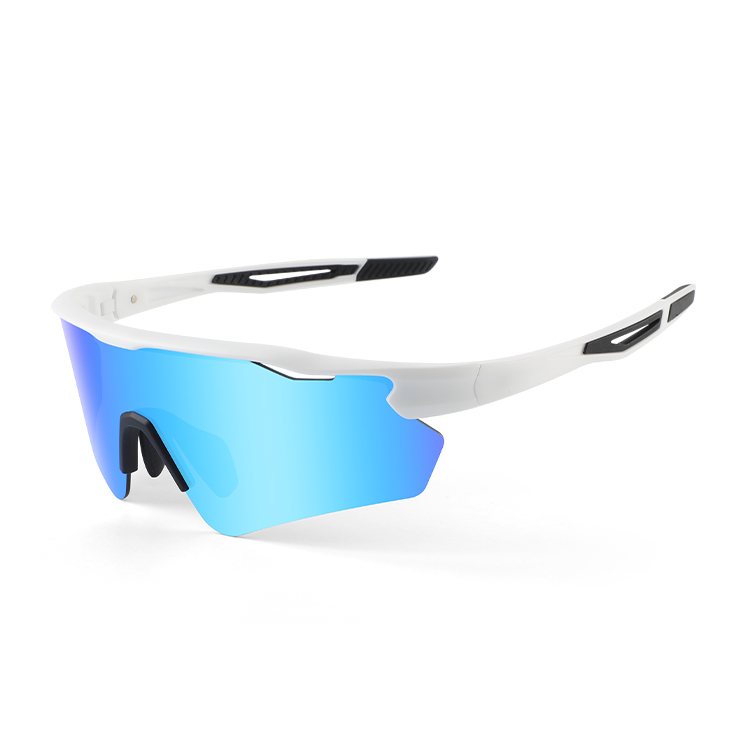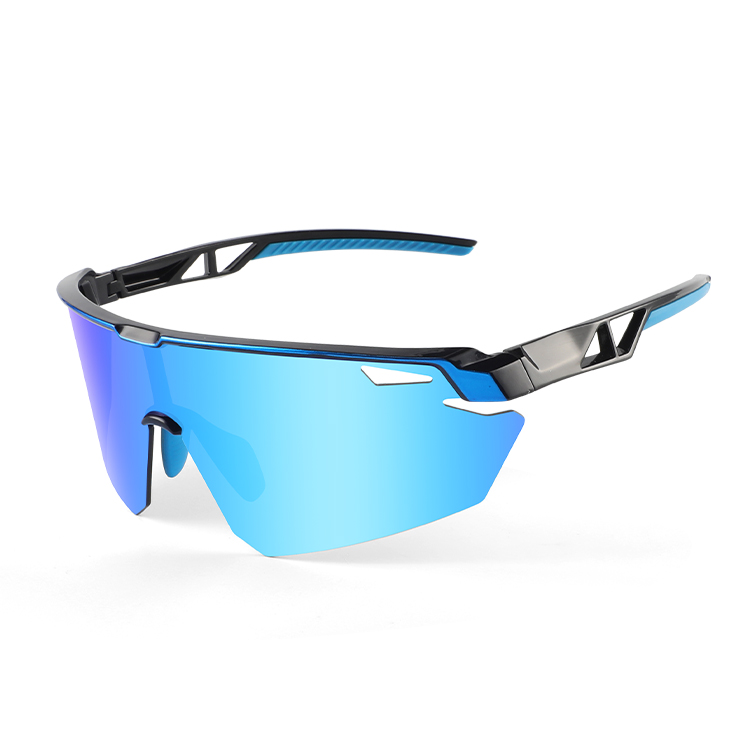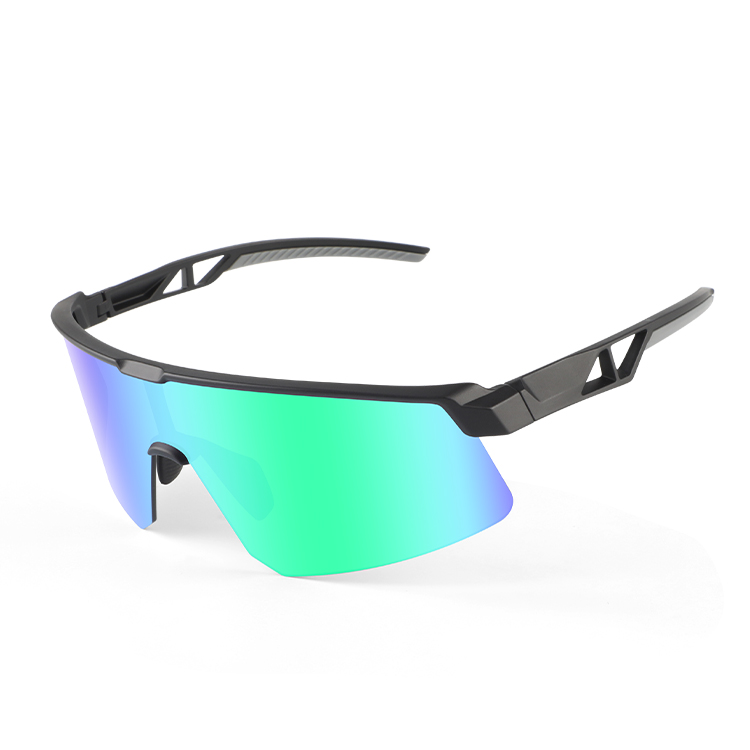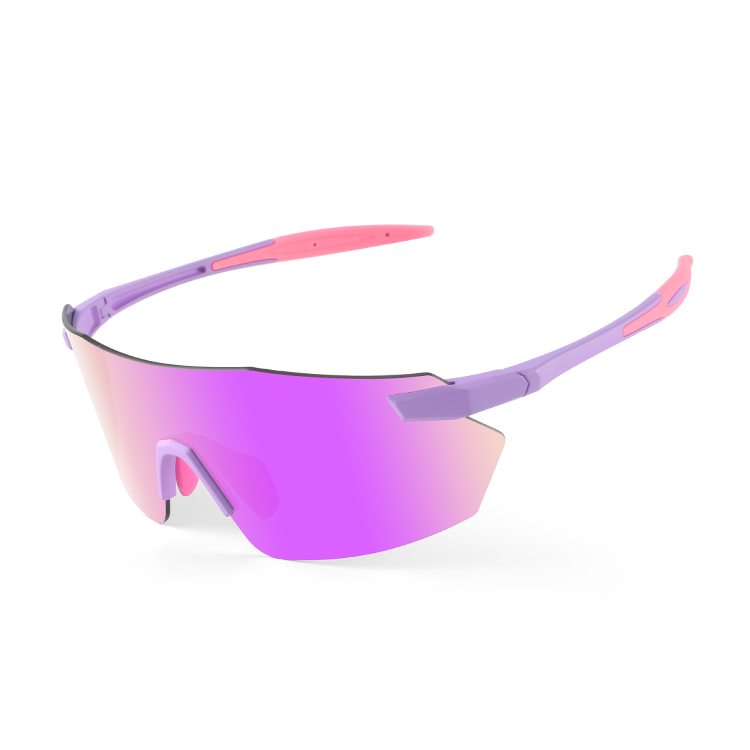












A frequent problem for cyclists is fogging lenses when they are going through steep ascents, shaded areas, and descents. Poor visibility makes it hard to notice rocks, roots, and other trail obstacles. MTB bike glasses can fog from temperature variations, moisture build-up, and insufficient ventilation of the lenses. Choosing the right type of lenses, proper ventilation, and cleaning lenses regularly will help avoid fogging.
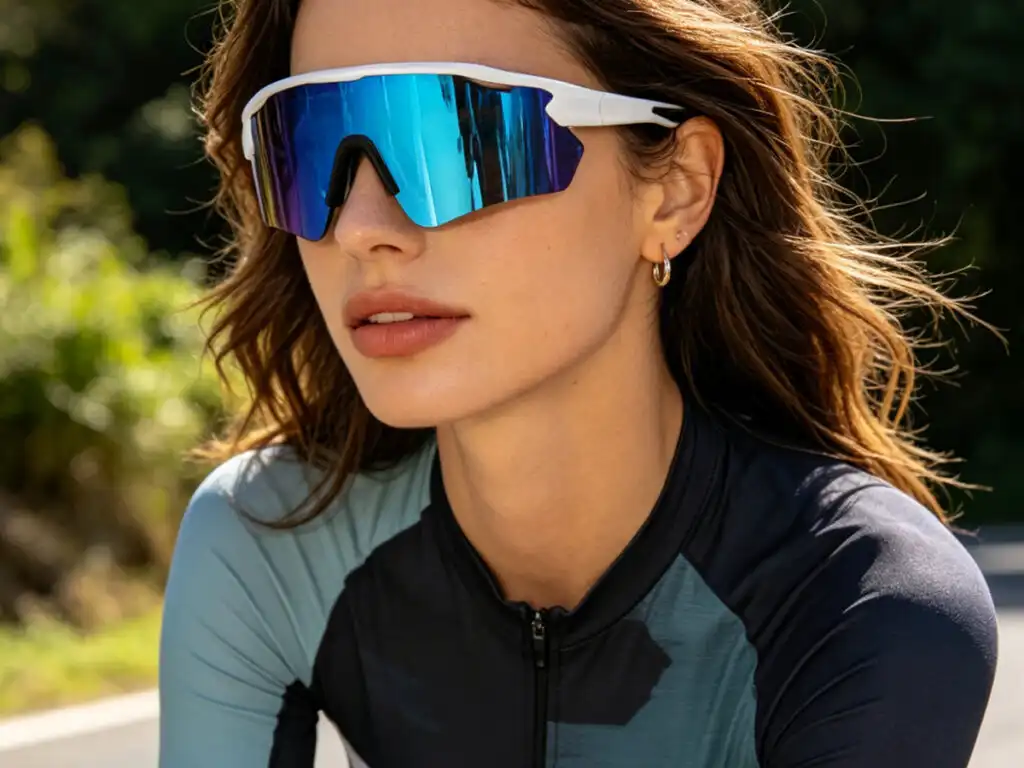
1. Why Do MTB Bike Glasses Fog Up During Mountain Biking?
The first step in eliminating condensation is to learn about its cause. Various conditions during riding lead to the accumulation of moisture, and knowing where it comes from will help riders find the best possible solution to their problem.
The Effect of Air Temperature on Lens Surfaces
When there is a presence of hot and humid air that meets a cold lens surface, condensation occurs. Condensation starts where the temperature of the lens is lower than the dew point temperature of the air.
This is usually experienced by cyclists in the early morning hours, during winter cycling, or when moving from warm open trails to cool forests. For instance, when the temperatures outside are about 10°C, but the temperatures around a cyclist’s face are high, there is a high chance of condensation occurring.
Sweat and Moisture Accumulation Around the Face
Riding mountain bikes entails numerous spurts of physical activity, especially during tough climbs and riding on technical terrain. During physical exercise, one sweats more, and breathing produces warm, humid air.
Part of this vapor is collected in the nasal area, cheekbones, and forehead before the lenses. If a person wears tight helmets or masks on the face, some of the vapor might remain around the eyeglasses. This explains why MTB bike glasses fog up despite constant temperatures outside.
Poor Ventilation and Airflow Restrictions
Airflow allows for the removal of moisture in the area between the face and the lenses. However, eyewear that lacks ventilation might trap moisture, especially while climbing slowly. There are several design elements that could limit ventilation:
- Small or poorly positioned ventilation openings.
- Frames that sit too close to the face.
- Helmet padding that blocks airflow around the upper frame.
- Excessive coverage that limits air exchange.
At low riding speeds, these problems become more noticeable because less external air passes across the lens surface.
2. How to Prevent MTB Bike Glasses from Fogging Up?
Condensation is avoided through proper lens technology, good ventilation, proper maintenance, and proper fit. Below are ways that riders can improve their vision in varied conditions along trails.
Choose Lenses with Anti-Fog Coatings
Anti-fog coatings are created to minimize the effects of condensation on visibility. Many coatings rely on the hydrophilic nature of the coating material, which enables moisture to form a uniform film rather than lots of small droplets that scatter the light.
When choosing MTB bike glasses, one needs to find out from the manufacturer whether the glasses have an anti-fog coating and whether any maintenance is needed. Anti-fog coatings do not prevent lenses from becoming foggy but may be an extra measure for some cyclists.
Look for Ventilation Slots and Airflow Design
Ventilation helps prevent moisture buildup inside MTB bike glasses. Properly positioned holes help expel humid air while introducing cooler air from behind the lenses. When purchasing eye protection, ensure that your chosen eye protection has adequate ventilation holes on top and sides, and sufficient spacing from the frame.
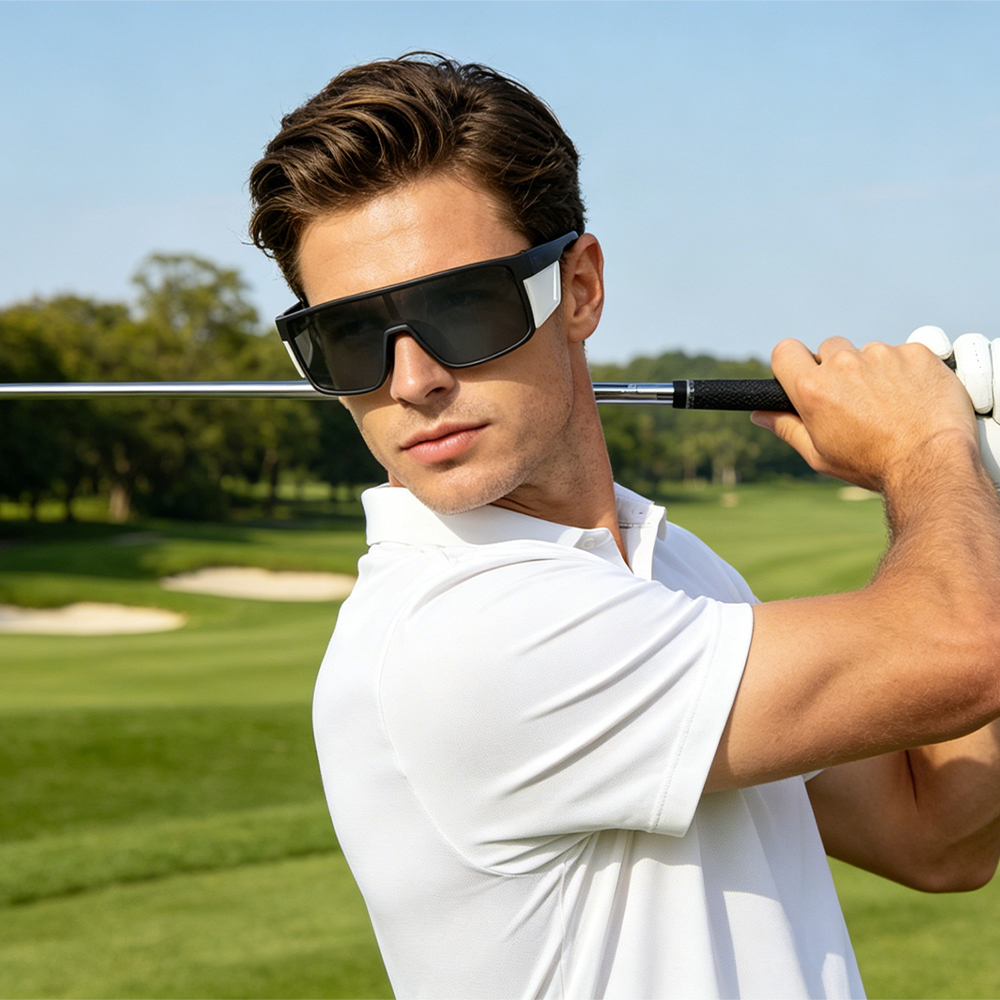
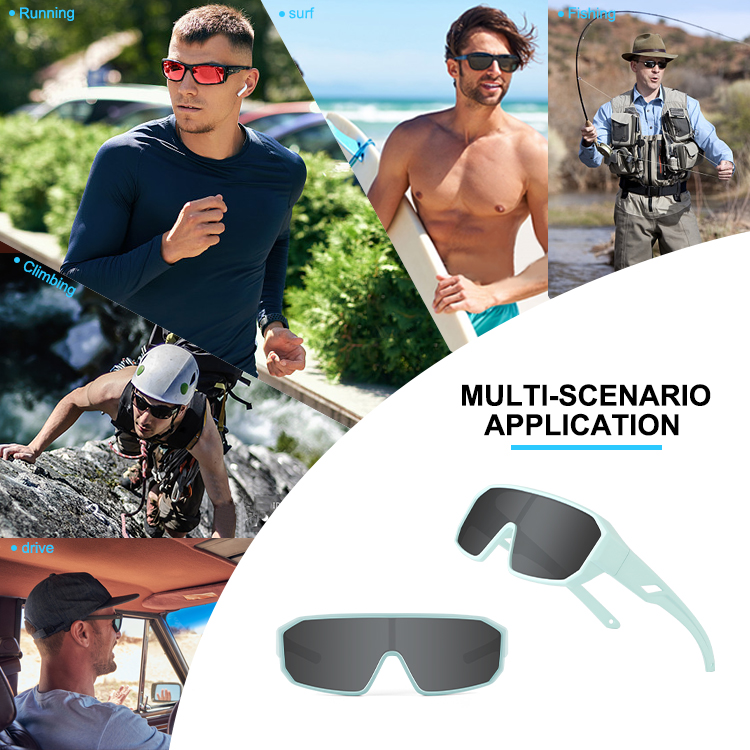
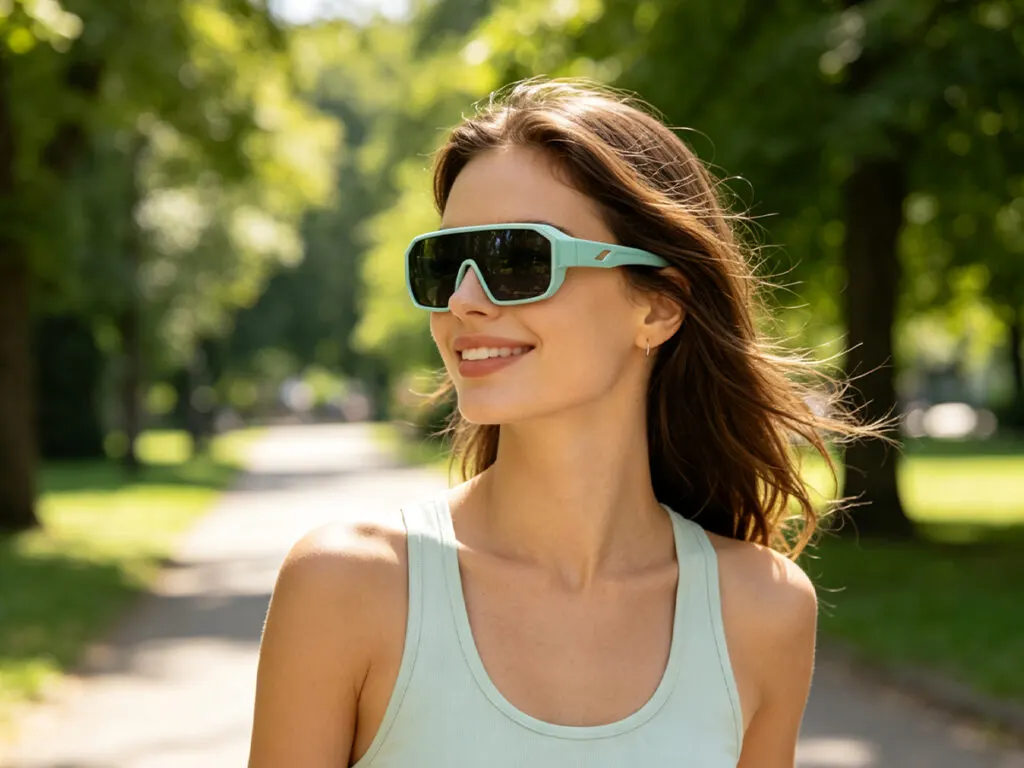
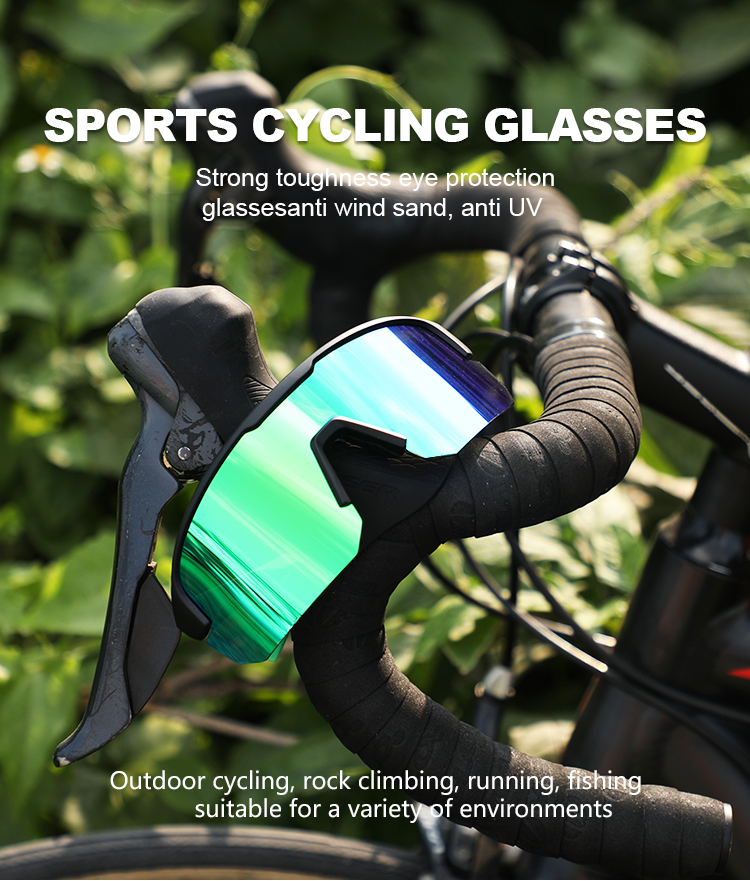
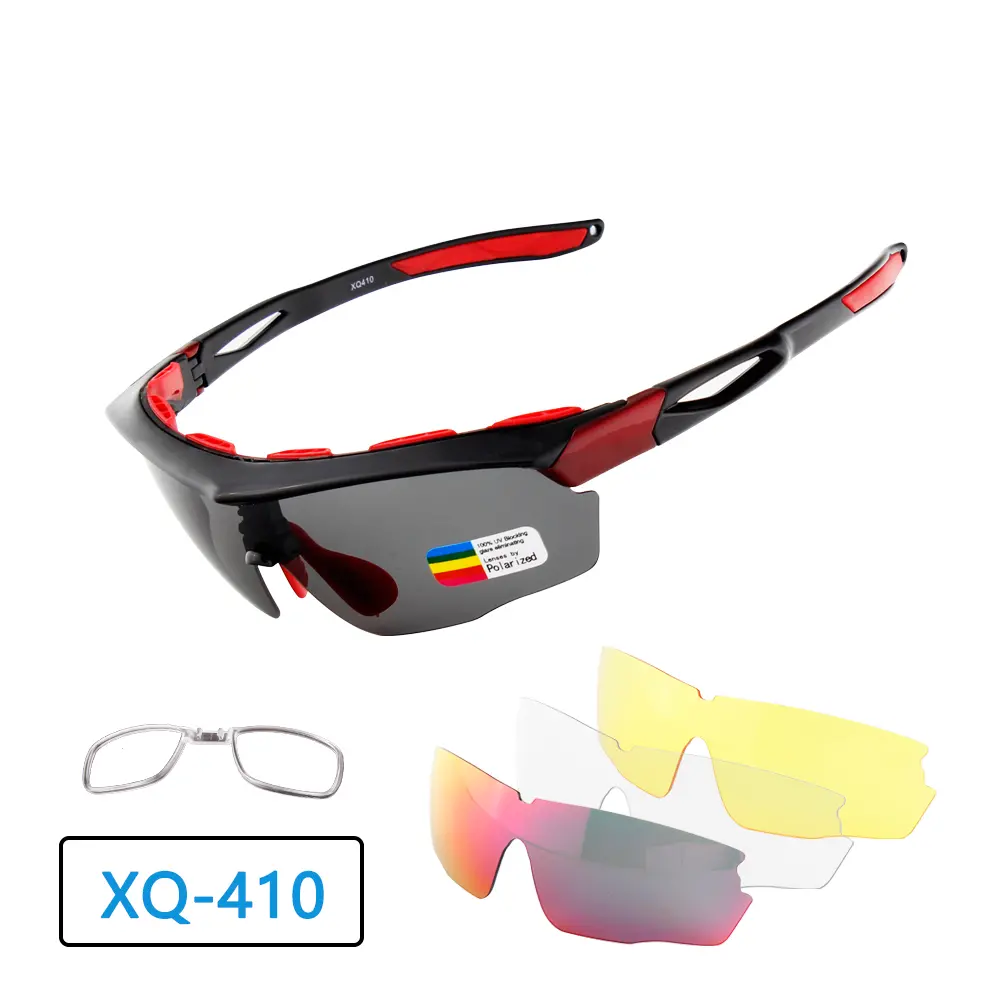
However, riders climbing steep trails at low speeds may still experience fogging due to limited airflow and accumulated sweat. XUNQI’s HD Night Vision Polarized Sports Cycling Sunglasses are a good choice. Their air-refresh temple design supports airflow, while adjustable non-slip nose pads provide a stable fit during rides. A good pair of MTB bike glasses should balance ventilation with protection against dust, insects, and flying debris.
Keep the Lenses Clean and Dry
Dirt, perspiration, suntan lotion, and even oil from the skin are some of the things that could collect on lenses. This could interfere with the ability of anti-fogging treatment to function.
Follow these steps after riding:
- Rinse the lenses with clean, lukewarm water to remove loose dust and particles.
- Apply a lens-compatible cleaning solution if necessary.
- Gently dry the surface using a clean microfiber cloth.
- Allow the glasses to air-dry completely before storing them.
Avoid using towels, clothes, or paper towels since they might cause micro-scratches on the glass. Clean lenses will allow one to easily determine whether the lens is fogging due to condensation or contamination.
Adjust the Fit to Improve Air Circulation
A frame that is too tight on the face might block the passage of air as well as trap moisture behind the lenses. However, if the frame is too loose, dust particles may enter through the gaps. The correct positioning of the glasses will help keep a small ventilation area without sacrificing safety.
Riders should pay attention to three areas:
- Nose bridge: The glasses should sit securely without pressing tightly against the skin.
- Temple arms:They should maintain stability without creating excessive pressure.
- Upper frame: It should not be completely blocked by the helmet or forehead.
When testing MTB bike glasses, wear them with the helmet and cycling clothing normally used on the trail. This helps identify potential airflow restrictions before riding.
Use Compatible Anti-Fog Cleaning Products
Anti-fog sprays and cleaning solutions will of course provide an extra degree of support in a humid environment. The caveat being that not every product will be compatible with every lens material or surface treatment. Always check the manufacturer’s instructions before applying any solution to your MTB bike glasses.
| Product Type | Main Function | Important Consideration |
| Anti-fog spray | Helps reduce condensation buildup | Check coating compatibility |
| Lens cleaning solution | Removes oils and surface dirt | Avoid harsh chemicals |
| Microfiber cloth | Removes moisture and fingerprints | Keep the cloth clean |
| Clean water | Removes loose dust and particles | Use lukewarm rather than hot water |
Don’t use household detergents, alcohol based cleaners or any of the abrasive chemicals unless the manufacturer specifically says you can. Those can damage the lens coatings and the frame materials. For the regular rider, a small microfibre cloth and a suitable cleaner will go a long way towards making on-trail cleaning a bit easier.
3. Conclusion
Fogging in MTB bike glasses usually comes from temperature differences, sweat, and lack of airflow. The best way to combat condensation is to use well-ventilated glasses, keep the lenses clean, ensure a good fit, and use the right anti-fog product. It’s about the simple things to clear the fog and maintain clear vision. If you’d like more info on anti-fog lens solutions or custom glasses, just contact XUNQI GLASSES FACTORY.