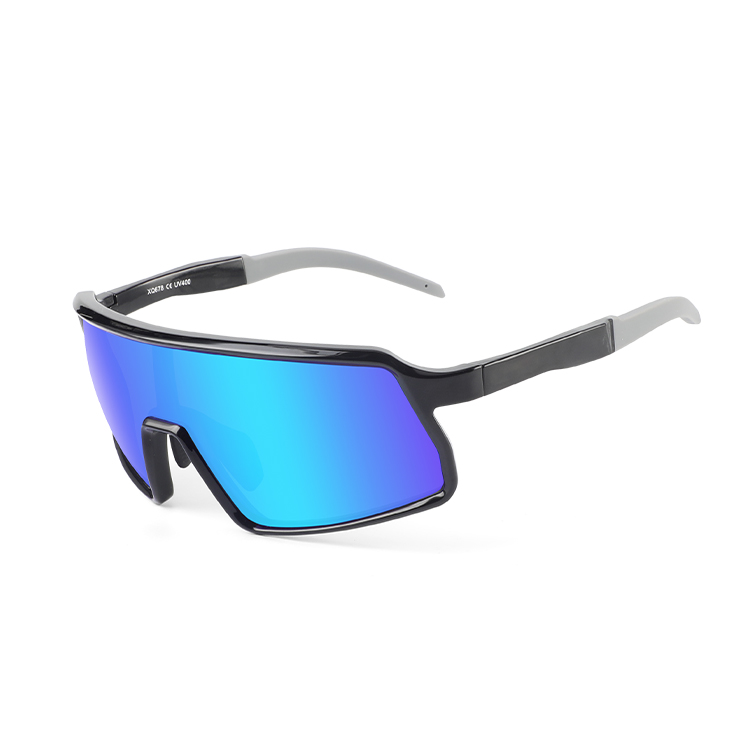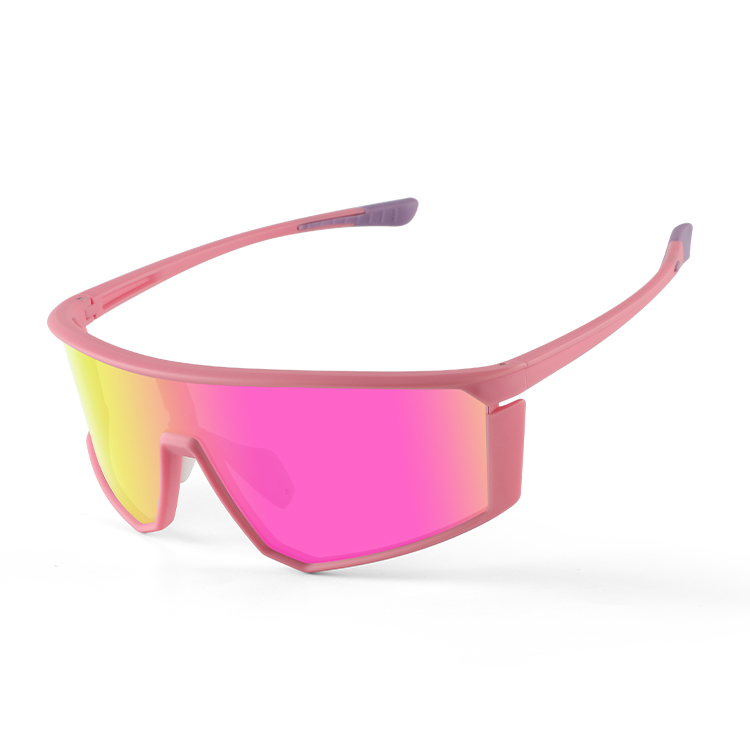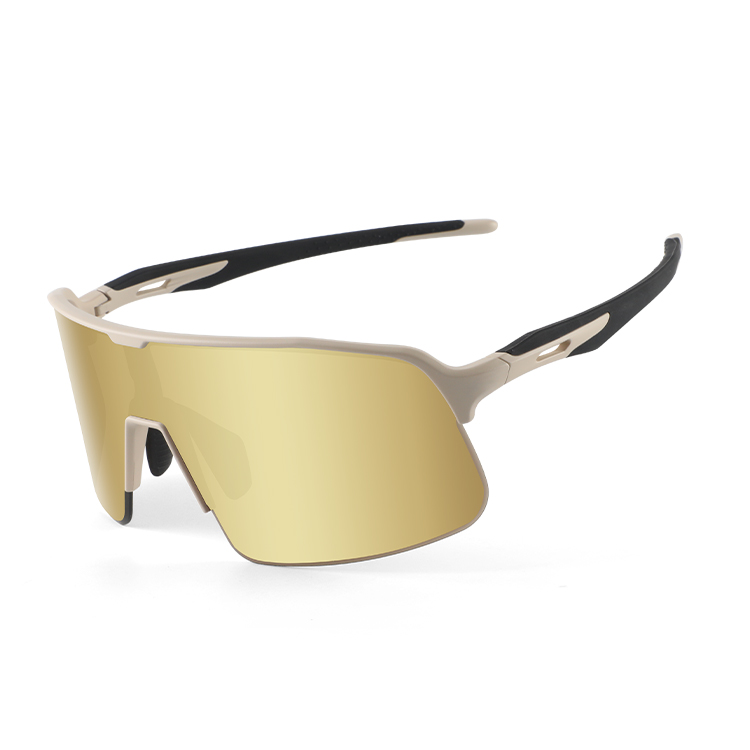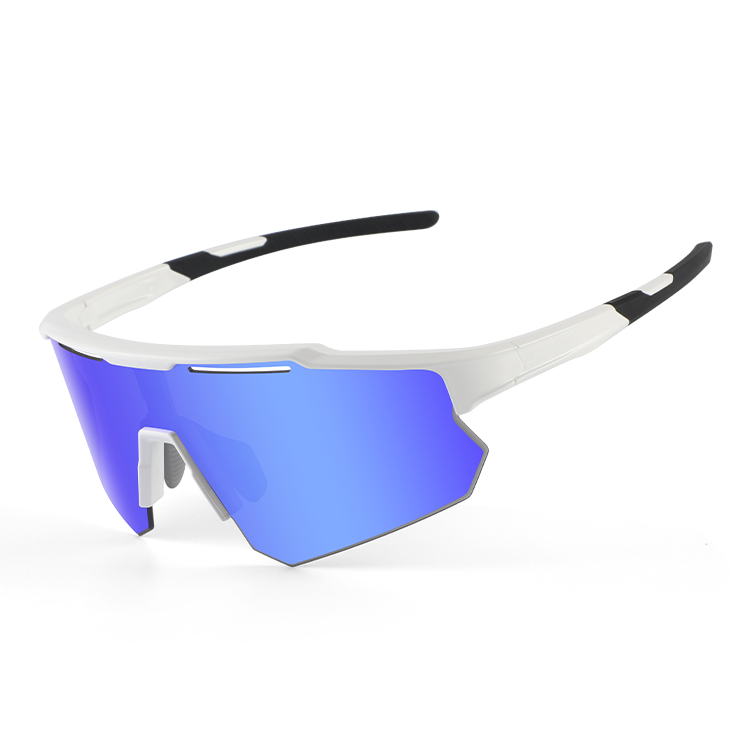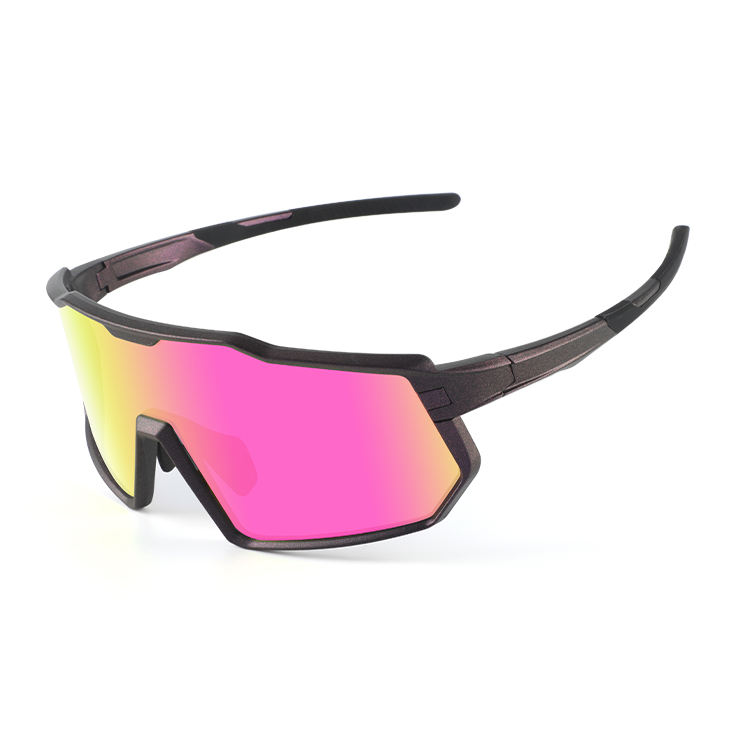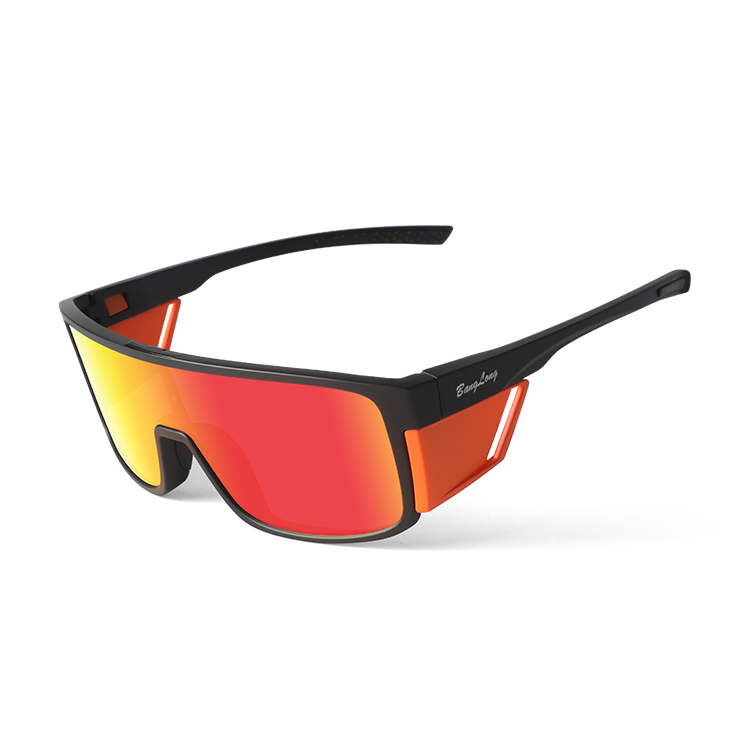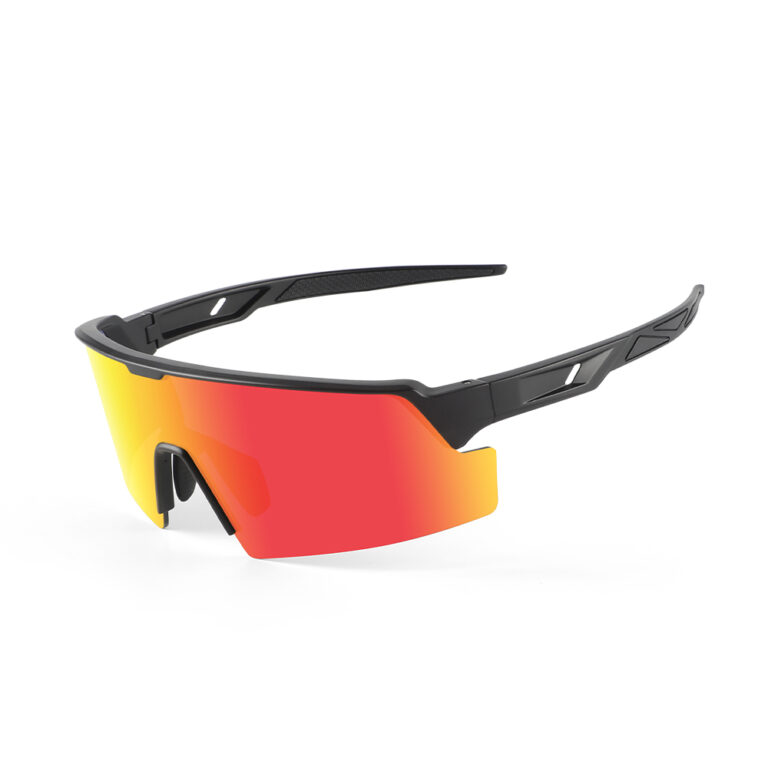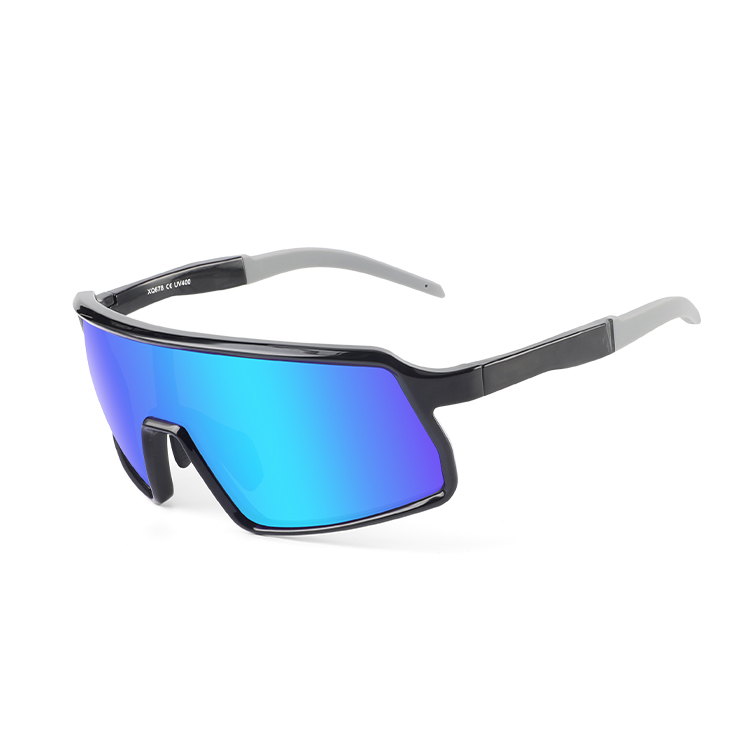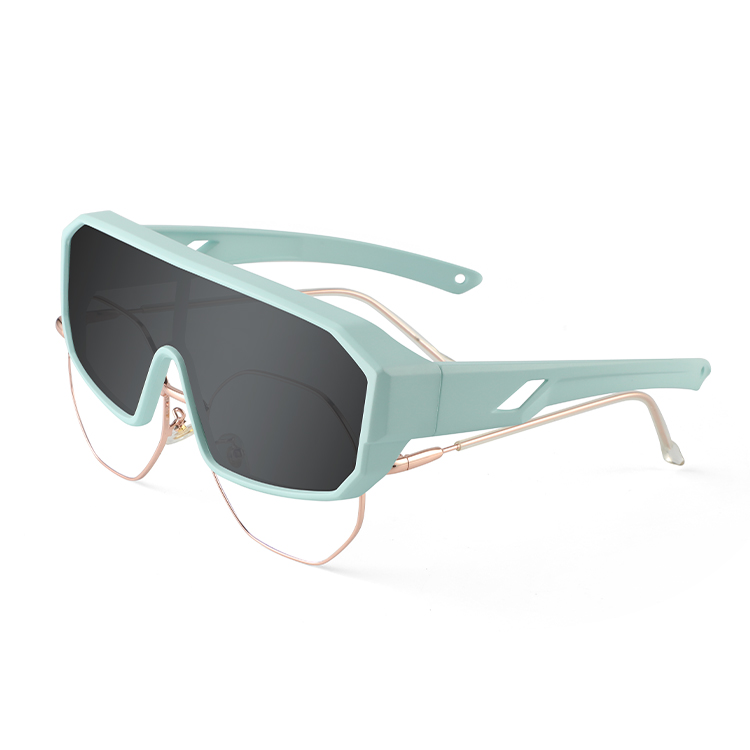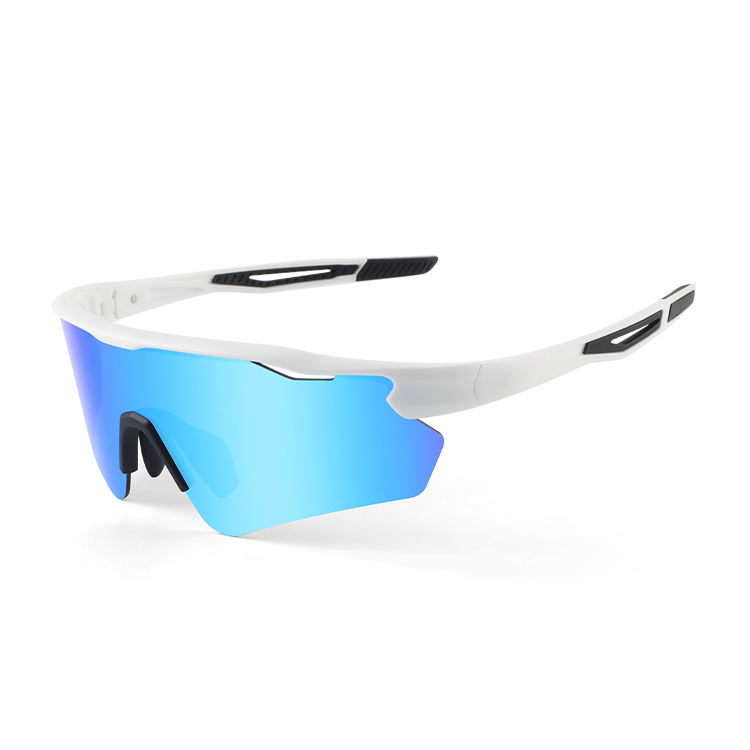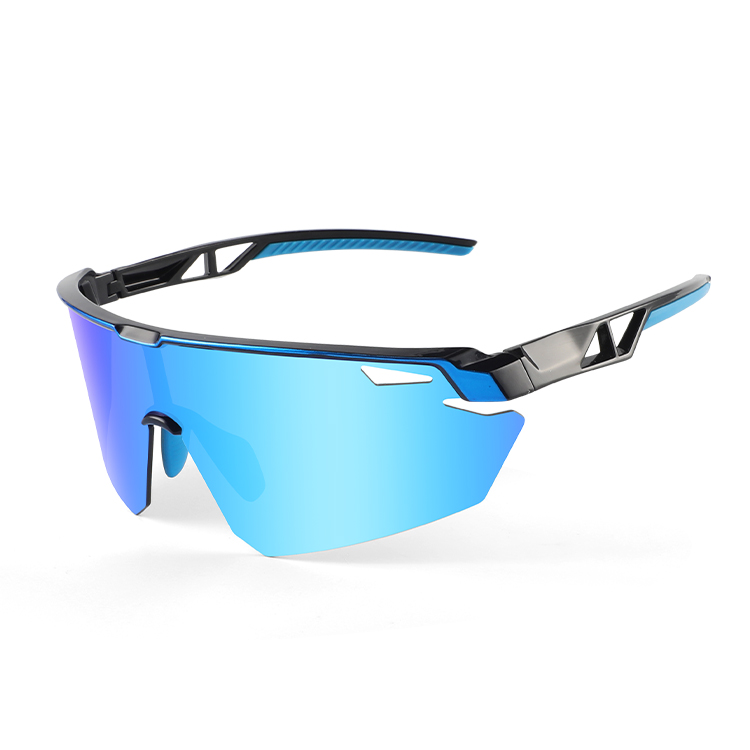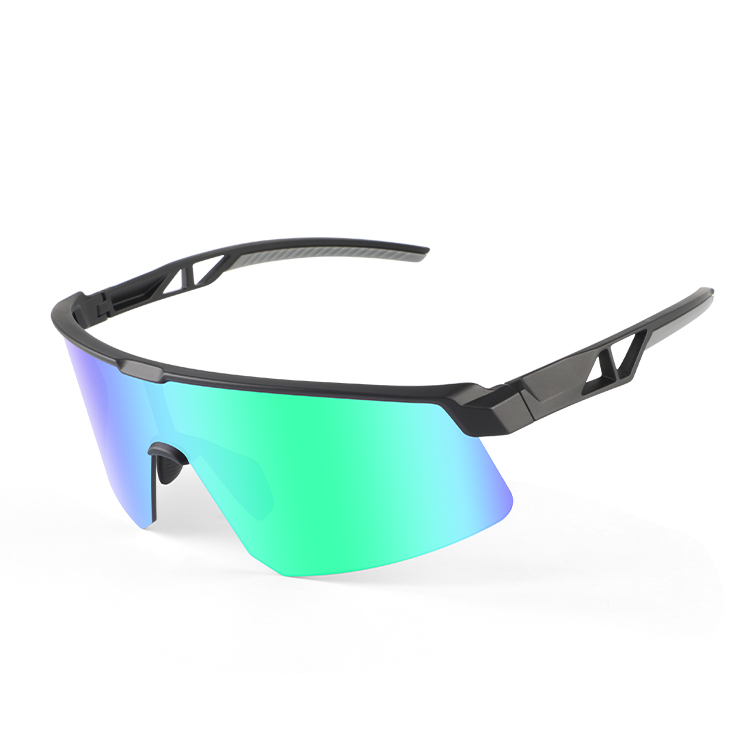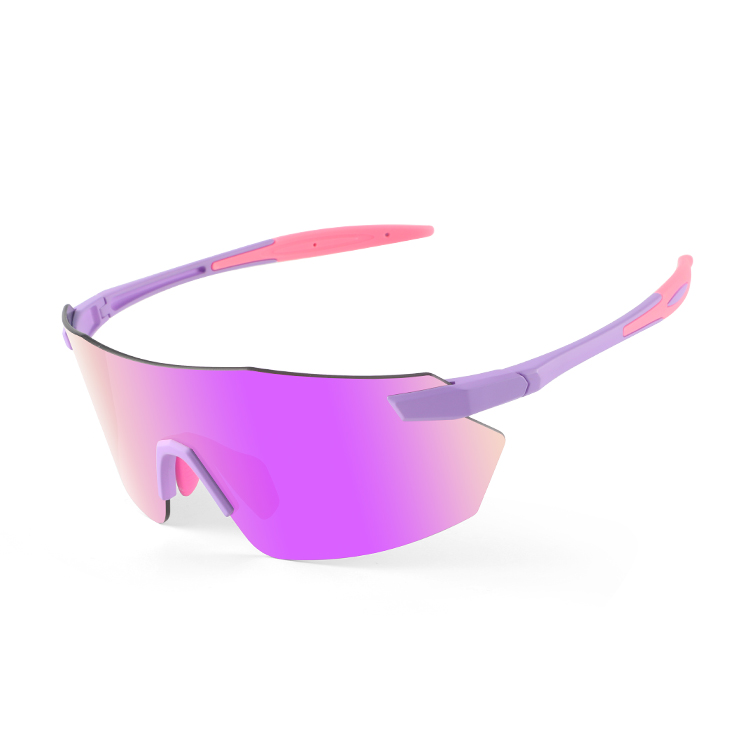











Choosing the best lens color for fishing isn’t about fashion or style; it’s about how you see better on the water. Each lens color changes the color of light, altering how you see movement, depth, and the fleeting flashes of fish through the water.
This guide will explain the role of each lens color, how different conditions affect your vision, and why choosing the best lens color for fishing can completely transform your fishing experience.
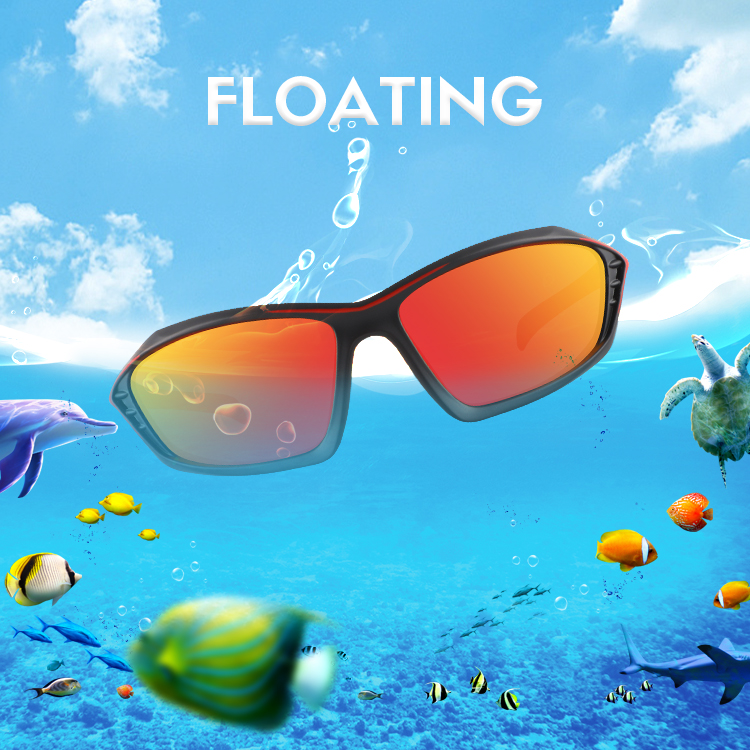
Why does lens color affect your ability to see fish?
Light scatters and reflects off the water’s surface, especially in sunlight. This is why it can be not easy to see underwater on a bright, sunny day. Polarized lenses reduce surface glare, but lens color determines how much you can actually see after eliminating that glare.
If you choose the wrong color, the world becomes two-dimensional—fish become indistinguishable from weeds or shadows.
- The right color provides depth and contrast, making shapes, ripples, and movement more distinct.
- Professional anglers carry more than one pair of lenses because lens color changes with the sunlight, water quality, and depth they’re fishing.
Amber and Copper: Best for Shallow Waters and Mixed Light
Amber and copper lenses are excellent choices for fishing in coastal shallows, rivers, or lakes. They block blue light that contributes to haze and enhance the contrast between light and dark areas.
These lenses allow for better identification of fish near the surface and highlight underwater structures like weeds and rocks. Amber lenses, with their slightly lighter tint, work well in partly cloudy conditions, while copper lenses add a warmer hue to sunlight. Both lenses are comfortable for extended wear without compromising detail.
In practice, amber and copper lenses are versatile choices—they are suitable for most fishing conditions, from clear to slightly murky waters.
Gray and Blue Mirror: Best for offshore and sunny conditions
Blue or gray mirrored lenses effectively block glare from bright sunlight and unusually bright water.
- Gray lenses maintain true colors but reduce overall brightness, making them ideal for both open water and deep sea fishing.
- Blue mirrored lenses better reflect the harsh sunlight, allowing you to clearly see below the water’s surface even at midday.
They are the best choice for saltwater anglers who need to maintain eye comfort for extended periods without sacrificing clarity. When your fishing environment is dominated by sunlight and endless reflections, gray or blue mirrored lenses are likely the best choice for saltwater fishing.
Green and Brown: Balanced Contrast
Green lenses fall somewhere between warm and cool colors. They provide contrast without looking unnatural, making them best for beginners and offshore saltwater anglers. They are particularly useful in areas with vegetation, allowing you to see color variations and movement between grass and rocks.
Brown, similar to copper but darker, blocks more light for anglers fishing in the blazing midday sun. Brown creates boundaries underwater and enhances depth perception when sunlight breaks through clouds.
Both colors are versatile enough for anglers who fish in diverse environments and don’t want to constantly switch glasses.
Polarization and coatings determine performance
Lens color alone doesn’t guarantee an unobstructed view. Polarization isn’t optional; it’s used to prevent distracting glare from the water’s surface. Without polarization, even the best lens color for fishing won’t show what’s happening underwater.
Mirror coatings also block sunlight, especially in saltwater environments, while anti-reflective coatings reduce internal glare and improve clarity.
- Be sure to purchase lenses with 100% UV protection.
- The longer you spend on the water, the more you’re exposed to sunlight, and a high-quality coating will make you more comfortable and see more clearly.
Choose the right lens color for your fishing environment
To choose the best lens color, first consider the waters and times you fish most often.
For bright, open water: gray or blue mirrored lenses.
- For offshore, shallow water, or mixed light, amber, copper, or brown lenses are the most neutral.
- For densely vegetated rivers or lakes: green lenses enhance color contrast and movement.
- On cloudy mornings or evenings: Yellow or rose-tinted lenses produce brighter, clearer images.
Conclusion
Finding the best lens color for fishing is no pipe dream. As a manufacturer, XUNQI tests its lenses in real-world fishing conditions—sunny shores, wooded rivers, and intense sunlight—to ensure each color is perfectly matched to its specific application. Clarity, strength, and good polarization are more important to them than stylish looks.
Choosing the best lens color for fishing means less time wasted and more time fishing. “Look and see”—that’s what finding the best lens color for fishing is all about.
.webp)