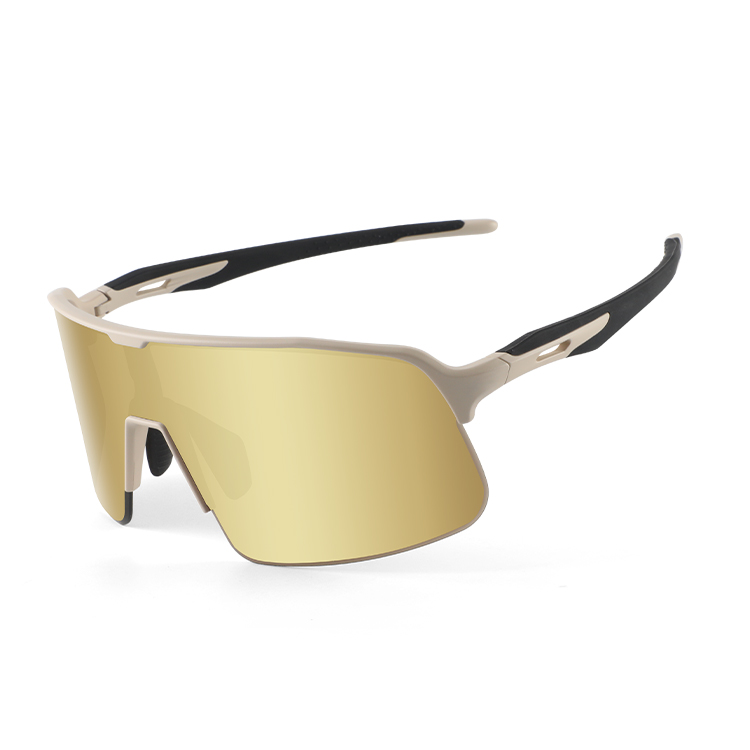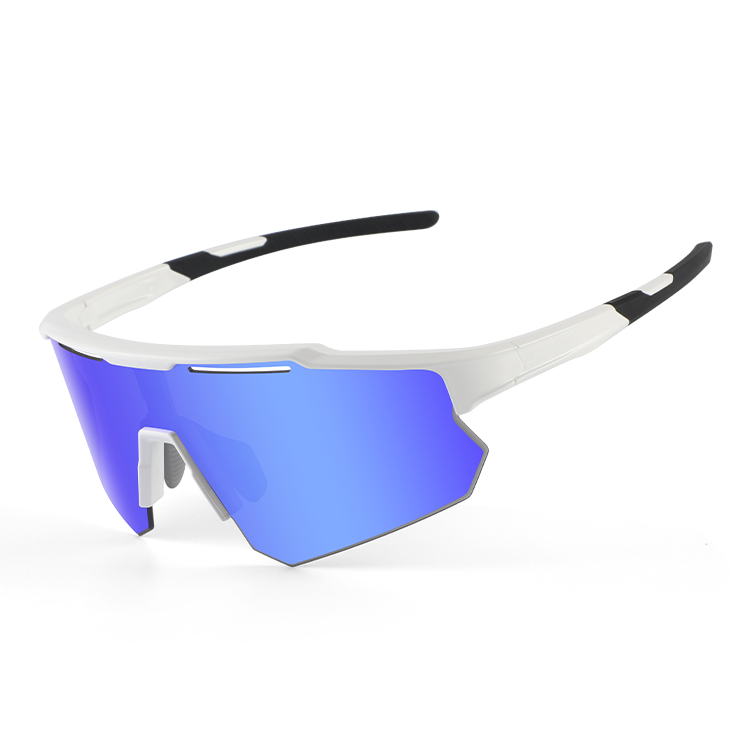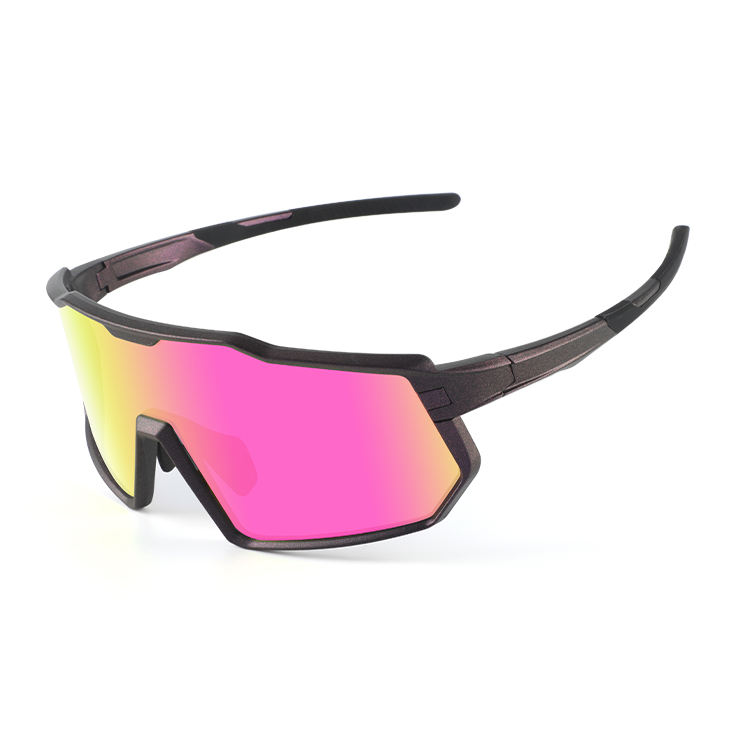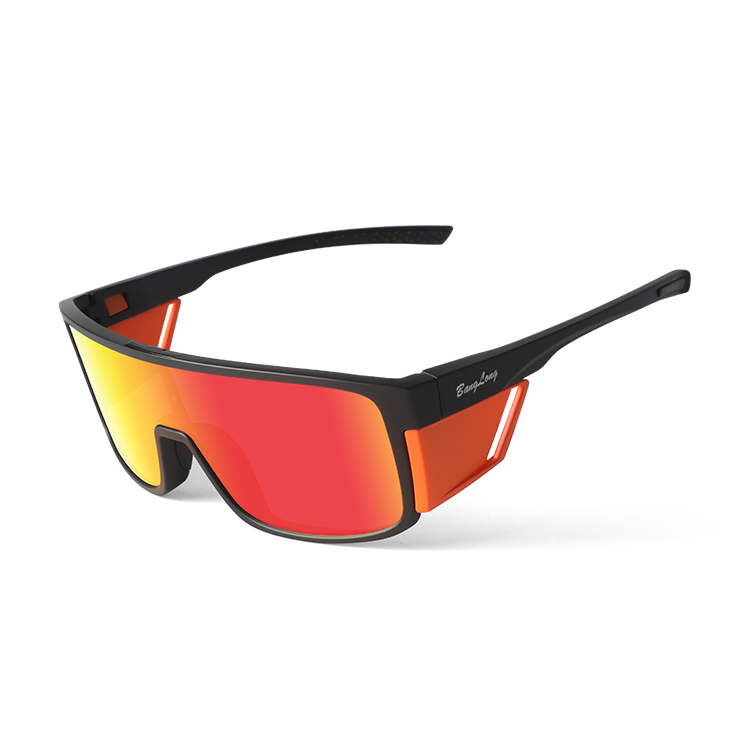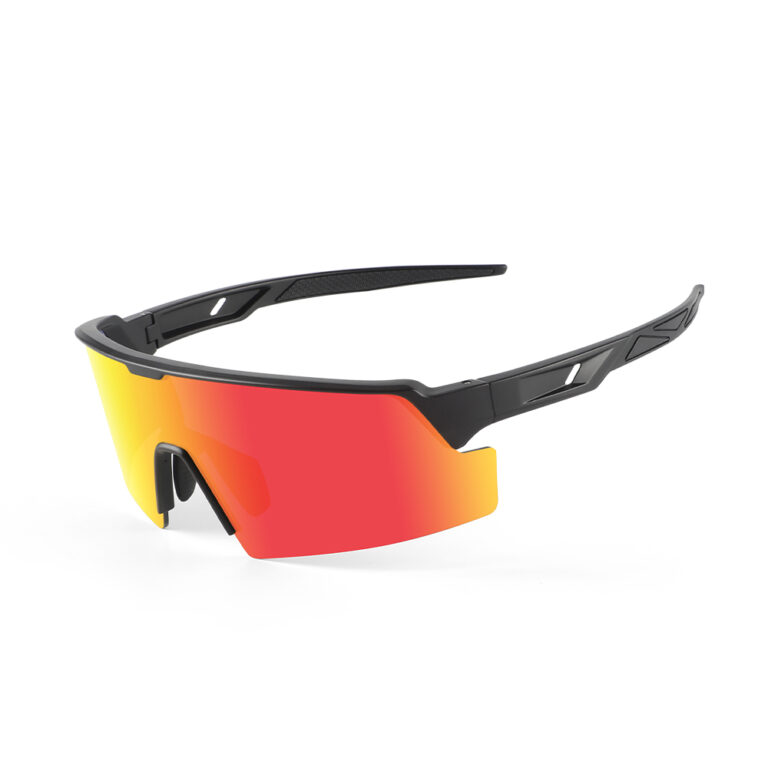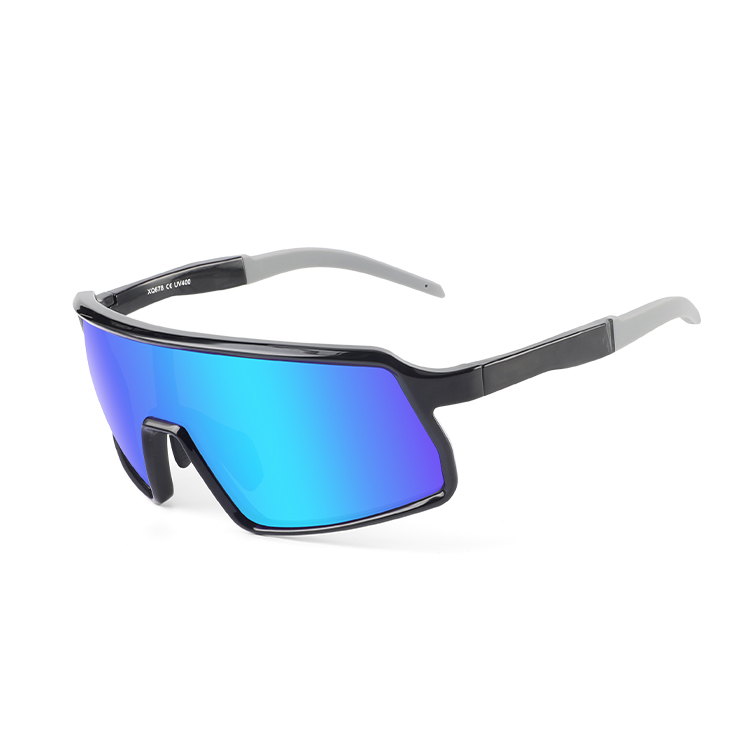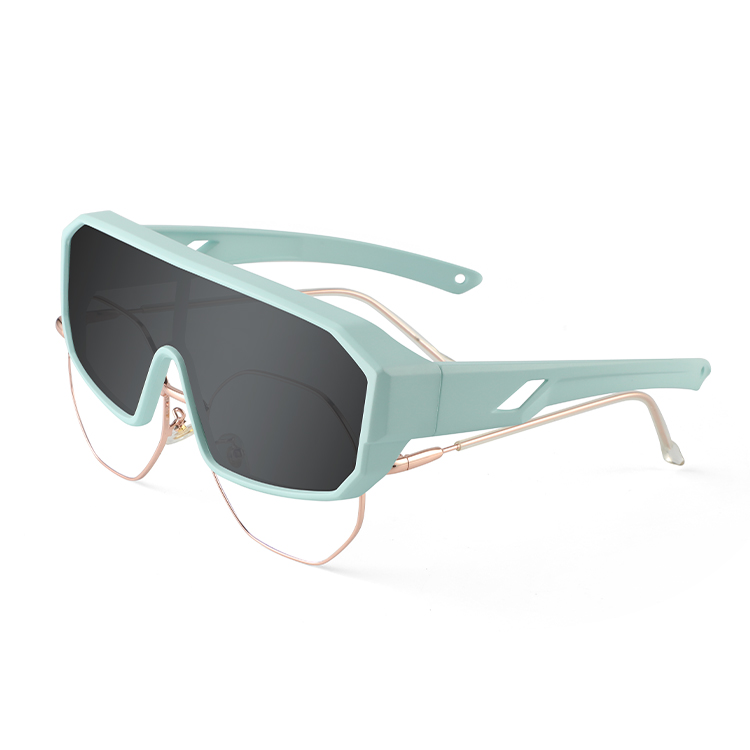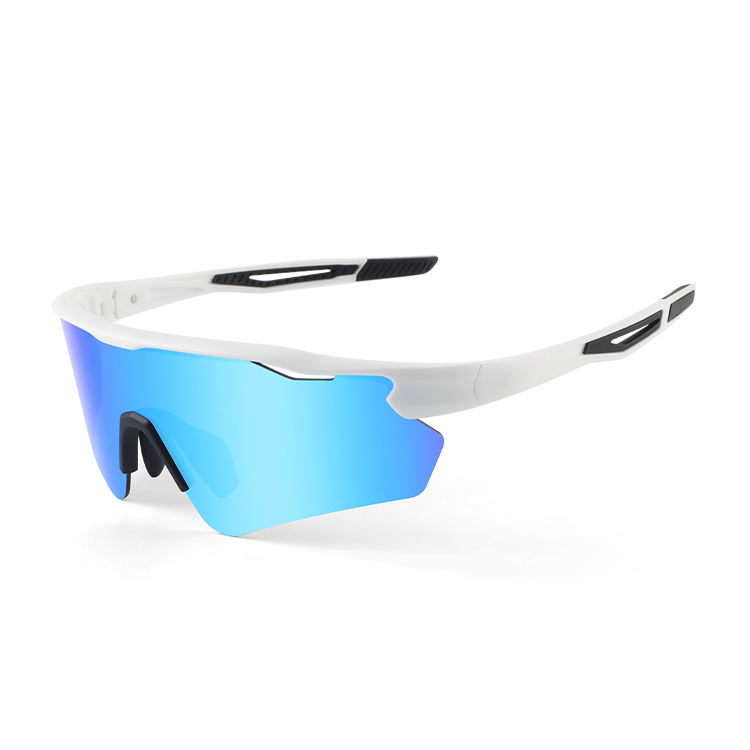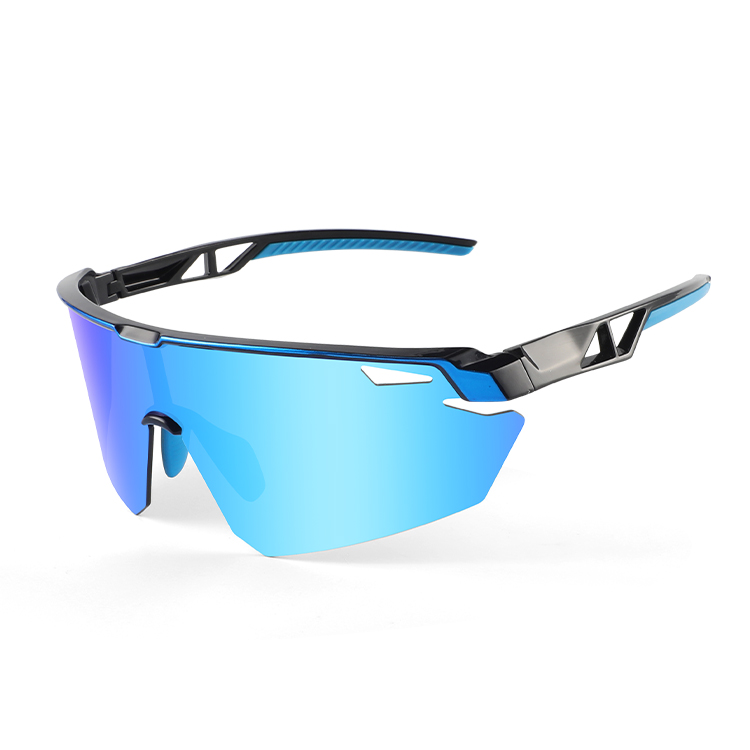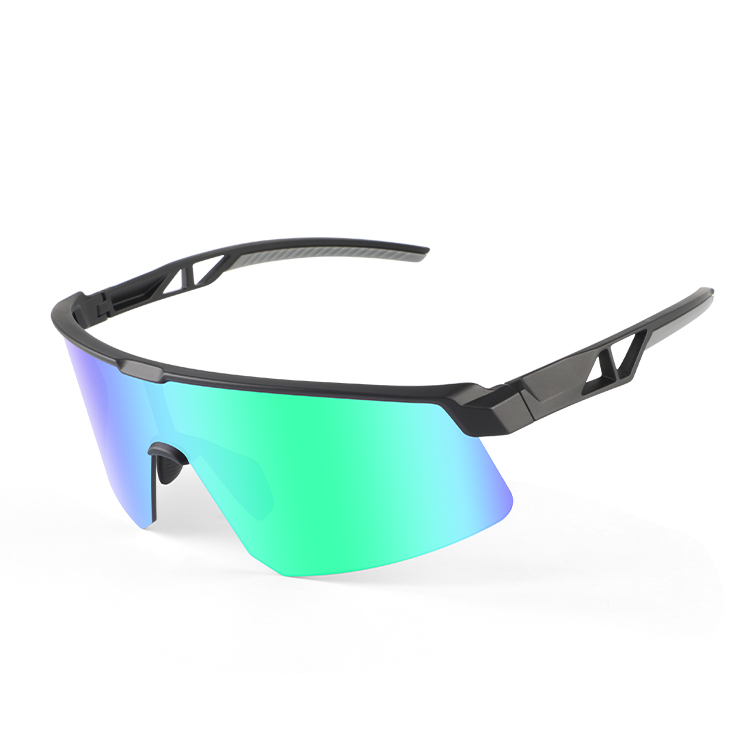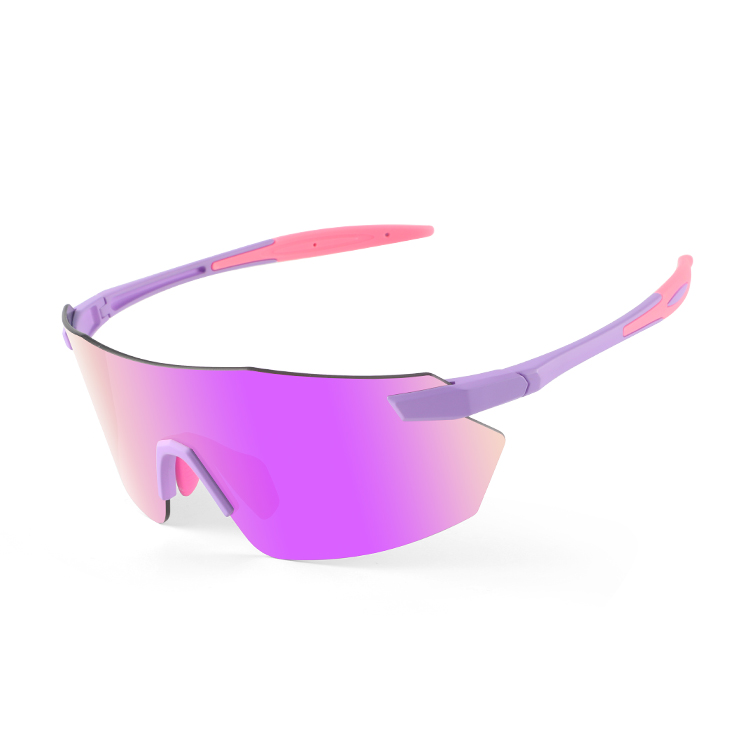












En condiciones de mucha luz al aire libre, pescar un pez sugiere que será bastante difícil para un pescador notar algo que sucede bajo la superficie del agua. Aparte de las distracciones asociadas con la luz reflejada, también será difícil para el pescador identificar los peces en distintos niveles de transparencia del agua, profundidad del agua y condiciones climáticas. Por eso puede resultar útil pescar con gafas para ver peces.
Las gafas de pesca no permiten a los pescadores ver a través del agua. Los lentes de buena calidad filtrarán el exceso de luz solar y mejorarán la visibilidad bajo el agua al aumentar el contraste. Depende de varios aspectos, incluida la polarización y el color de las lentes, la transmisión de la luz, las condiciones del agua y la posición del sol..webp)
¿Cómo pueden las gafas de pesca ayudarle a ver mejor los peces?
1. Mejorar el contraste bajo el agua
No sólo el brillo sino también el contraste permiten encontrar un pez. El color contrastante de un pez es importante para hacerlo visible sobre el fondo del agua, la vegetación, las rocas y cualquier otro elemento presente bajo el agua. Cuando un pez tiene el mismo color y/o nivel de brillo que el fondo, difícilmente se puede distinguir.
Unas gafas de pesca bien diseñadas para ver peces pueden ayudar a crear una separación visual más clara entre los objetivos submarinos y su entorno. Este beneficio puede ser especialmente notable en aguas relativamente claras, donde los peces son visibles pero es posible que no se destaquen mucho. Sin embargo, las gafas no pueden superar el agua extremadamente turbia o la mala visibilidad causada por partículas en suspensión.
2. Reducir el brillo en el agua
El reflejo del sol en los lagos, ríos y zonas costeras crea deslumbramiento, lo que dificulta que un pescador vea algo que sucede bajo el agua. Las lentes polarizadas ayudan a reducir los reflejos de la luz, facilitando la visión a través del agua.
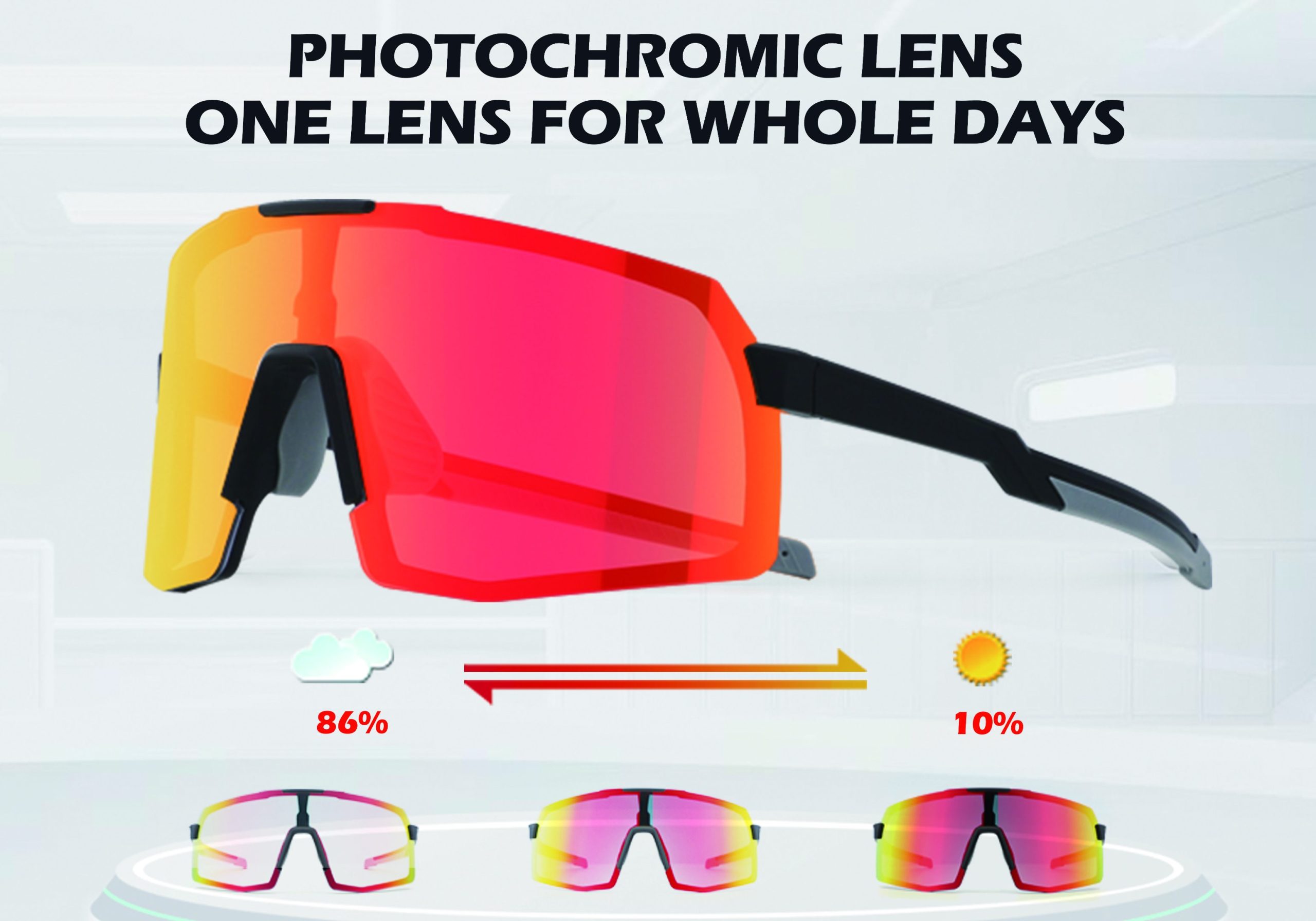
Para las personas que necesitan gafas de pesca que les ayuden a detectar peces, hay gafas polarizadas intercambiables disponibles. el XQ548 Las gafas tienen un sistema de lentes de policarbonato polarizado, con la capacidad de cambiar las lentes según las diferentes condiciones de luz.
3. Revelar movimientos sutiles debajo de la superficie
Los peces no siempre se mueven rápidamente ni permanecen en aguas abiertas. Pueden permanecer cerca de la vegetación, las rocas o el fondo y realizar sólo pequeños movimientos. Una silueta que se mueve lentamente, un cambio de posición del cuerpo o un breve reflejo del pez pueden ser difíciles de reconocer cuando la superficie del agua distrae visualmente.
El uso de gafas de pesca para visualizar los peces hará que sea más fácil detectar estas sutiles diferencias en la visualización debido a una mejor y más cómoda visión. Esto resulta útil en la pesca a la vista cuando los pescadores tienen que ver a través del agua antes de realizar el lance. También ayudará a identificar el movimiento para diferenciar los peces de las plantas en movimiento u otros objetos en el agua.
4. Reconocer mejor los colores y las formas
Los colores y las formas permitirán al pescador saber si está viendo un pez o un objeto bajo el agua. El agua, sin embargo, distorsiona gradualmente el color de las cosas dependiendo de la profundidad del agua. La claridad del agua y la luz del sol influirán en la visibilidad del objeto. Será difícil detectar al pez cuando esté cerca de plantas, rocas o arena en el fondo.
Las lentes adecuadas permitirán mantener la percepción del color dentro de límites útiles. Para gafas de pesca para ver peces, Por lo tanto, el color de la lente debe seleccionarse según el entorno en lugar de simplemente elegir la opción más oscura. Los lentes grises pueden proporcionar una percepción del color relativamente natural, mientras que los lentes marrones o ámbar pueden ofrecer un contraste más fuerte en algunas condiciones de agua dulce.
5. Reducir la fatiga visual en condiciones de mucha luz
Los viajes de pesca prolongados siempre requieren que usted esté expuesto a la luz solar intensa y al reflejo de esa luz en la superficie del agua. El brillo excesivo puede provocar entrecerrar los ojos y cansar la vista, lo que hace que el proceso de mirar un punto sea bastante difícil para los ojos. Este problema puede resultar especialmente evidente durante la pesca al mediodía o en aguas abiertas donde no hay lugares con sombra.
Las gafas de pesca pueden disminuir la fatiga visual y ayudarle a observar durante más tiempo sin ninguna dificultad. Otra característica que podría ser importante para las gafas de pesca es la protección UV400, que ayudará a proteger los ojos de los rayos ultravioleta de hasta 400 nanómetros. Los marcos cómodos y las almohadillas cómodas también pueden hacer que las gafas de pesca sean cómodas.
¿Qué tipo de gafas de pesca para ver peces es mejor?
1. Elija lentes polarizadas
Las lentes polarizadas son una de las características más útiles para los pescadores porque reducen la luz reflejada en la superficie del agua. En el caso de las gafas de pesca para ver peces, la polarización puede ayudar a crear una visión más clara en condiciones de mucha luz y hacer que los detalles bajo el agua sean más fáciles de reconocer.
| Tipo de lente | Control de deslumbramiento | Detalle submarino | Mejor uso |
| No polarizado | moderado | Limitado | Uso general en exteriores |
| Polarizado | Alto | mejor | Pesca y agua brillante. |
| teñido oscuro | moderado | Varía | Luz solar fuerte |
2. Seleccione el color de lente correcto
El color de la lente debe coincidir con el entorno de pesca y la luz disponible. El color de lente correcto puede hacer que las gafas de pesca para ver peces sean más efectivas en diferentes ambientes al aire libre.
- Gris: Adecuado para luz solar intensa y percepción de color relativamente natural.
- Marrón o ámbar: Puede mejorar el contraste en muchas condiciones de agua dulce.
- Amarillo: Más adecuado para condiciones nubladas o con poca luz.
3. Considere la transmisión de luz de la lente
La transmisión de luz visible (VLT) muestra cuánta luz visible pasa a través de una lente. Las lentes que tienen un nivel bajo de VLT son más oscuras y son más efectivas bajo la luz solar intensa. Por el contrario, las lentes VLT más altas proporcionan una mejor transmisión de luz en ambientes nublados y oscuros. Por lo tanto, gafas de pesca para ver peces Debe seleccionarse de acuerdo con las condiciones de iluminación reales.
¿Cuándo pueden las gafas de pesca para ver peces ayudarle a detectar peces más fácilmente?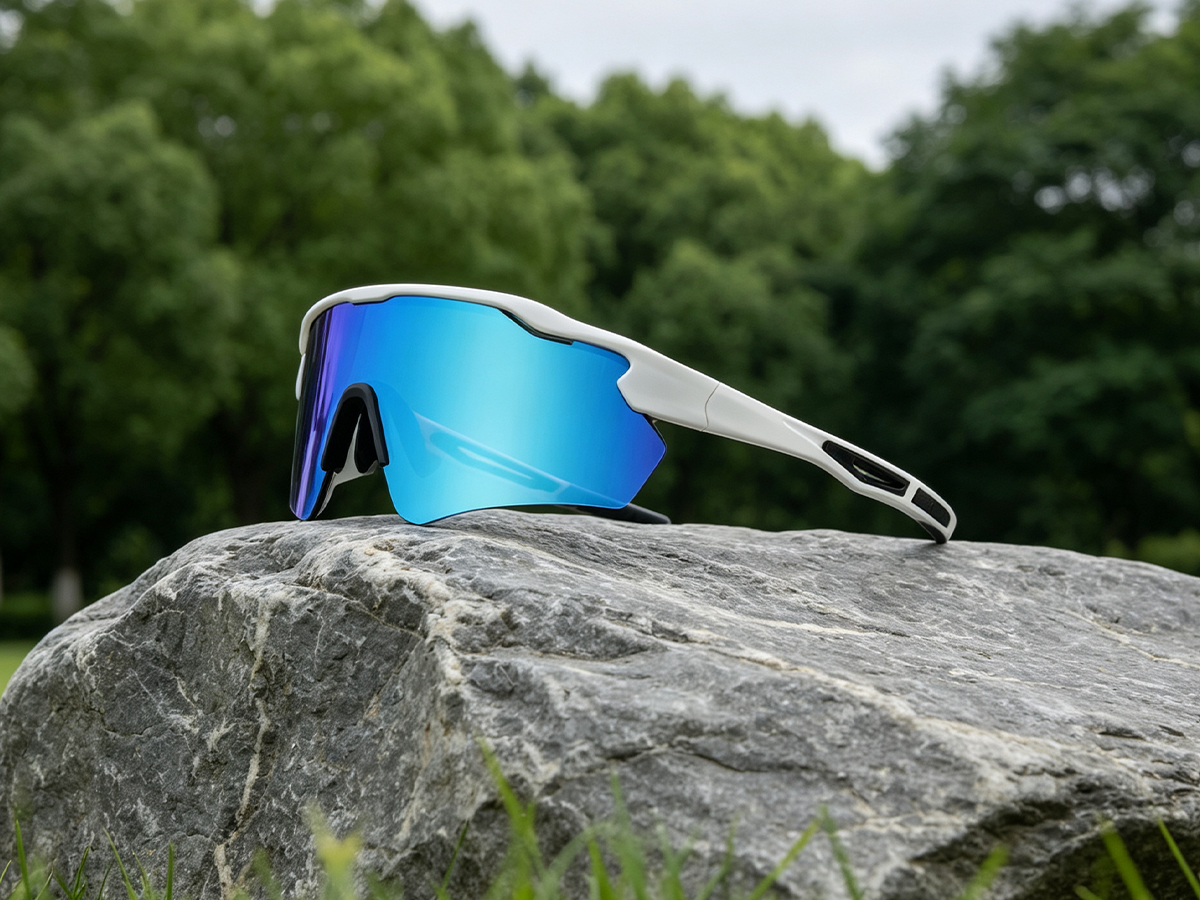
En condiciones luminosas y soleadas
La luz del sol en un clima despejado y brillante refleja mucho la superficie del agua. Las gafas de pesca para ver peces con lentes polarizadas pueden ayudar a minimizar dichos reflejos, mientras que los tonos de lentes adecuados pueden ayudar a controlar la intensidad de la luz solar.
En aguas claras y poco profundas
Los cuerpos de agua reflejan bastante luz solar en condiciones climáticas brillantes, especialmente cuando un pescador mira a través de la superficie del agua. Las gafas de pesca polarizadas para ver peces pueden ayudar a reducir parte del reflejo de la luz solar y, además, cambiar los ángulos de visión puede ser útil.
Alrededor de superficies de agua reflectantes
Los lagos, ríos y aguas costeras pueden reflejar cantidades significativas de luz solar, especialmente cuando los pescadores miran a través de la superficie. Las gafas de pesca polarizadas pueden reducir parte de la luz reflejada y hacer que el agua distraiga menos la vista. Cambiar el ángulo de visión también puede ayudar a mejorar la visibilidad.
Conclusión
Entonces, ¿pueden las gafas de pesca ayudarte a ver mejor a los peces? Sí, en condiciones adecuadas, pueden mejorar las condiciones visuales necesarias para detectar peces. Las lentes polarizadas pueden reducir el resplandor en la superficie del agua, mientras que los colores de lente adecuados y la transmisión de luz pueden ayudar a mantener una visibilidad útil en diferentes entornos de pesca.
Las gafas adecuadas deben adaptarse a las condiciones del agua, el clima y la iluminación en lugar de depender de una lente para cada situación. Si buscas unas gafas de pesca fiables para ver peces, FÁBRICA DE GAFAS XUNQI ofrece diferentes opciones y diseños de lentes para diversas necesidades de pesca al aire libre. Si tiene alguna pregunta sobre la selección de lentes o gafas de pesca, no dude en contactarnos. contáctanos para más información.