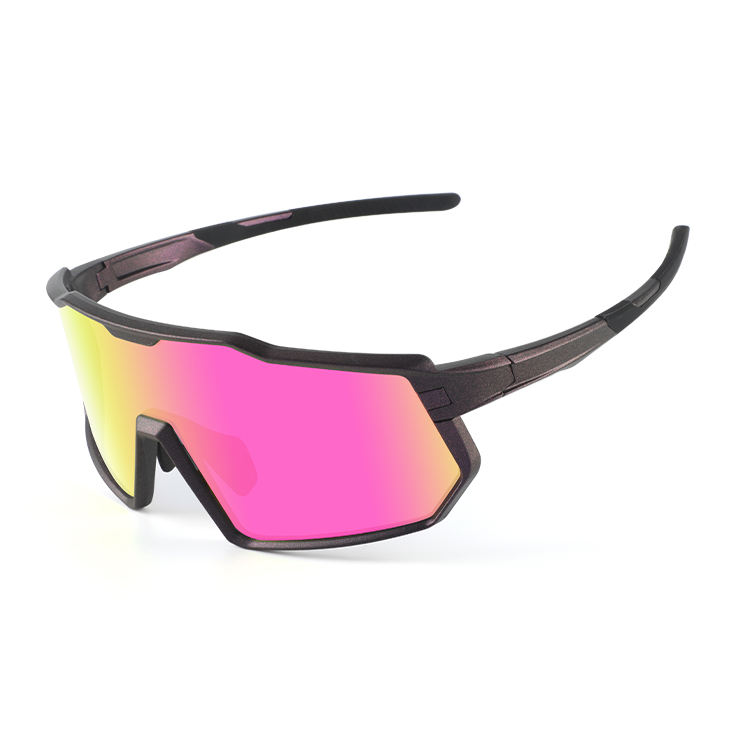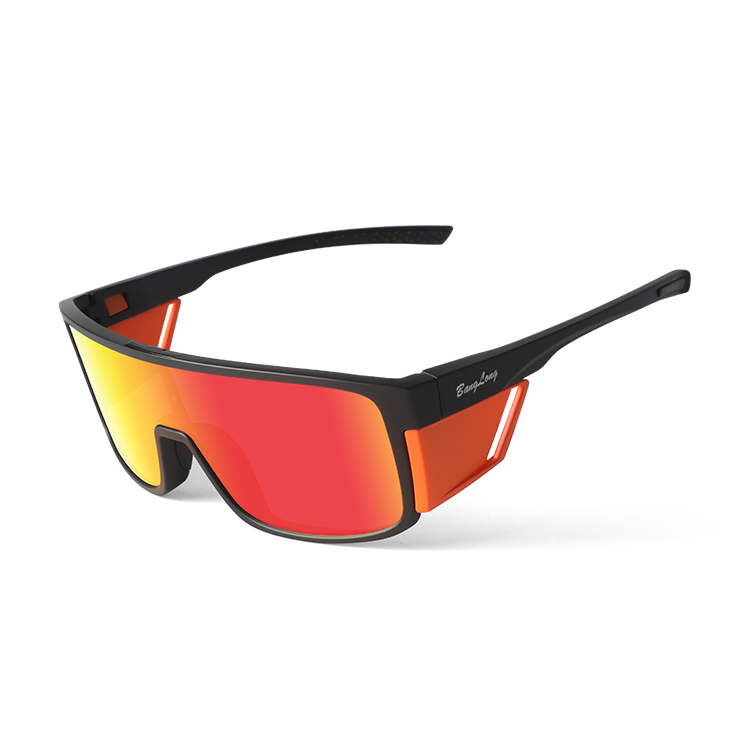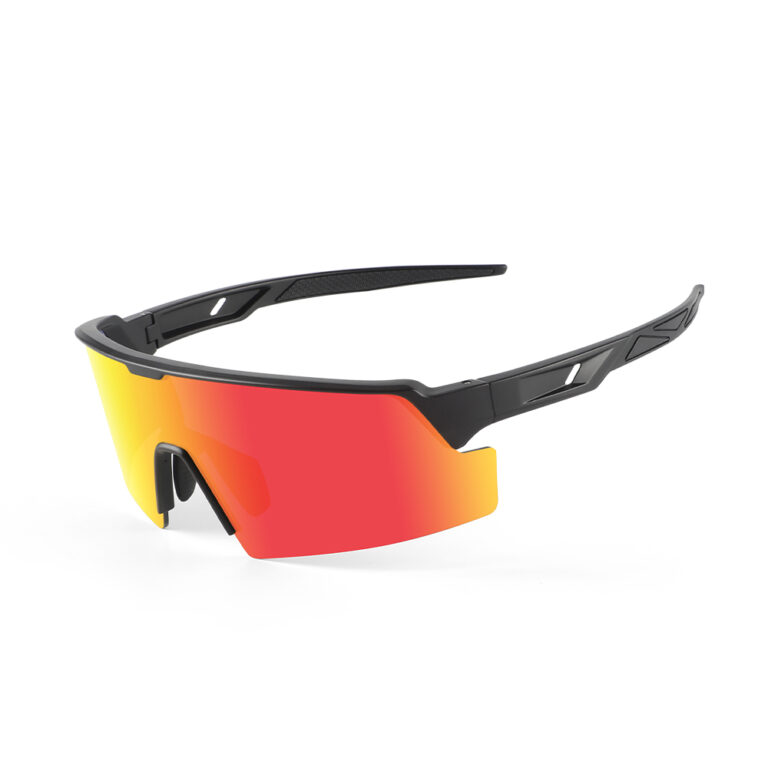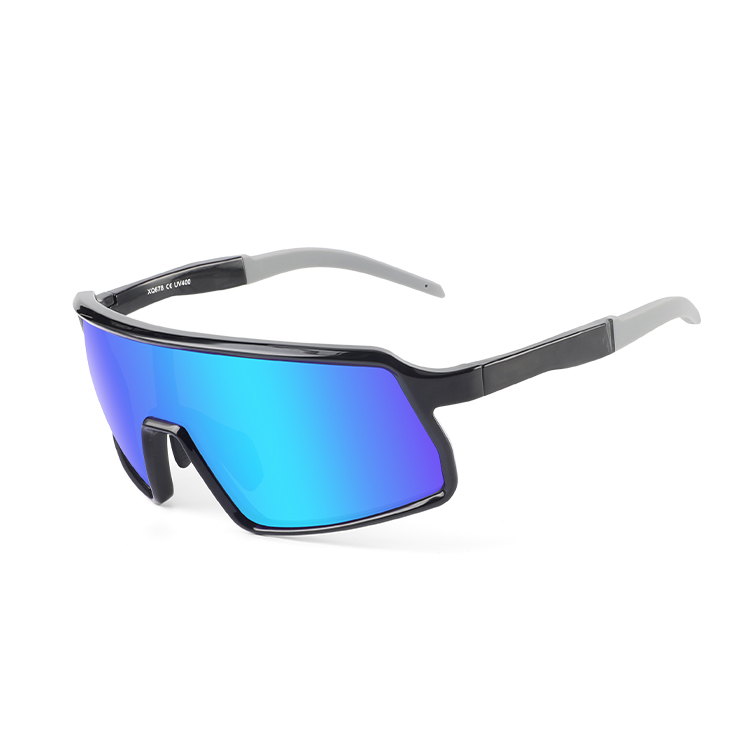












Sunglasses have been refined over time to effectively block UV rays. They also reduce glare, enhance contrast, and provide better vision in all lighting conditions. With so many lens options available on the market, it’s crucial to understand which sunglass lenses are best for you.
Types of Sunglass Lenses and Their Features
There are different sunglass lenses, and each is specifically made to address the needs of different types of outdoor use. The most common types of lenses and applications are as follows:
1. Polarized Lenses
Polarized lenses will be used most likely in outdoor games. Polarized lenses have a glare-cutting coating that can eliminate glare off reflective surfaces like water, snow, or roads.
It is helpful when participating in activities such as boating, skiing, or fishing, where glare is obstructing your vision. Polarized lenses are ideal for contrast and clarity and are one of the best for any sport that requires maximum visibility.
2. Photochromic Lenses
Transition lenses or photochromic lenses are lenses that darken or shift in color based on whether they are exposed to UV or not. Outdoors in the sun, they darken, and indoors in the home, they become transparent.

3. Mirrored Lenses
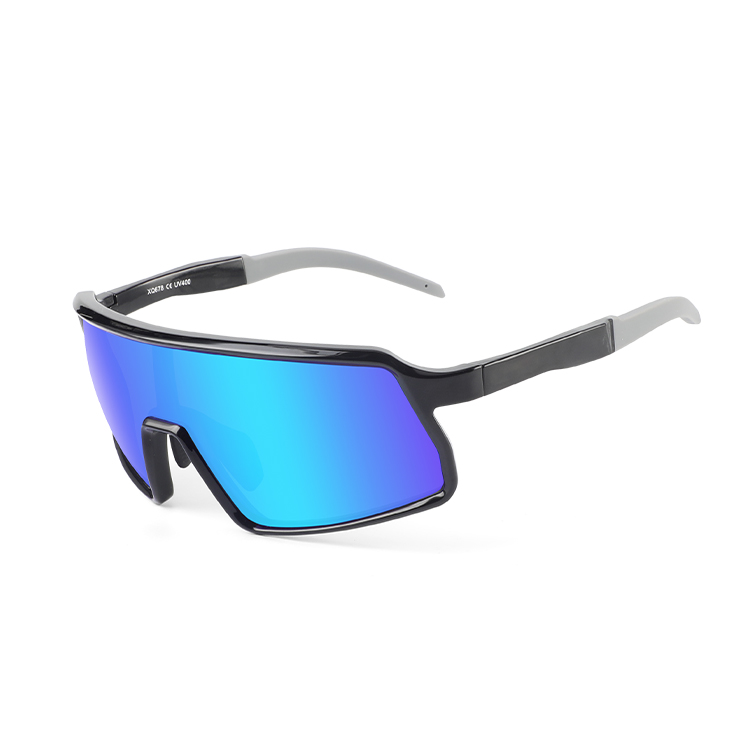
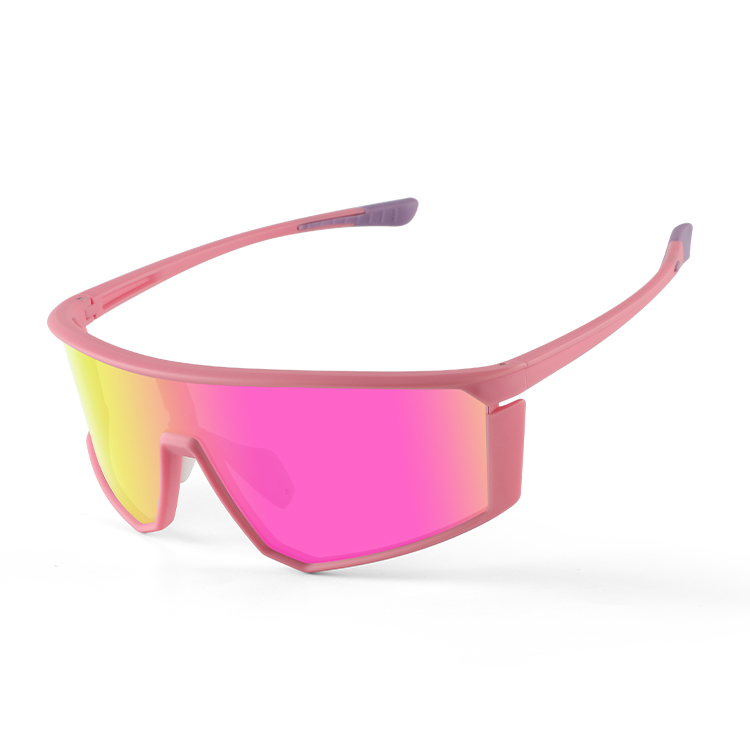
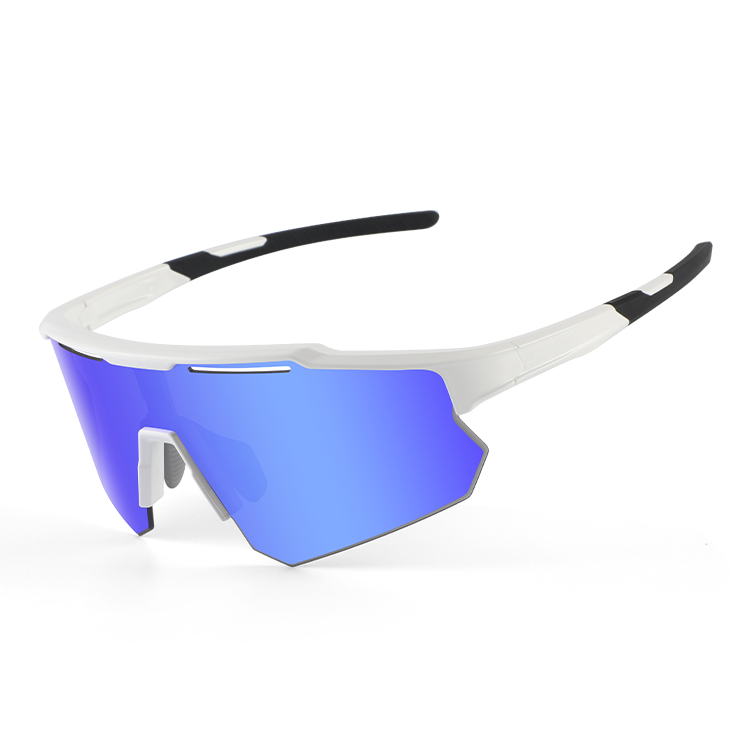
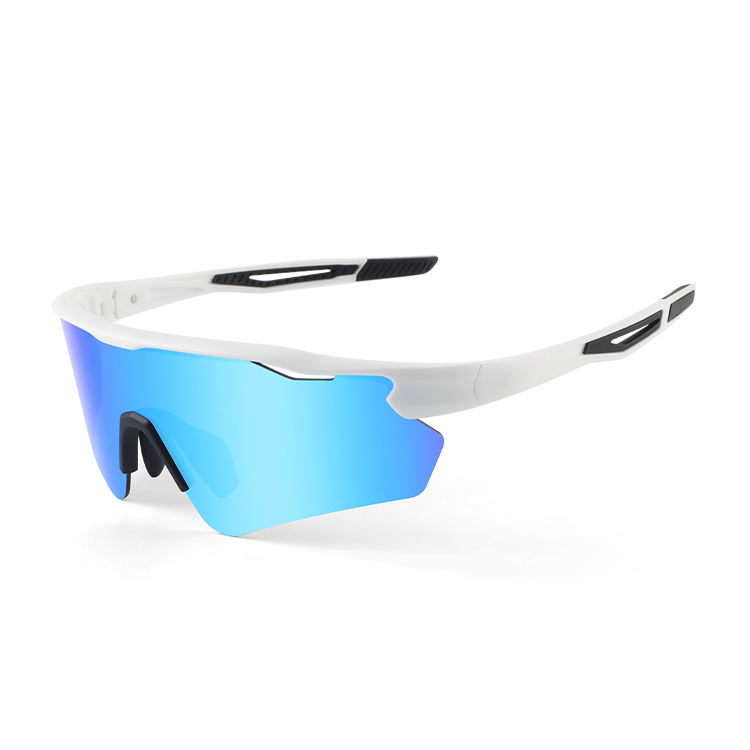
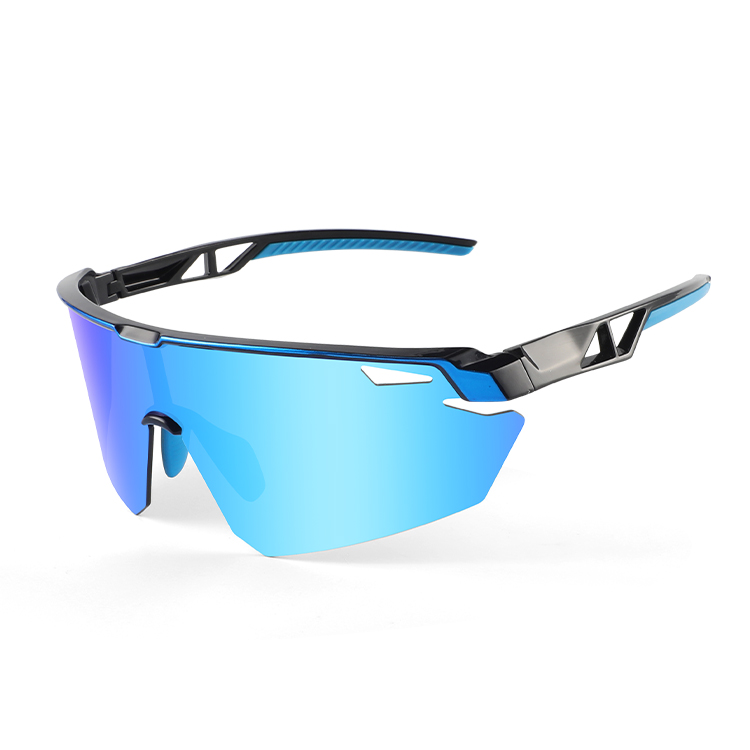
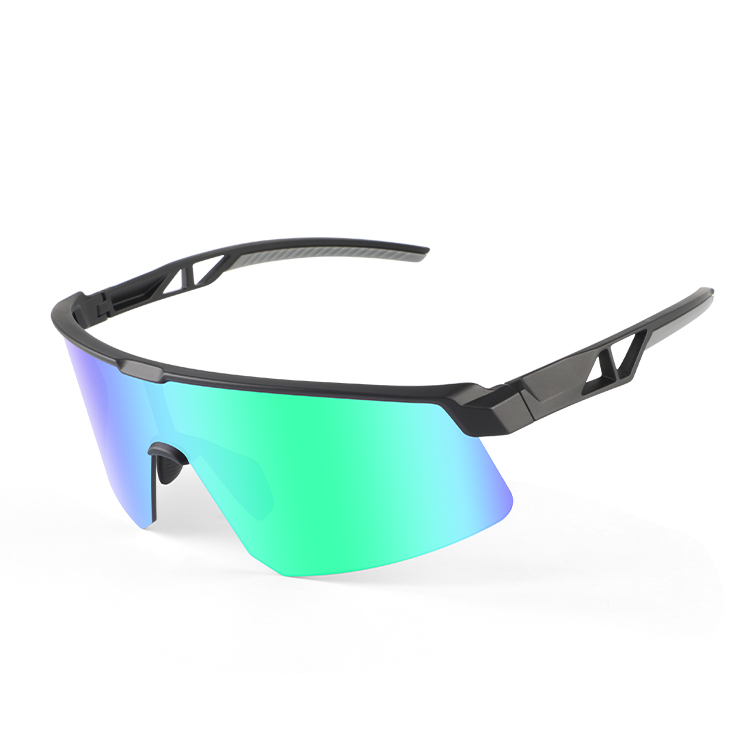
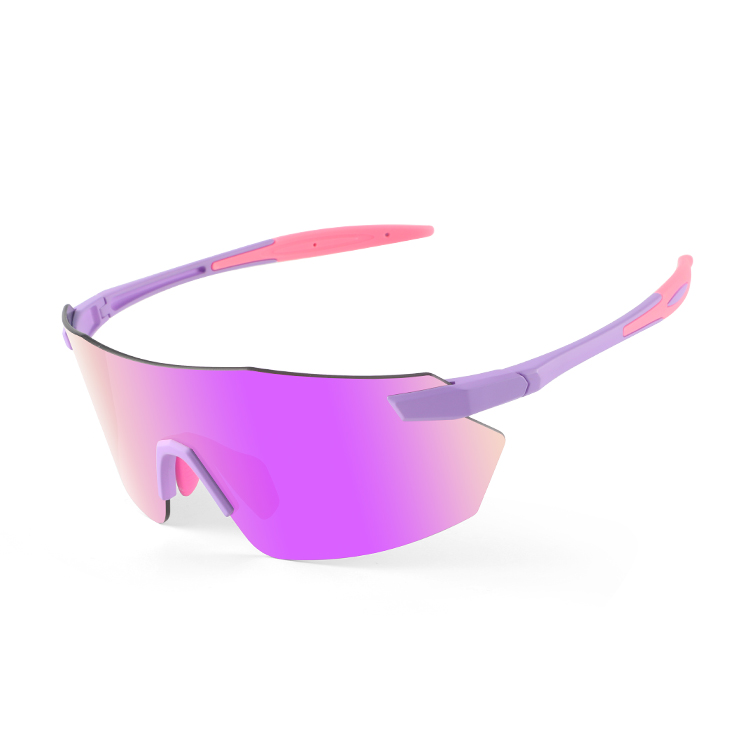
Mirrored lenses possess an outer cover that reflects incoming light to your eyes. Mirrored lenses are perfect to wear whenever there is extremely bright light, like rock climbing or skiing.
Mirrored lenses also reduce glare and enhance contrast, therefore perfect to wear wherever there is extremely strong sunlight. Mirrored lenses also make your sunglasses fashionable, up-to-date, and chic.

4. Amber or Yellow Lenses
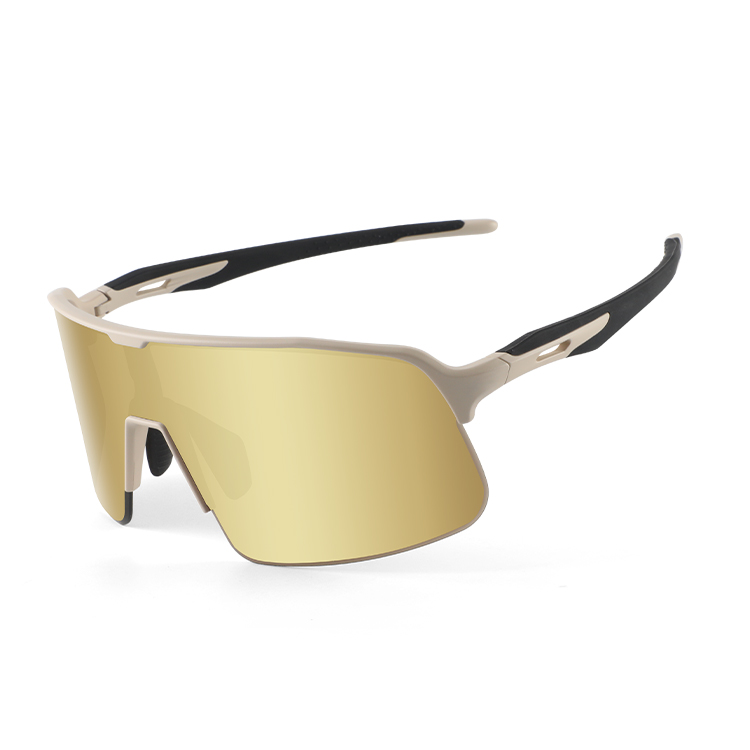
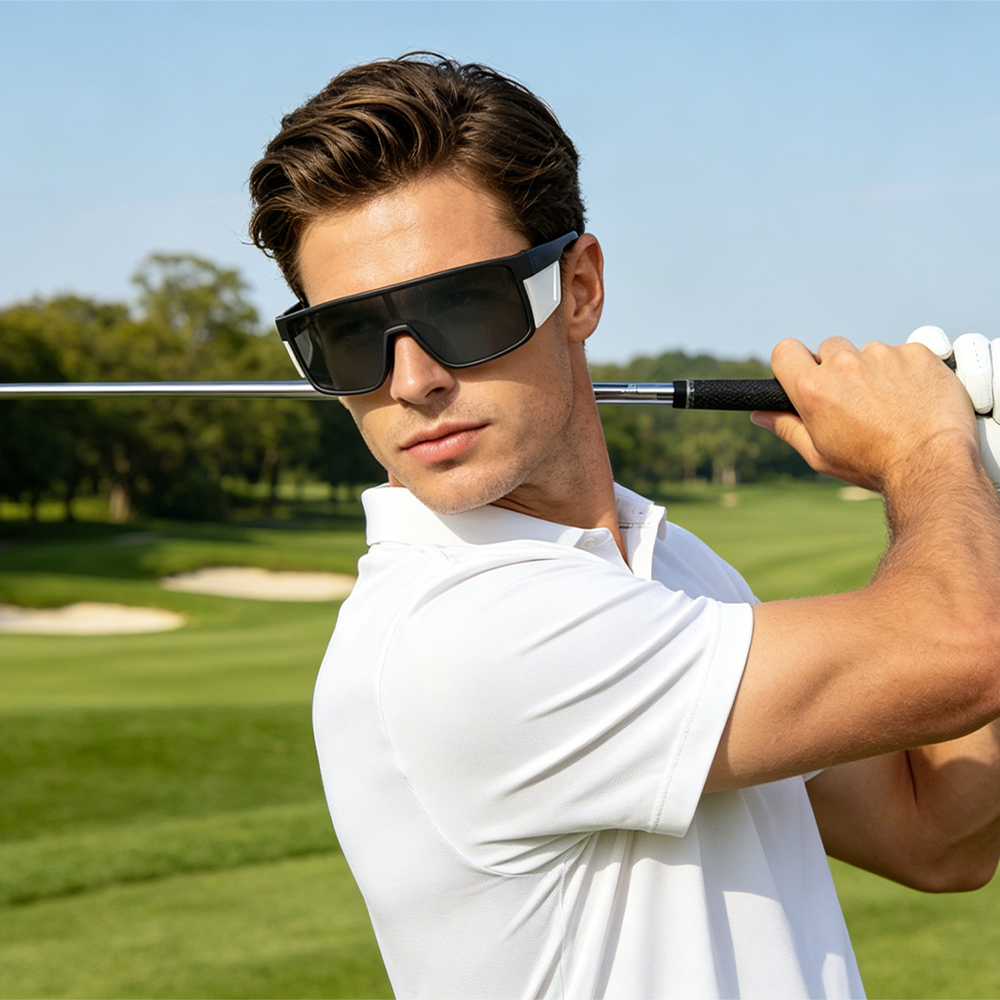
Yellow or amber glasses are suitable to be used in creating contrast and depth perception and can be applied in shooting drills, baseball, and golf. They work well in low visibility, such as rain or early morning. The lenses work best in the enlargement of vision in mist or fog, where ordinary glasses cannot provide clear vision.

5. Gray Lenses
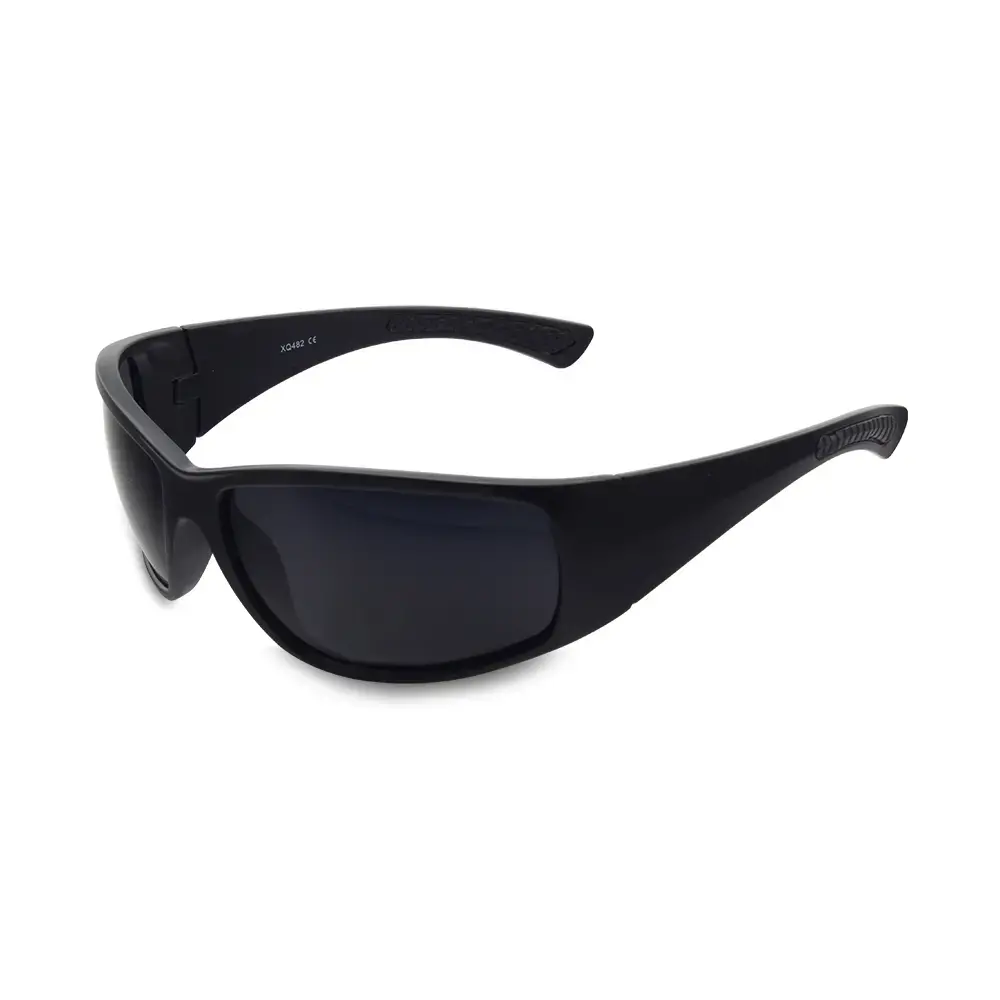
Gray-colored lenses are undyed, and as such, they block less overall light without distorting proper color seeing. Gray-colored lenses are ideal for general daily use, like trekking, cycling, and jogging.
You require gray-colored lenses if you need un-warped color, but nothing more. Gray-colored lenses restore eye fatigue and work best for high-illuminance outdoor sunlight exposure.
Choosing the Best Sunglass Lenses for a Task
That we learned the different sunglass lenses is beneficial; that you now know what lens works best for a certain sporting activity or outdoor pursuit is beneficial too. The lesson in this chapter will walk you through how to pick the ideal lens for your greatest effort or outdoor pursuit:
1. Cycling

Cycling is a sport that is carried out under the sun, directly and indirectly, where trees are present. Photochromic glasses can also be used in cycling because they change based on the light exposure.
Polarized glasses can also be used in cycling, in case you will be riding on roads constructed of reflective surfaces or with water bodies. Polarized glasses cut off glare and enable the roads to be seen.
2. Baseball

There can only be so much reaction and contrast in baseball, especially when tracking the ball. Amber or yellow glasses are excellent for baseball players since they provide a greater amount of contrast, whereby one is able to easily see the ball against the blue or white sky.
Glasses also enable one to perceive more depth, whereby one is given a better idea of how distant a fly ball is.
3. Running
Runners are subjected to alternating light intensities while running under sun-to-shade conditions. Photochromic eyewear is most appropriate for running because it adapts to alternating light intensities.
Gray eyewear is most appropriate for runners who desire to eliminate overall brightness but not color perception. Polarized eyewear is most appropriate for runners suffering from glare issues.
4. Fishing
Fishing is the most popular outdoor recreation in which glare elimination is of prime concern. Fishing in water or sea causes glare because of the droplets in the water over objects resting on its surface.
Polarized sunglasses would be a strict necessity for any serious angler since polarized sunglasses reduce glare and provide improved vision underwater. Contrast also gets boosted with the help of polarized sunglasses, and hence it becomes easy to spot fish or any other material floating in water.
5. Snowboarding and Skiing
Snowboarding and skiing are performed where light reflects off the snow to create severe glare. Mirrored lenses are thus best suited for snowboarding and skiing as they reduce contact with light and glare.
Amber or yellow lenses are also useful during skiing in poorly lit conditions, i.e., cloudy weather or at night. They increase contrast and depth perception, which allows the skiers to ski easily on mountains.
XUNQI Sunglass Lenses
XUNQI, with its rich brand heritage in the eyewear market, offers a range of premium sunglass lenses that combine performance and protection. These lenses utilize advanced materials and coatings to provide optimal clarity, UV protection, and durability.
XUNQI consistently adheres to the core principles of innovation and customer satisfaction, continuously optimizing the performance of its eyewear to allow you to enjoy your favorite activities with optimal vision.
Conclusion
Choosing the right sunglass lenses is the most important thing you can do to ensure a wonderful day and protect your eyes.
From controlling glare to enhancing contrast to keeping you comfortable outdoors for hours on end, the right lenses make all the difference in both sports and everyday activities.
.webp)