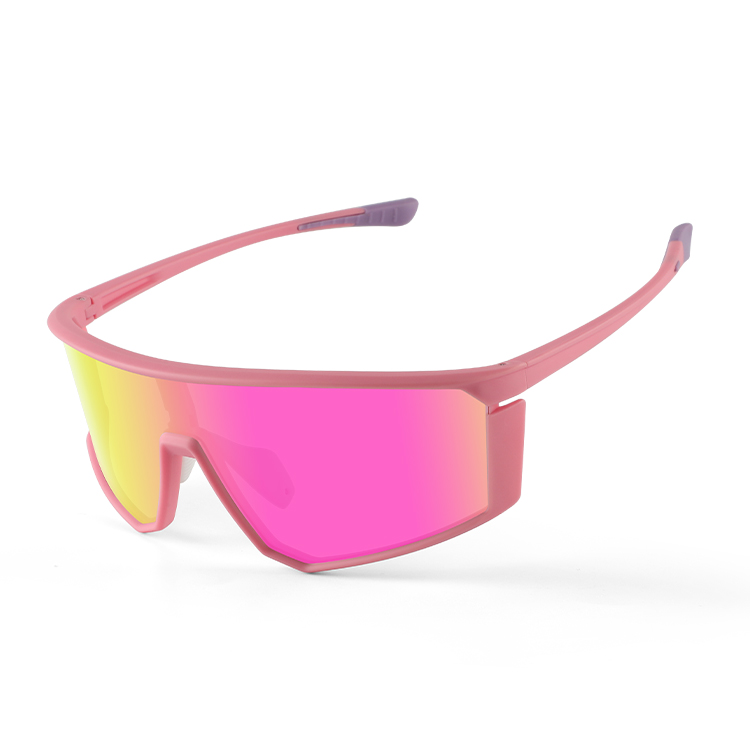
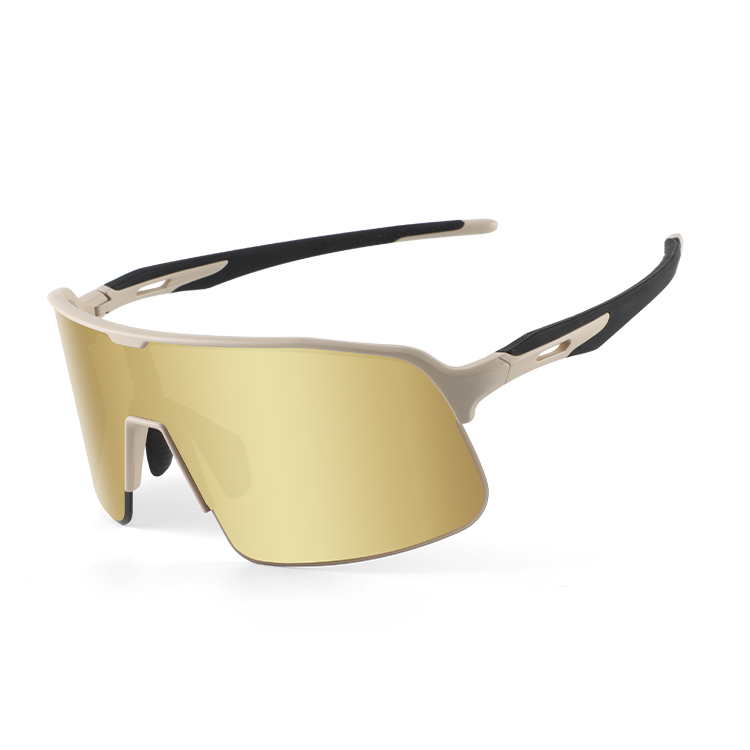
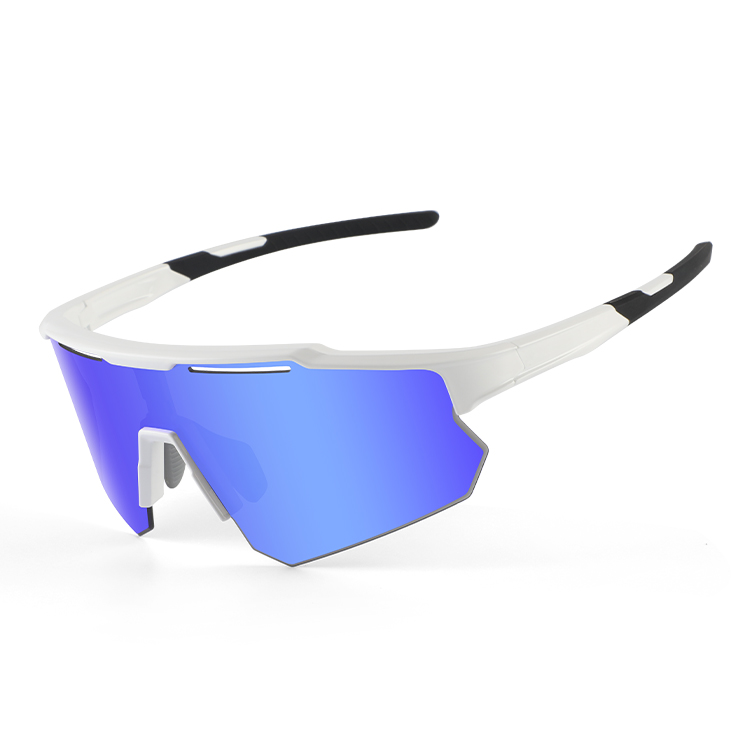
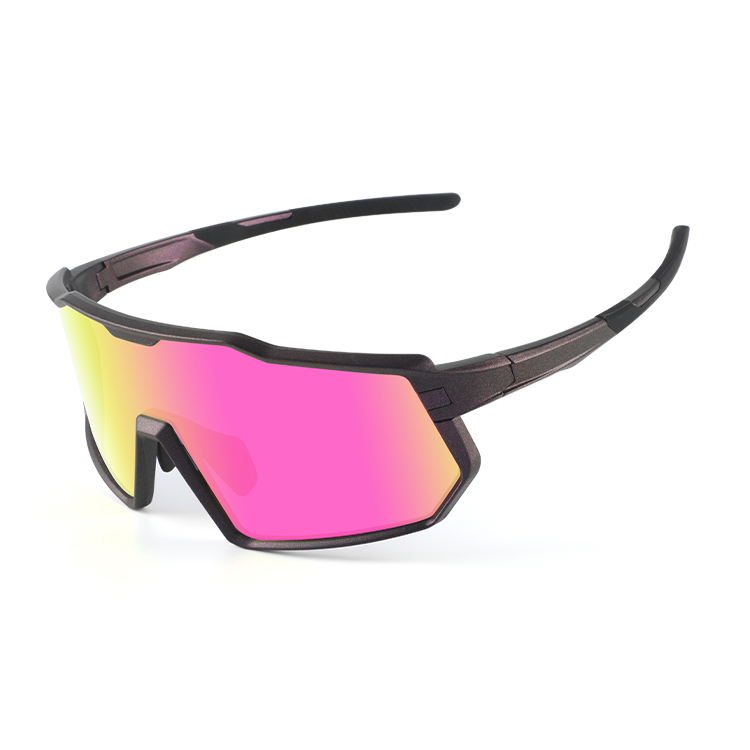
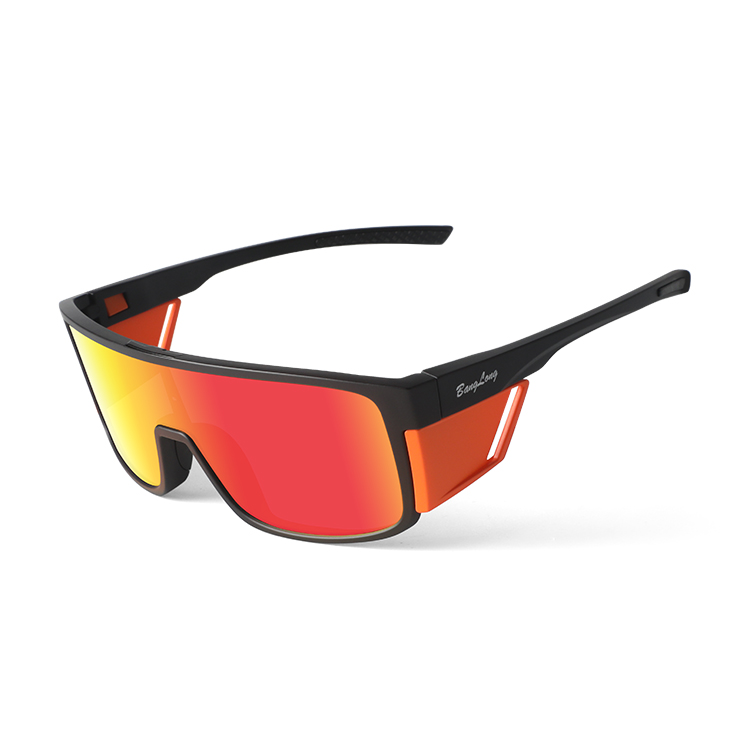
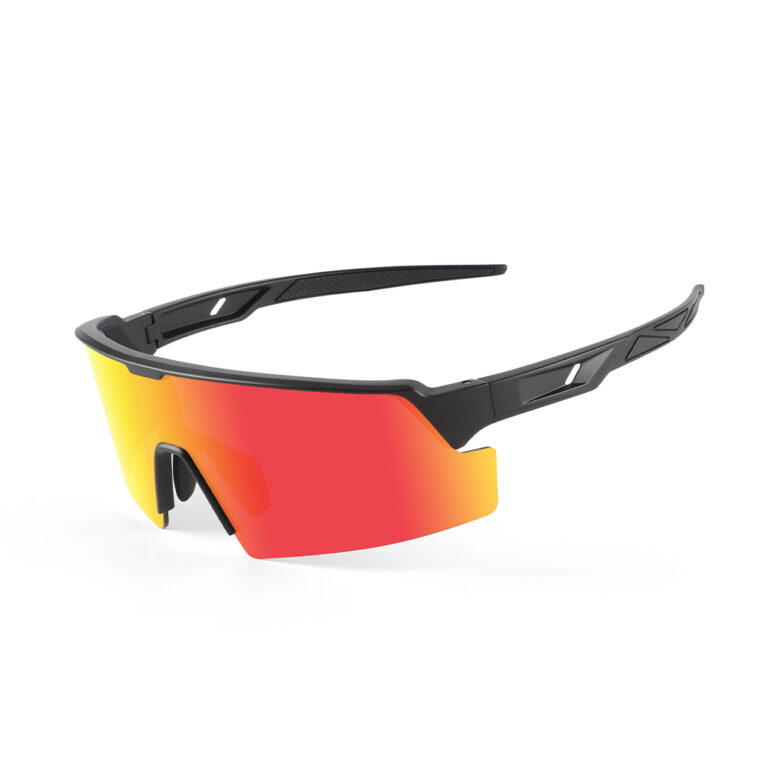
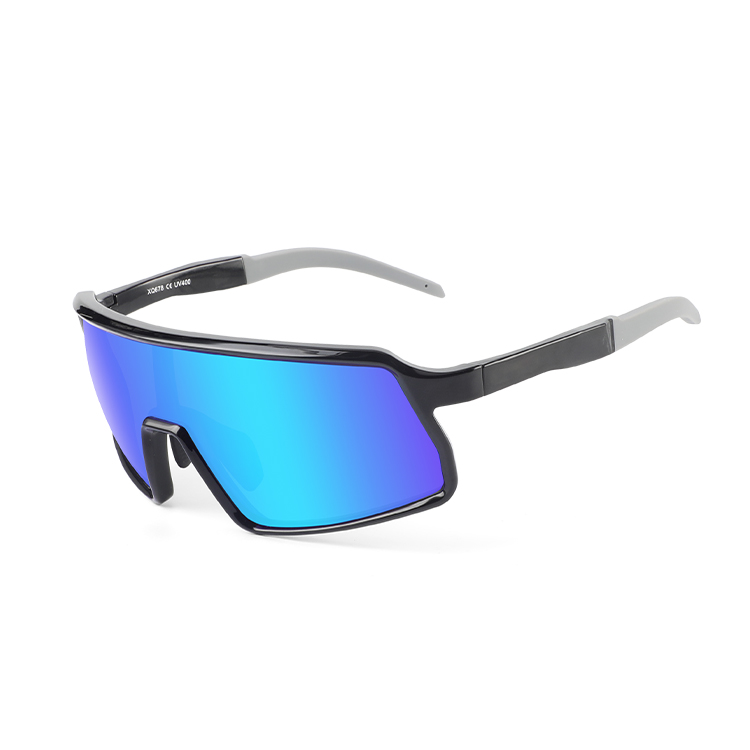
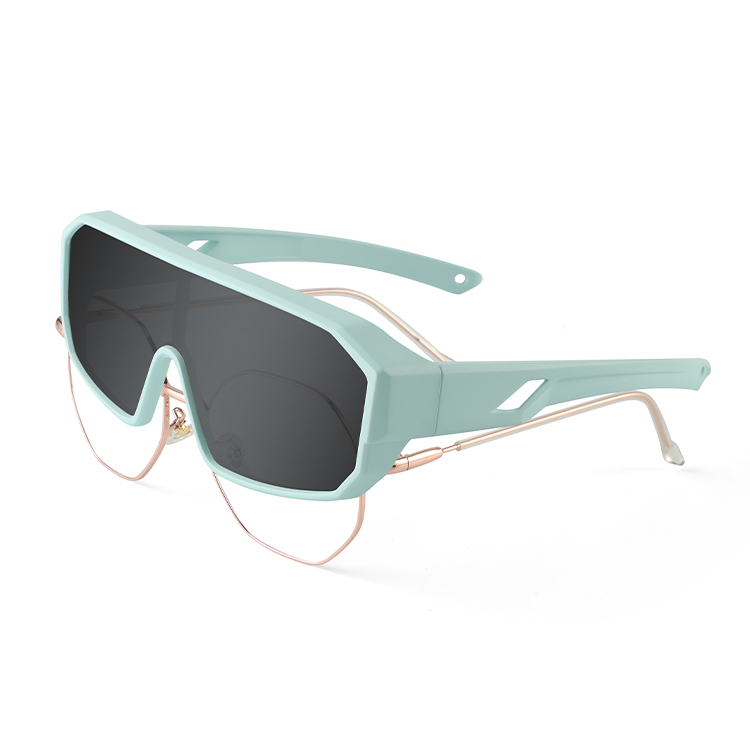
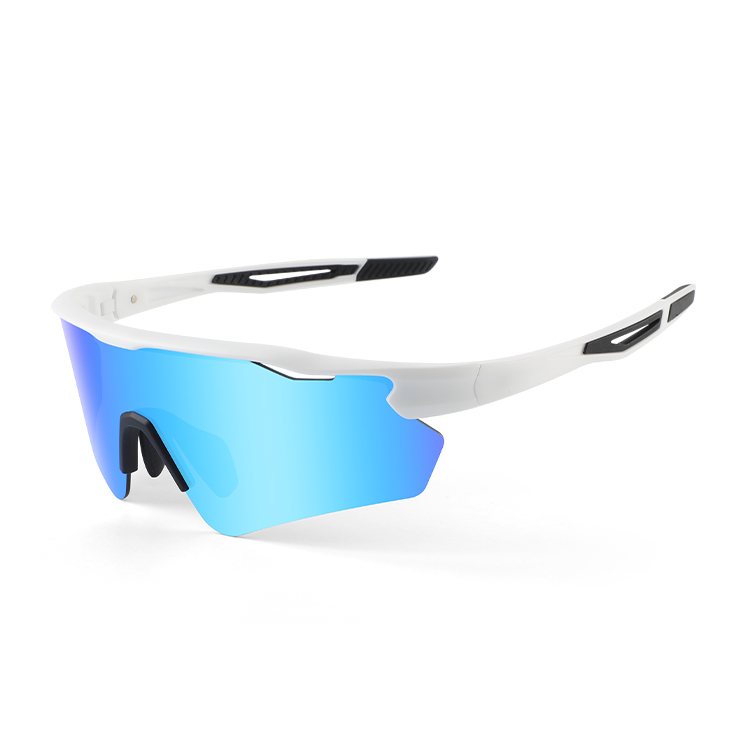
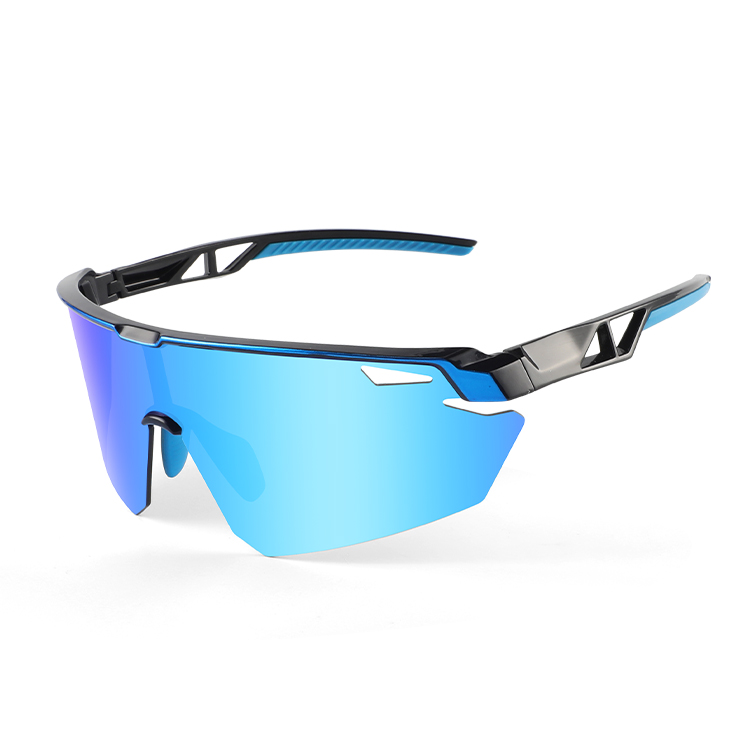
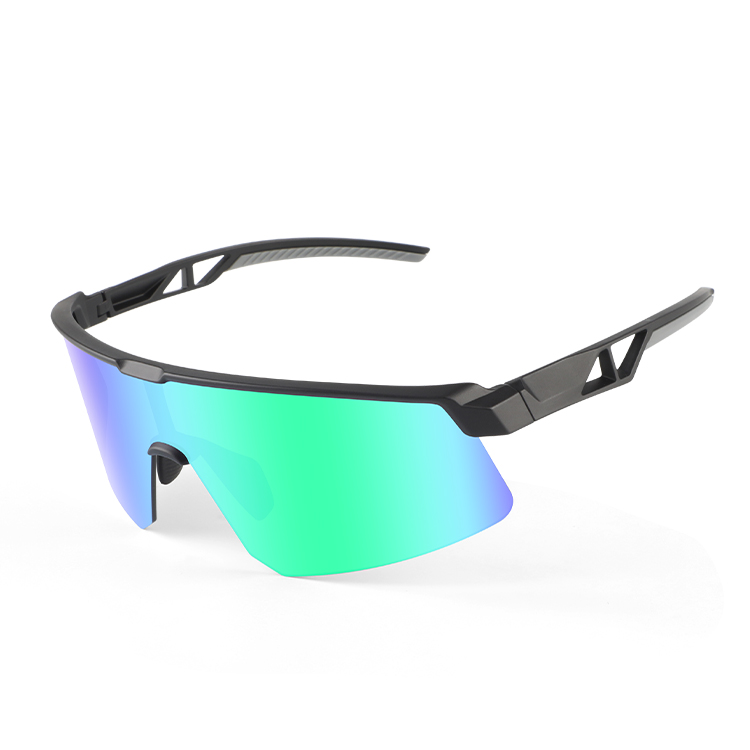
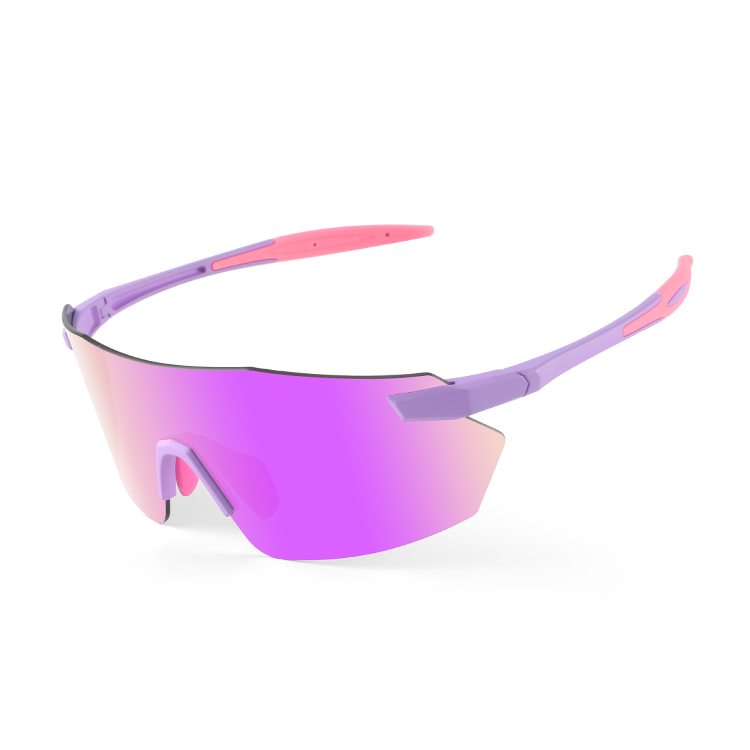
The ability to see well in changing weather is crucial for smooth rides. Nothing disturbs downhill and uphill rides as much as fogged-up lenses. The use of photochromic bifocal cycling glasses means that fogging will not only make viewing distances difficult but also obscure viewing of data from your cycling computer or GPS device. The process of fogging occurs due to the appearance of thousands of micro water droplets caused by the condensation of humid air trapped between the warm skin and a cold optical surface of the lens below its dew point. This physical process requires special measures to ensure that your eyes always have a clear view. Let us find out what causes the fogging process and how to prevent it.
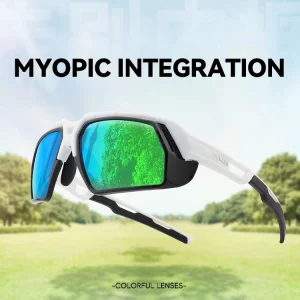
Why Do Photochromic Bifocal Cycling Glasses Fog Up?
Fogging of lenses occurs because of the thermodynamic processes related to temperature, humidity, and no flow of air. If the rider is involved in physical activities, then his skin temperature increases and the rate of evaporation increases. Consequently, the relative humidity level becomes higher than 85%. And when this moisture, being warm, contacts the cooled lens due to outdoor air, the transition of water from vapor to liquid occurs immediately.
Two optical reasons that contribute to fogging for people who use photochromic bifocal cycling glasses are:
- Photochromic Dyes That Are Heat Sensitive: Photochromic dyes, like oxazine or naphthopyran, are incorporated into the optical structure and depend on UV light for darkening. High differences in temperatures will influence the rates at which molecules rotate, forming very small thermal gradients on the lens surface, which promote water vapor collection.
- Segment Design of Bifocal Lenses: The separate section for reading, which is provided in order to give a particular power addition for viewing the handlebars and bike computers, affects the physical shape of the inner surface of the lens. Small irregularities form pockets where water vapor condensation occurs faster.
Ways to Prevent Fogging in Photochromic Bifocal Cycling Glasses
Cleaning Lenses Appropriately Before Each Cycling
The presence of perspiration, skin oils, and airborne road dust creates microabrasions on the lens surface. Such contamination makes it easier for water molecules to condense by reducing the surface energy of the water vapor required for nucleation. Before each cycling activity, rinse the photochromic bifocal cycling glasses using lukewarm water at temperatures of approximately 30°C combined with pH-neutral liquid soap. Avoid the use of harsh household degreasers or alcohol-based liquids because they remove hard coatings and photochromic coating layers. After washing, dry the lenses using a new microfiber cloth.
Using Good Quality Anti-Fog Agents
Hydrophilic anti-fogging agents function by decreasing the surface tension of water molecules from 72 mN/m to below 30 mN/m. Rather than condensing into smaller water droplets that scatter light rays, the condensed water will spread evenly into a thin, transparent water film. When buying the surfactants, always go for the one that is labeled safe for optical resin coatings in order to prevent damage to the photochromic layer.
Modify the Position of the Glasses for Improved Ventilation
Moving your glasses even by 3 mm to 5 mm forward from where they are will create an additional gap between the top rim and your forehead by 15% to 20%. While riding at speeds from 15 km/h to 30 km/h, the air flows above and below the rim, creating a Bernoulli pressure difference that blows away all the humidity before condensation takes place.
Wear Helmets and Gaiters with Ventilation
The exhaled air is hot and humid, with temperature ranging from 34°C to 36°C and humidity near 100%. Ordinary neck gaiters or balaclavas blow this hot air directly upwards towards the eyewear. Use a mask with laser-cut holes or 3D mesh ventilation zones for your mouth and nose area. Make sure your helmet padding does not obstruct the brow vents on your photochromic bifocal cycling glasses.
Key Features to Look for in Anti-Fog Photochromic Bifocal Cycling Glasses
The proper selection of the frame geometry and the lenses will be a key factor in determining how efficient the glasses are in a moist environment. While selecting the photochromic bifocal cycling glasses, one should pay attention to those geometric features that will promote air movement and prevent moist air from getting trapped near your eyes.
These are the main elements to pay attention to while purchasing the frames:
Top and Side Ventilation of the Frame
Holes in the top and side parts of the frame that are physically made and use pressure gradients to extract rising heat from your face. In case you go uphill and ride slowly, less than 10 km per hour, such vents facilitate convection of moisture-free air through the lens.
TR90 Frames with Adjustably Fitting Nose Pads
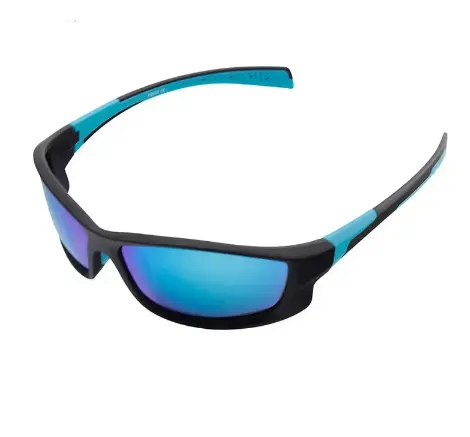
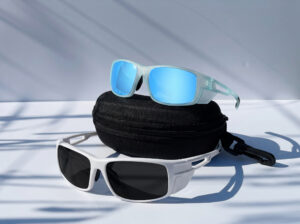
The material and shape of the frame influence the microclimate of the lenses directly. Performance Models such as the XUNQI TR90 Photochromic UV400 Sports Sunglasses incorporate a flexible memory material called TR90 combined with adjustable nose pads. Such a design lets you adjust the exact distance between the lens and the rider’s face by creating an 8mm-12mm space for a continuous linear airflow, while also offering full wind protection for both the distance and bifocal zones of the glasses.
Built-In Hydrophilic Coatings
The application of hydrophilic coatings changes the interaction of water with the surface of resin lenses. Thus, instead of scattering on the surface, moisture is turned into a transparent film upon its first contact with the lens.
Optical Designing with Two Zones
Good quality bifocal bicycle glasses take into consideration the ridge between the distance lens and the zone of lower magnification. This design does not allow air pockets to appear over the reader part of the glasses to ensure the full readability of your bicycle computer even under wet conditions.
Clean and Maintain Your Photochromic Bifocal Cycling Glasses
Besides ensuring proper upkeep of your delicate optical films, adequate care will ensure the longevity and reliable performance of your photochromic bifocal cycling glasses over years of extensive use:
Do Not Subject to Extreme Heat
The photochromic film wears off faster when subjected to heat above 50°C. Do not leave your eyewear inside a car’s dashboard, as high temperature not only impacts the performance of tinting but also of the anti-fog coating.
Do Not Wipe the Dusty Lenses with a Dry Towel
Wiping with dry towels leads to abrasion by rough materials and results in micrometer-sized scratches, not only affecting optical properties but also the anti-fog coating. Rinsing with clean water is necessary before wiping.
Clean the Bifocal Transition Area
Deposits of oils and salts are found in the small ridge region that separates the bifocal part from the main distance lens. Clean the transition area weekly with a soft-bristled microfiber towel or an ultrasonic cleaner with pure water.
Conclusion
Avoiding the problem of fogging up your photochromic bifocal cycling glasses lies in keeping the moisture levels in check, having good airflow, and taking care of your lens coatings. With regular cleaning, using a hydrophilic coating, and opting for frames that ensure proper ventilation, you will enjoy clear vision through your photochromic bifocals in any weather conditions.
If you have any queries regarding the photochromic bifocal cycling glasses selection and care of photochromic bifocal glasses for cycling, feel free to contact XUNQI GLASSES FACTORY, our experts are available round-the-clock to assist you.