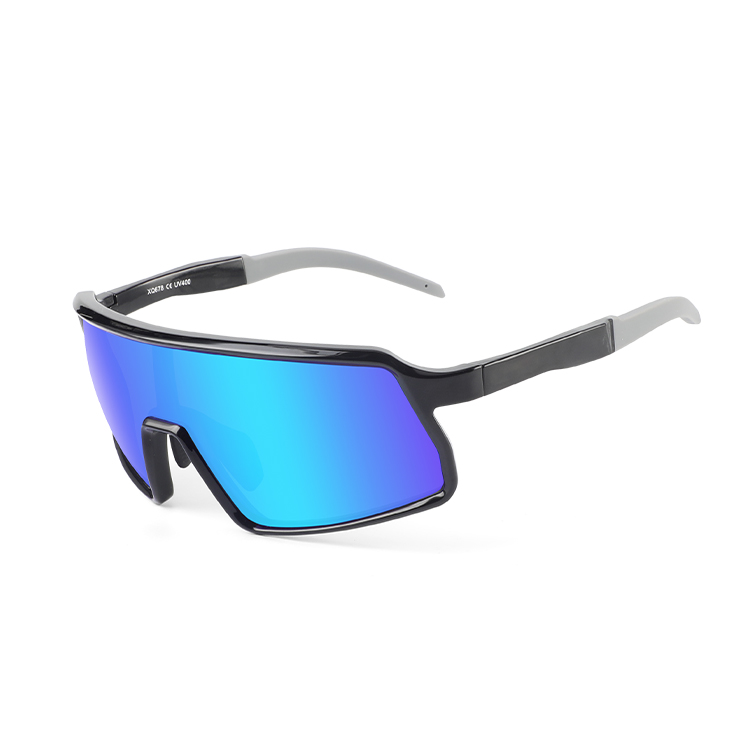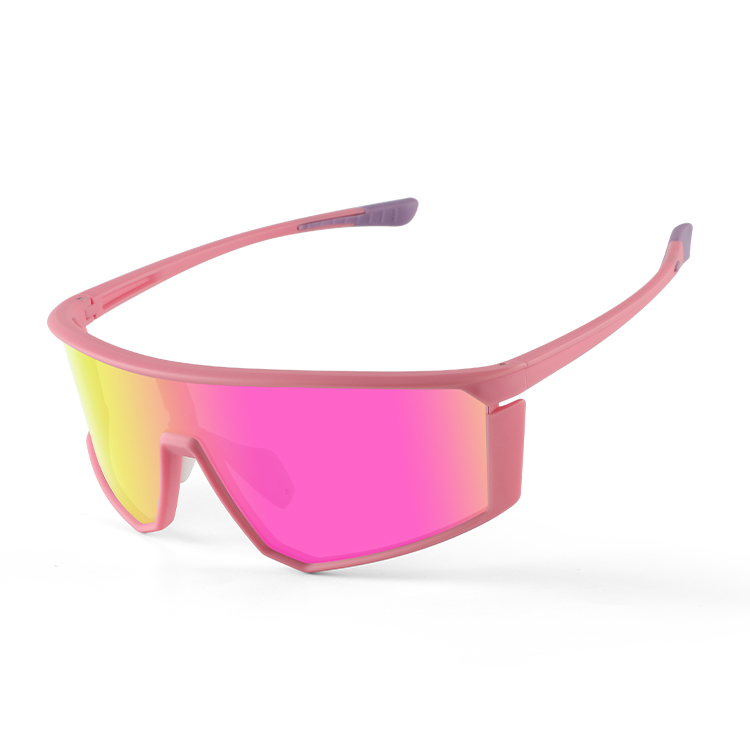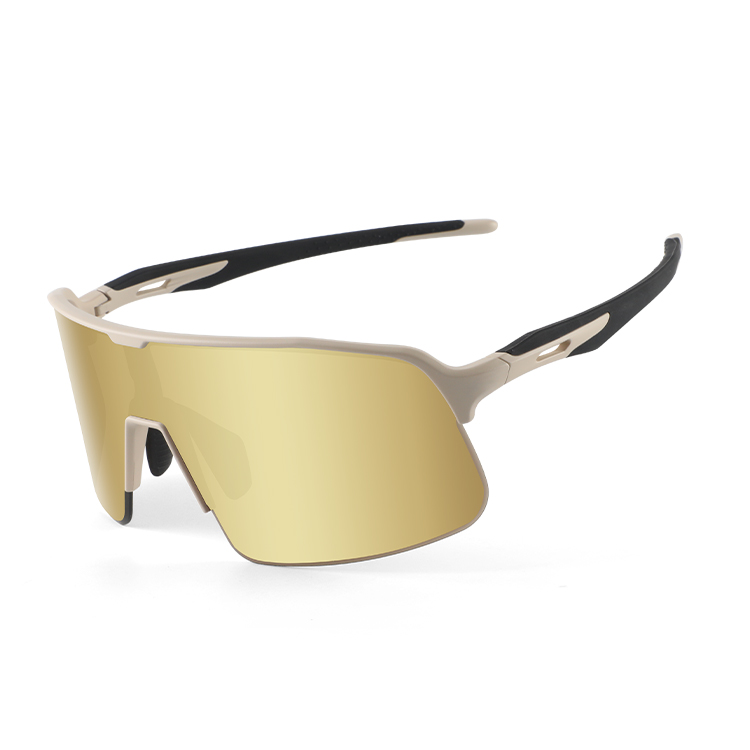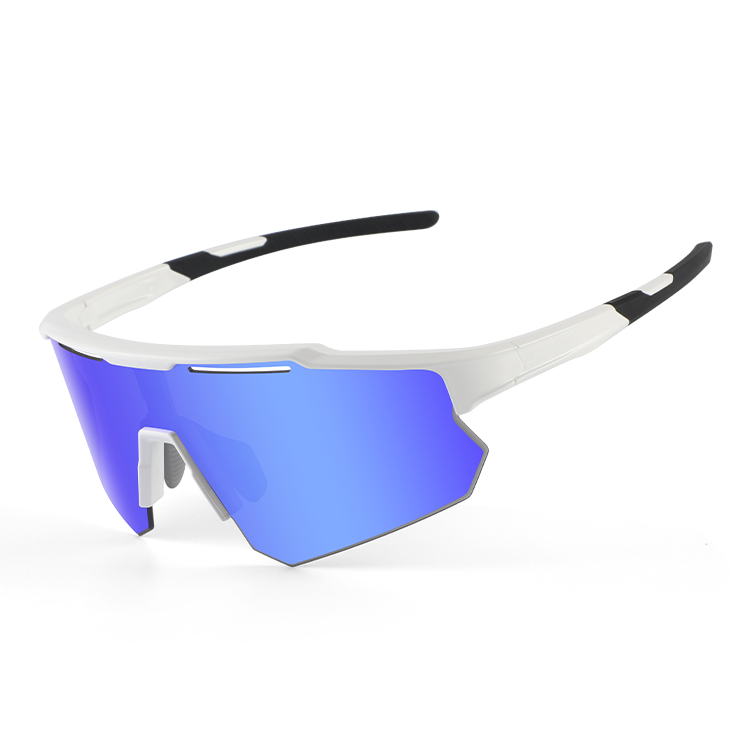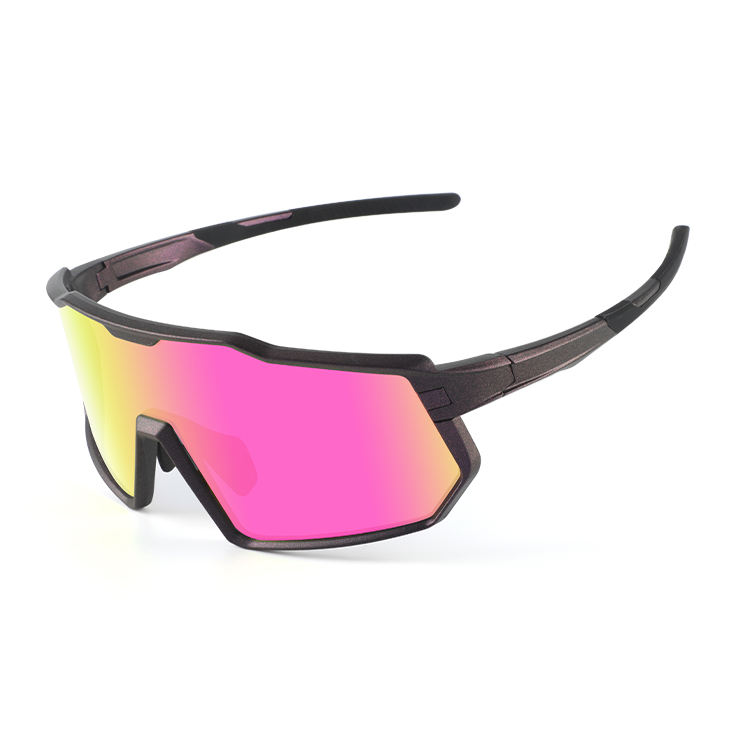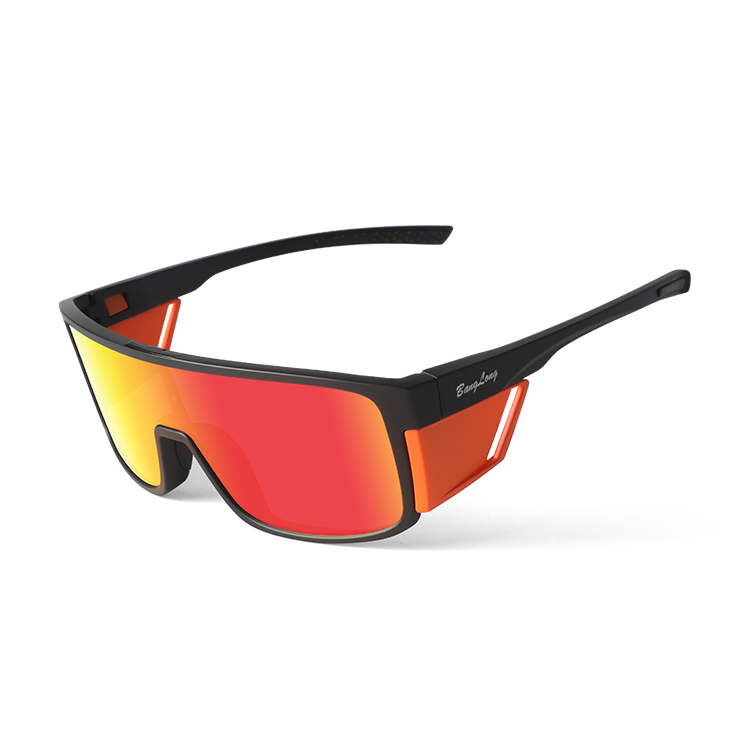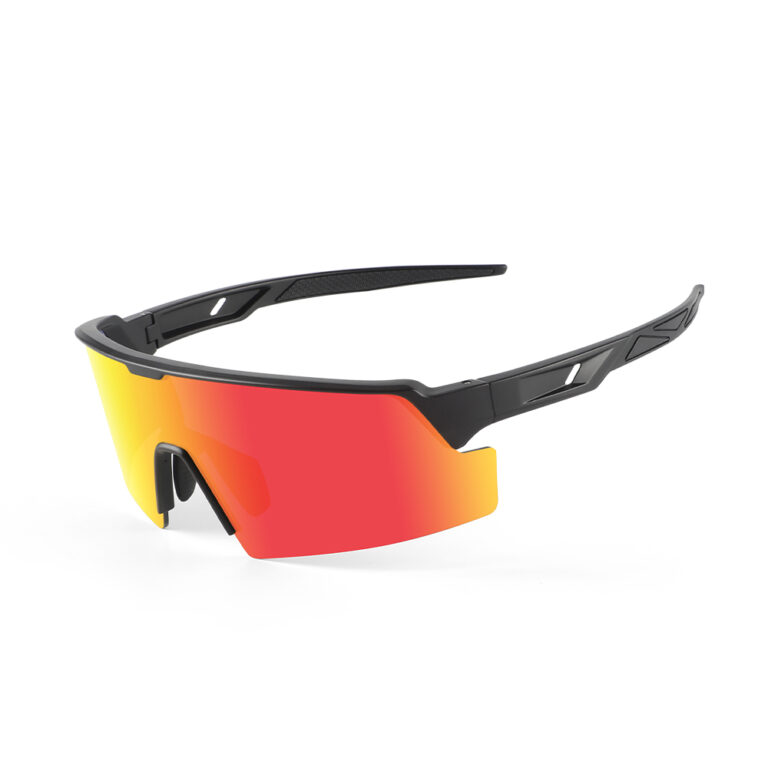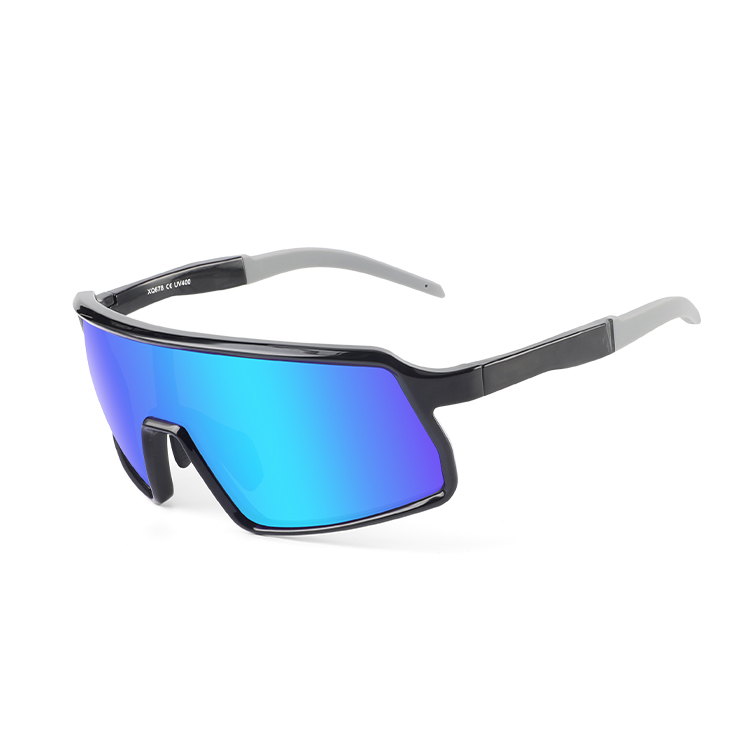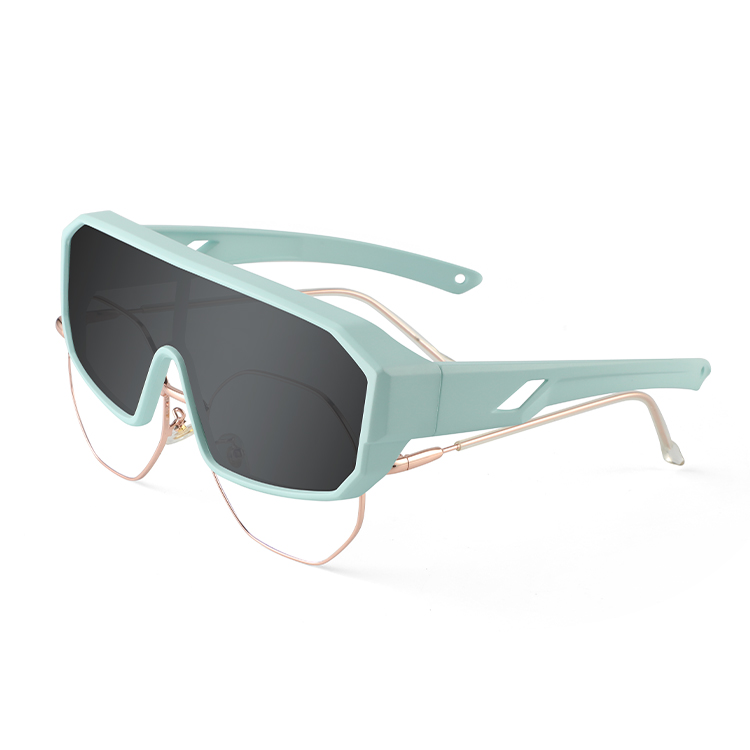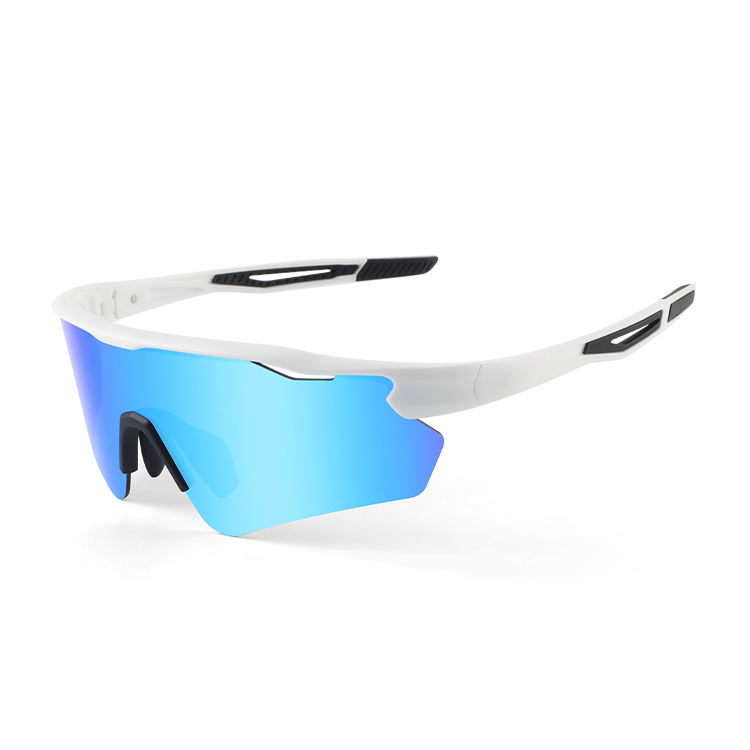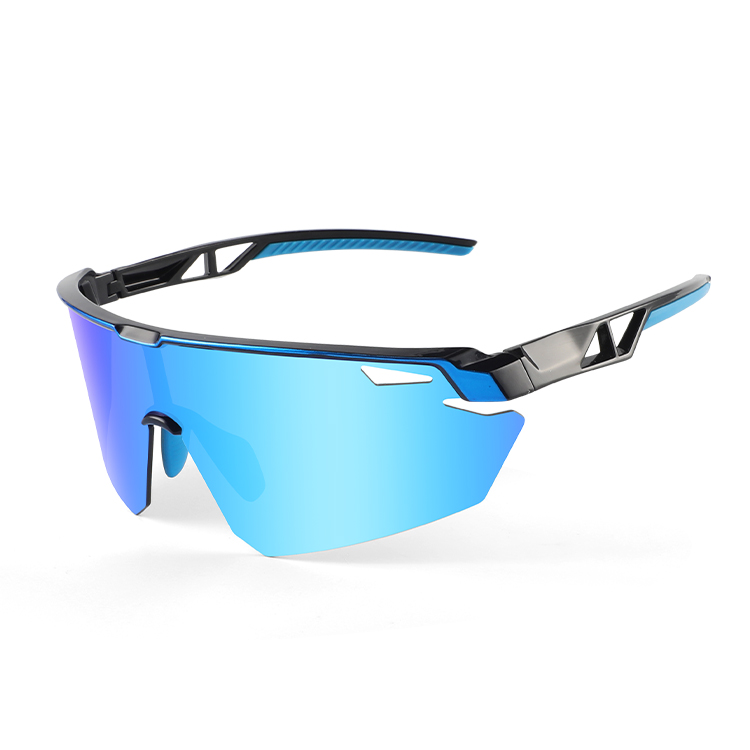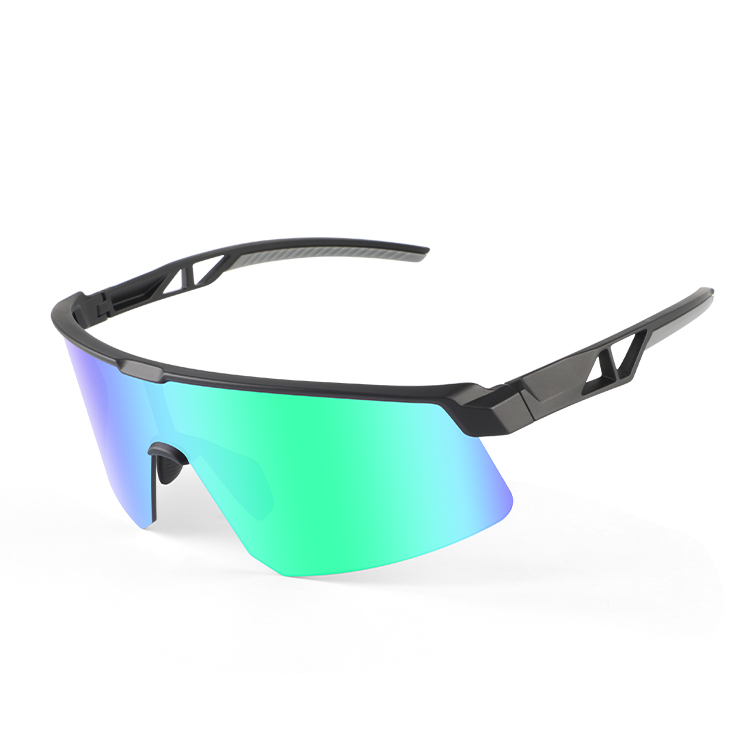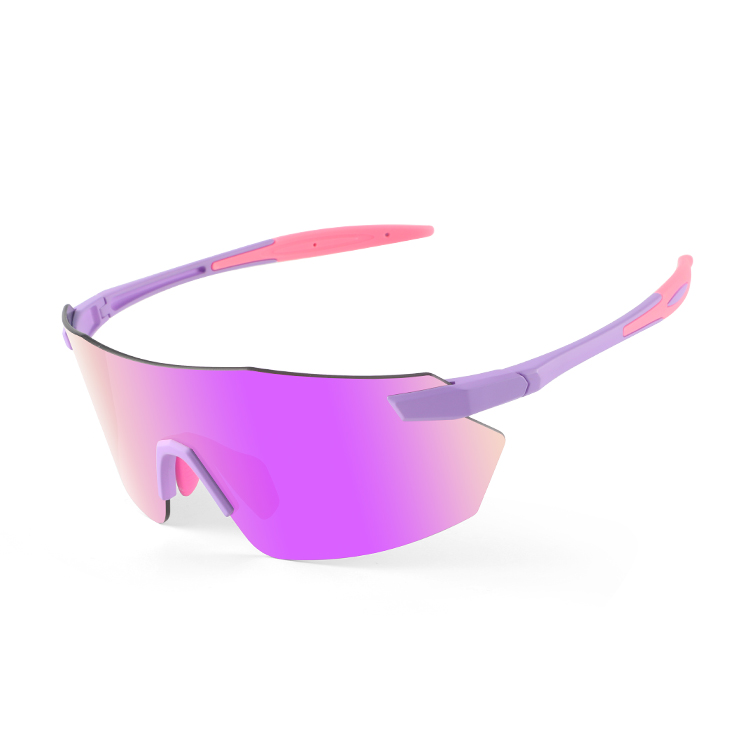











Motocross goggles must function effectively under conditions of dust, mud, vibration, varying lighting, and frequent impact. For companies that are manufacturing Custom Motocross Goggles, the aesthetics are just one of the factors that contribute to the decision about the final product. Frame design, lens, ventilation, fit, strap functionality, and customization are some of the factors to consider when designing appropriate Custom Motocross Goggles.
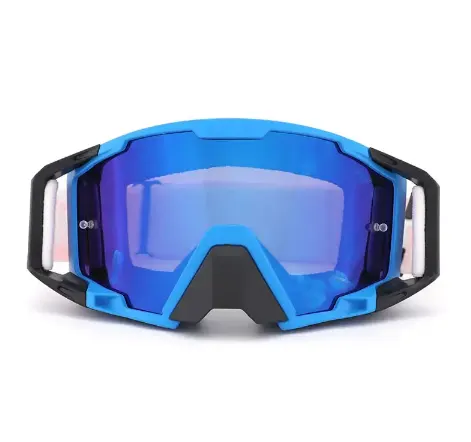
1. What Materials Matter When Choosing Custom Motocross Goggles?
The choice of materials will determine the durability, weight, flexibility, and lifespan of Custom Motocross Goggles. As riders often ride under harsh vibration, impact, dust, and temperature variations, all parts of the glasses must be able to handle tough motocross riding.
Consider Frame Durability and Flexibility
The frame needs to have sufficient flexibility in order to accommodate deformation but without making it too flexible. Thermoplastic Polyurethane (TPU) is normally selected for sports goggle frames since it is flexible and durable. It is important to consider factors such as frame thickness and reinforcement, especially in areas around the lens, nose bridge, and sides of the goggle.
The weight of the goggle is also another practical issue. The lighter the frame, the better, since it will reduce strain after long rides. However, there needs to be a balance between weight and rigidity of the frame.
Evaluate Lens Material and Optical Clarity
The polycarbonate material is popular in making protective sports eyewear due to its high level of impact resistance. Lenses are normally about 1.5–2.0 mm thick for sports eyewear, but again, this depends on construction and standards of testing.
Custom Motocross Goggles should also have optical quality checked in addition to impact resistance. Any distortion, uneven tint, scratching, and misalignment may influence visibility. Testing should, therefore, pay attention to the vision area of the goggles, and not just the appearance of the lenses.
Check Foam and Strap Materials
The face-contact foam influences both comfort and sealing. Foam with a multi-layer construction can combine softness and sweat-absorbency features. An open-cell structure may be considered to control moisture. The foam thickness is normally several millimeters, but the suitable construction depends on frame and face geometry.
The strap should have proper elasticity to maintain its tension and not cause excessive pressure. Anti-slip silicone coating and other solutions may enhance adhesion to the helmet surface. Strap width, elasticity, stitching, and attachment points should be tested with prototypes of Custom Motocross Goggles.
2. What Lens Features Matter for Custom Motocross Goggles?
Lens performance becomes particularly important when riding conditions change rapidly. Sunlight, shadows, dust, and muddy tracks can all influence visibility, making lens selection an important part of product development.
Consider Lens Tint and Light Conditions
Each type of tint works better under certain conditions. Dark gray or smoke lenses will help to decrease glare on sunny days, and amber or yellow lenses will add contrast on overcast days. Clear lenses may work better in low light and at night. The developers of Custom Motocross Goggles could consider adding several types of lenses instead of using one tint only. A multi-lens product configuration may allow riders to select the appropriate lens according to weather, track conditions, and riding time.
Check Anti-Fog and UV Protection
Fogging happens when warm, humid air is trapped inside the goggles, whereas the outer surface is cool. Ventilation serves as the first protection system for fogging, but an anti-fog coating might help as well. It should be tested for its resistance to frequent cleaning of the surface.
UV protection is another basic consideration for outdoor riding. A suitable lens should provide protection against UVA and UVB radiation according to the intended product specification and target-market requirements. The potential buyers of the product need the test documentation for the product.
Evaluate Tear-Off and Roll-Off Compatibility
Motocross riding can quickly cover lenses with mud, dust, or water. Tear-off systems allow riders to remove a dirty film quickly, while roll-off systems provide continuous film coverage for changing track conditions. For Custom Motocross Goggles, compatibility with these systems should be considered during development. XUNQI GLASSES FACTORY’s Custom tear off mx goggles offer a customizable option for brands seeking tear-off designs. The mounting system should remain secure, while the film should move smoothly without affecting visibility.
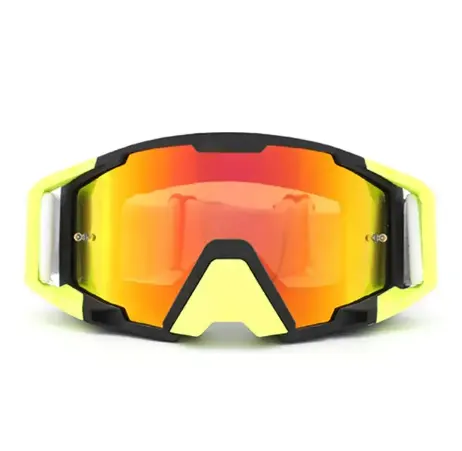
3. What Fit Factors Matter for Custom Motocross Goggles?
Even a technically well-developed goggle may function inadequately in case of a bad fit. Fit influences peripheral vision, face pressure, ventilation, and the stability of the goggles during travel over rough surfaces.
Consider Frame Size and Face Coverage
The goggle’s frame needs to give enough coverage of the eyes and, at the same time, to avoid too much pressure on the nose and cheekbones. A wider goggle frame can ensure better coverage and provide more field of vision, but it needs to stay within reasonable limits regarding motocross helmets.
In the design of Custom Motocross Goggles, manufacturers should consider parameters such as lens height, frame width, clearance over nose bridge, and side coverage. Prototype testing with several face shapes can reveal pressure points that may not be obvious from technical drawings alone.
Check Foam Comfort and Ventilation
The foam should fit tightly, but the ventilation openings should be enough to prevent excessive fogging of the lenses. Too many openings can let a lot of dust into the goggles. Testing should cover different riding speeds and environmental conditions to determine whether airflow is sufficient without reducing protection from dust and debris.
Evaluate Strap Grip and Adjustability
A motocross goggle needs to remain stable during acceleration, jumps, braking, and rough terrain. The strap should provide adequate elasticity and adjustment range for different helmet sizes. A wider strap can also distribute tension more evenly across the helmet. For brands sourcing Custom Motocross Goggles, strap testing should include repeated stretching and fitting cycles. Buckles, attachment points, stitching, and anti-slip elements should remain secure after repeated use rather than only during initial fitting.
4. What Customization Options Matter for Custom Motocross Goggles?
Customization allows a brand to create a recognizable product rather than simply selecting an existing catalog model. However, visual changes should remain compatible with the technical structure of the goggle.
Customize Frame Colors and Graphics
Frame colors can be matched to a brand’s existing product range or a particular motocross team. Different decoration techniques, such as injection molding, surface printing, etc., can be considered based on the product design and materials. It is important to ensure that graphics do not overlap with ventilation holes, lens view, and structural parts. It is recommended to provide precise references of colors and artwork while developing the product to avoid discrepancies between the approved sample and mass production.
Add Logos and Brand Designs
The logo placement can be considered among the most popular requirements for custom-made eyewear. Logos can be printed or marked on frames, the lens area, straps, etc. It is necessary to choose a decoration technique that suits the material of the surface and wearing conditions. For Custom Motocross Goggles, branding should remain visible without becoming visually excessive. Brands should also check logo dimensions, positioning, color accuracy, and adhesion during sample approval before confirming larger production quantities.
Customize Straps, Packaging, and Accessories
Customization can go further than just decorating goggles. Straps, packaging, etc. can have logos, patterns, team graphics, etc. Branded boxes, bags, cloths, stickers, and instruction cards can be used for packaging. Proper packaging allows achieving the uniformity of products sold through various distribution channels. While ordering bulk goggles, brands should clarify all requirements regarding packaging and accessories before manufacturing.
5. Conclusion
The choice of Custom Motocross Goggles needs consideration of performance as well as brand specifications. Factors like flexibility of frame, materials of the lenses, optical properties, anti-fog capabilities, ventilation, foam design, strap stability, and customizability need to be evaluated as an integrated whole, not individually.
The formulation of a detailed specification sheet will help to compare different suppliers in terms of dimensions, materials, functionality of lenses, branding specifications, packaging, testing standards, and order quantity. For any queries related to product development, OEM/ODM requirements, and Custom Motocross Goggles, one can contact XUNQI GLASSES FACTORY.
.webp)