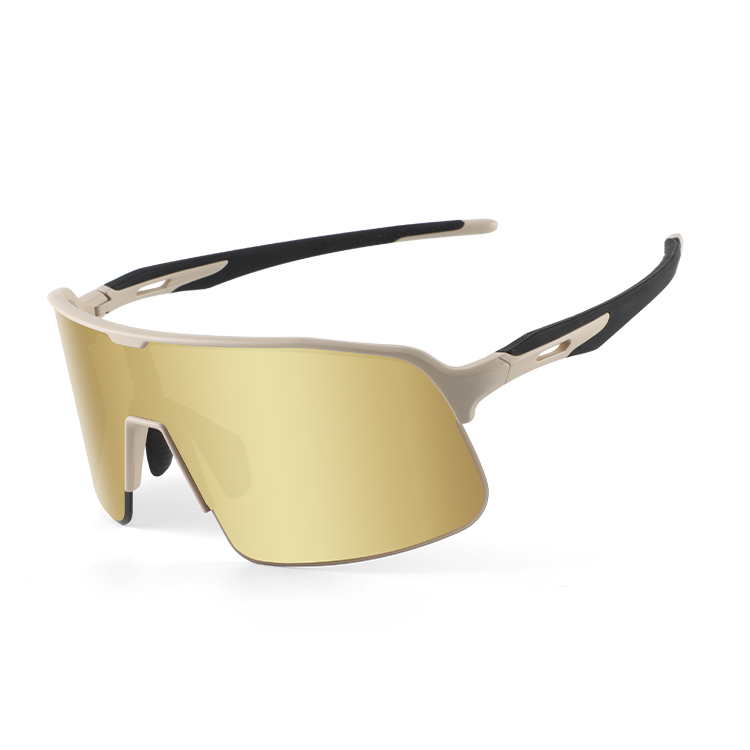
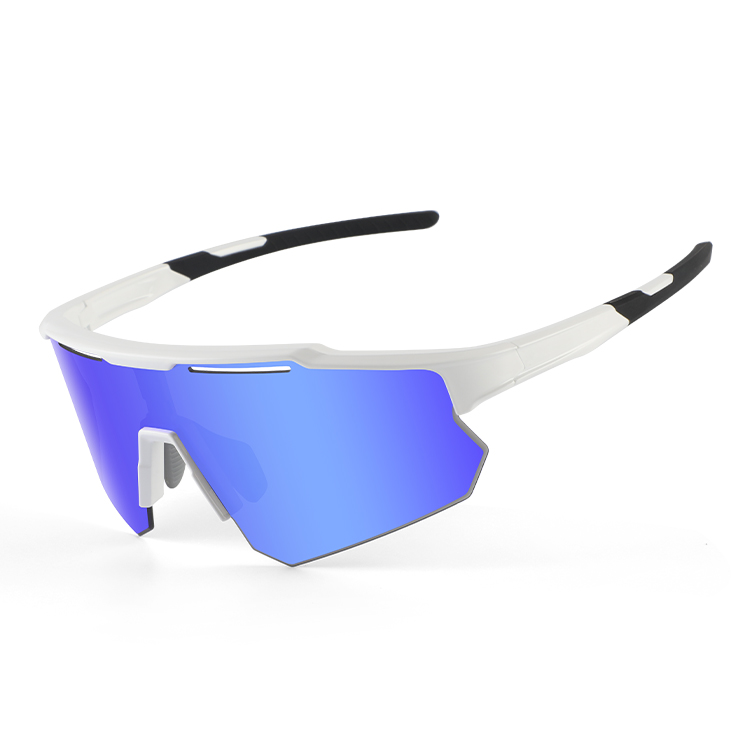
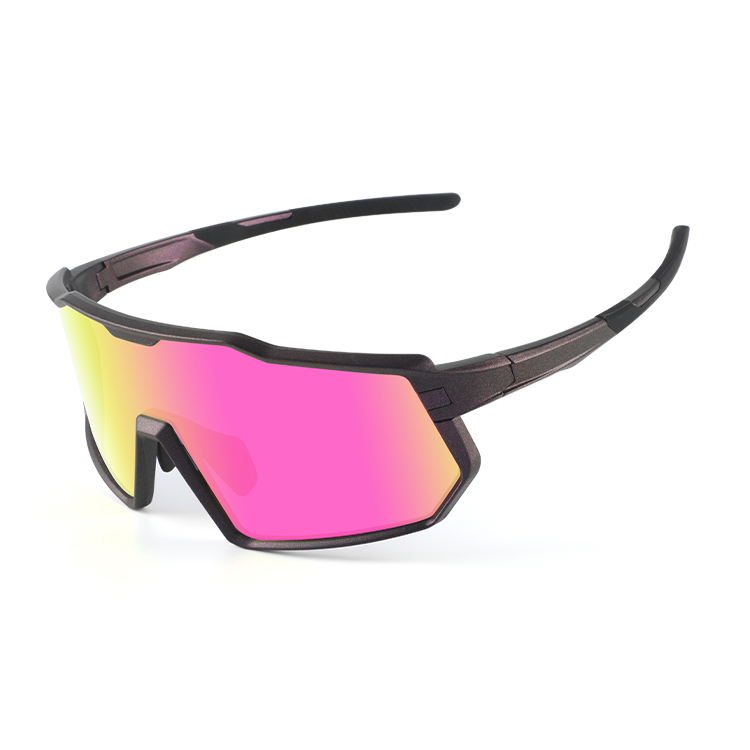
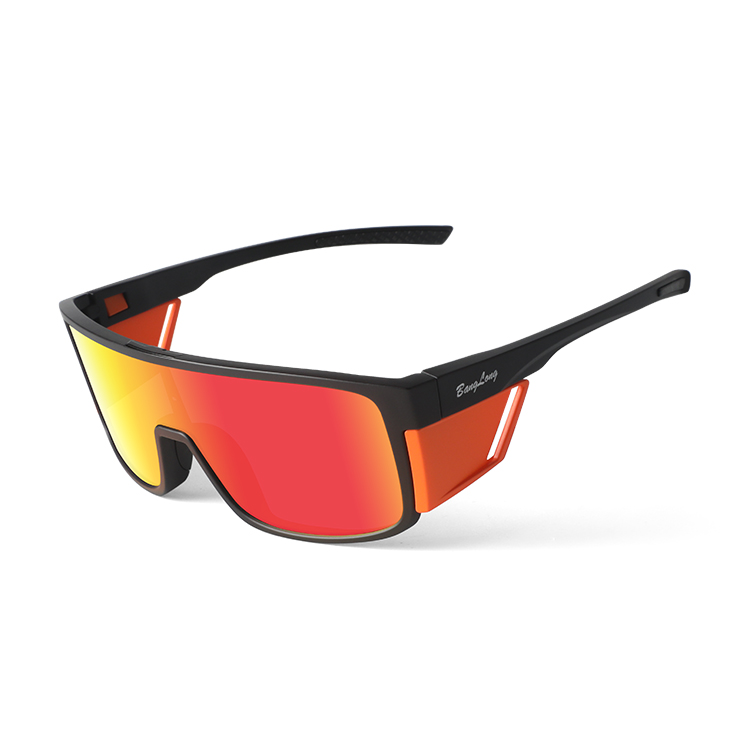
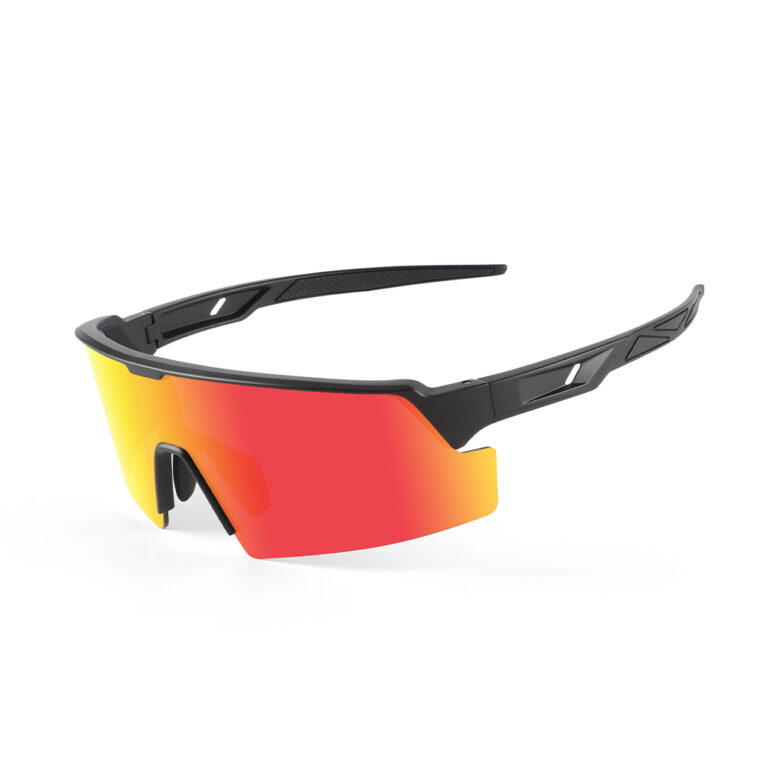
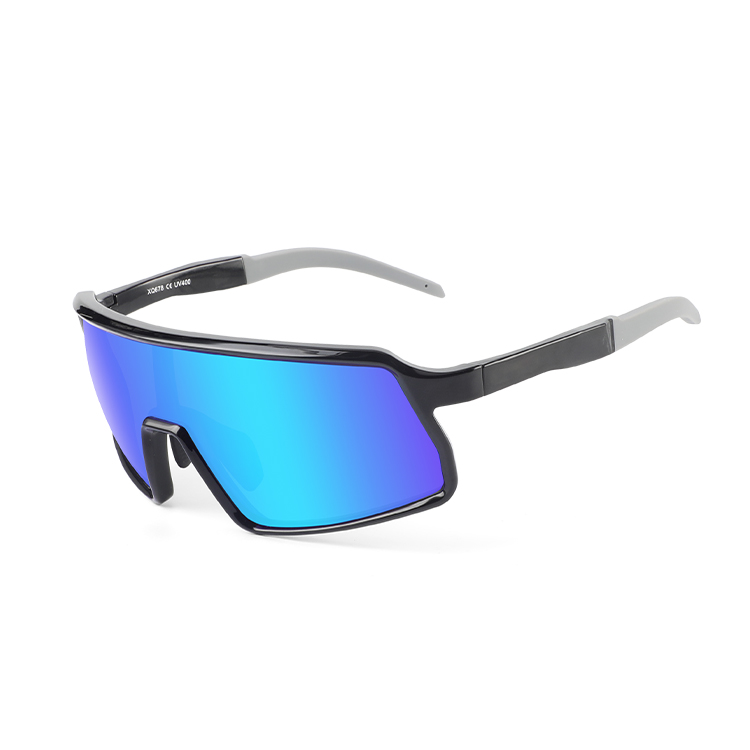
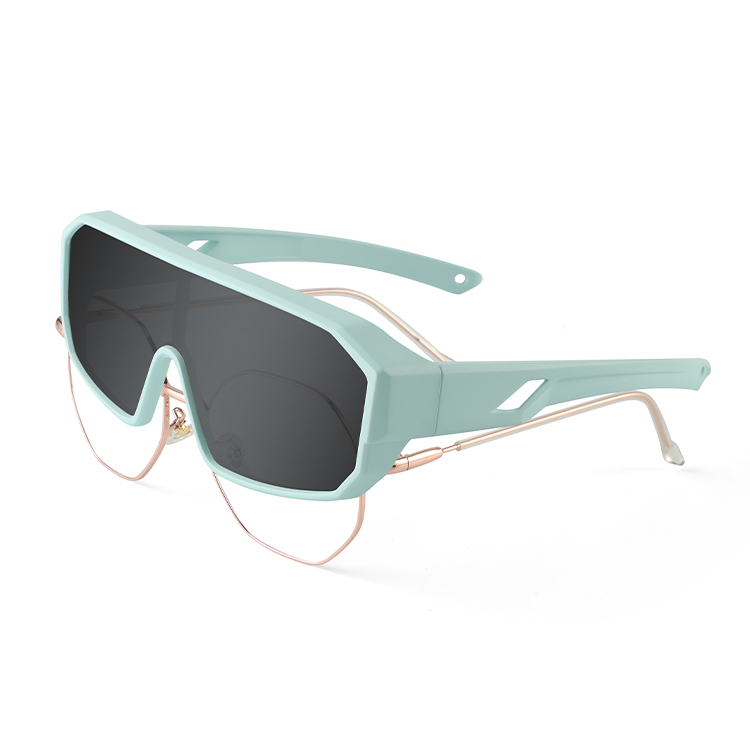
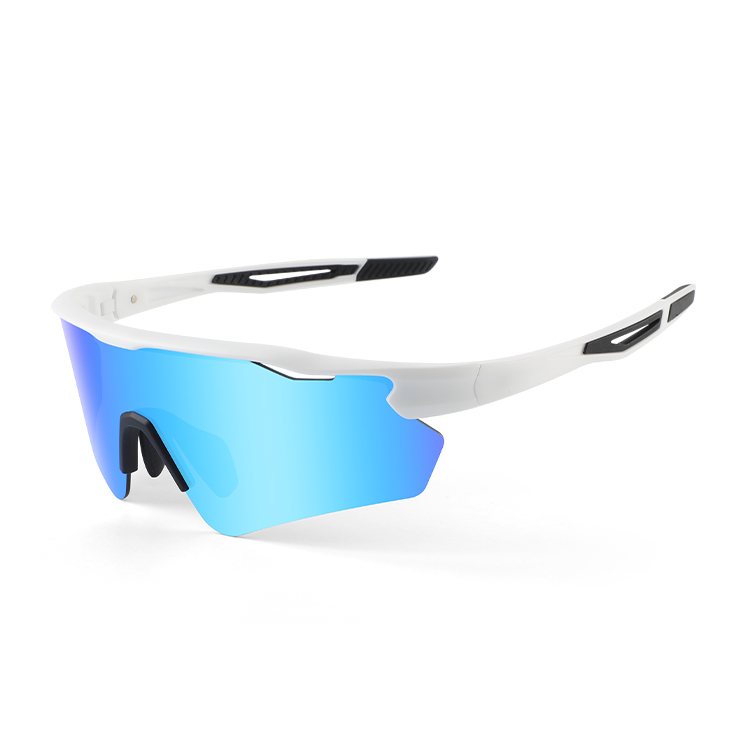
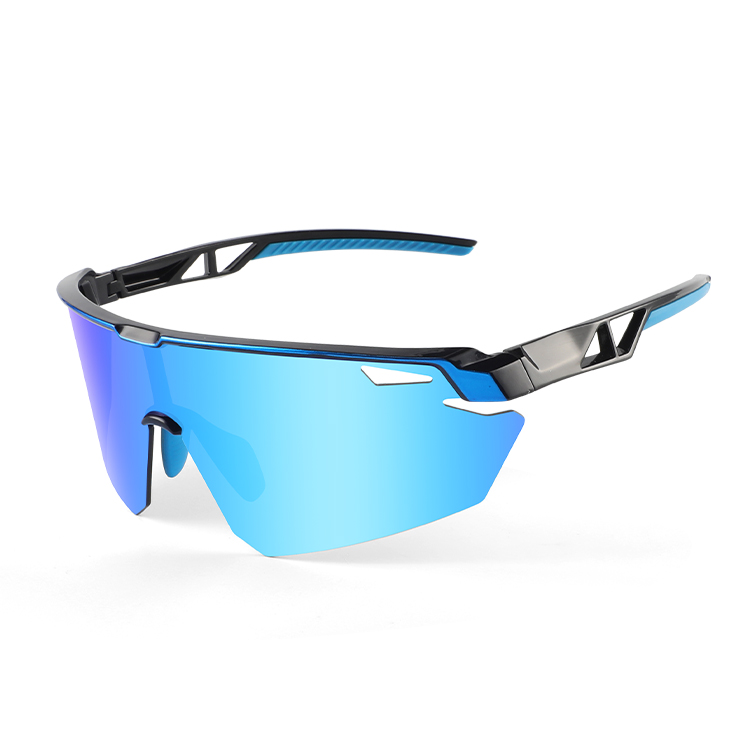
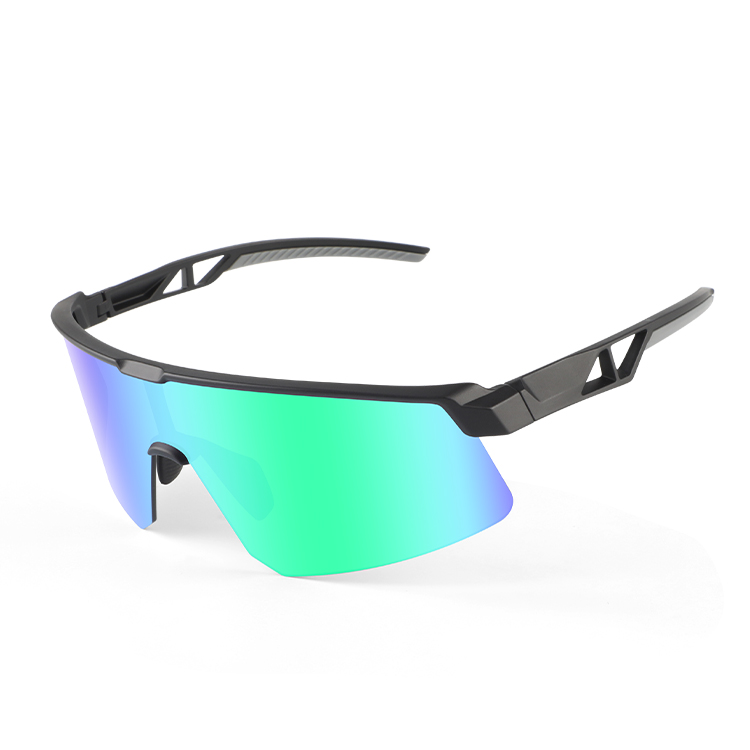
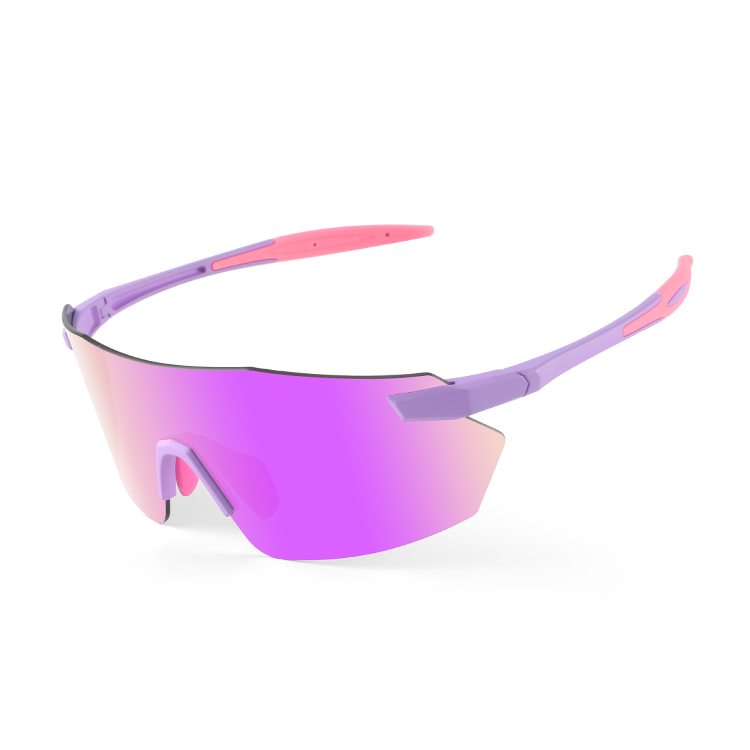
For a golfer to determine the slope of the green, grass patterns, and putting lines, they must have perfect vision. Nevertheless, sunlight and its reflection tend to complicate the viewing of such surface elements, especially when one is playing outdoors. Polarized Glasses for Golf are aimed at reducing reflected light and improving a person’s visual perception. At the same time, they might alter the way a golfer perceives the surface.
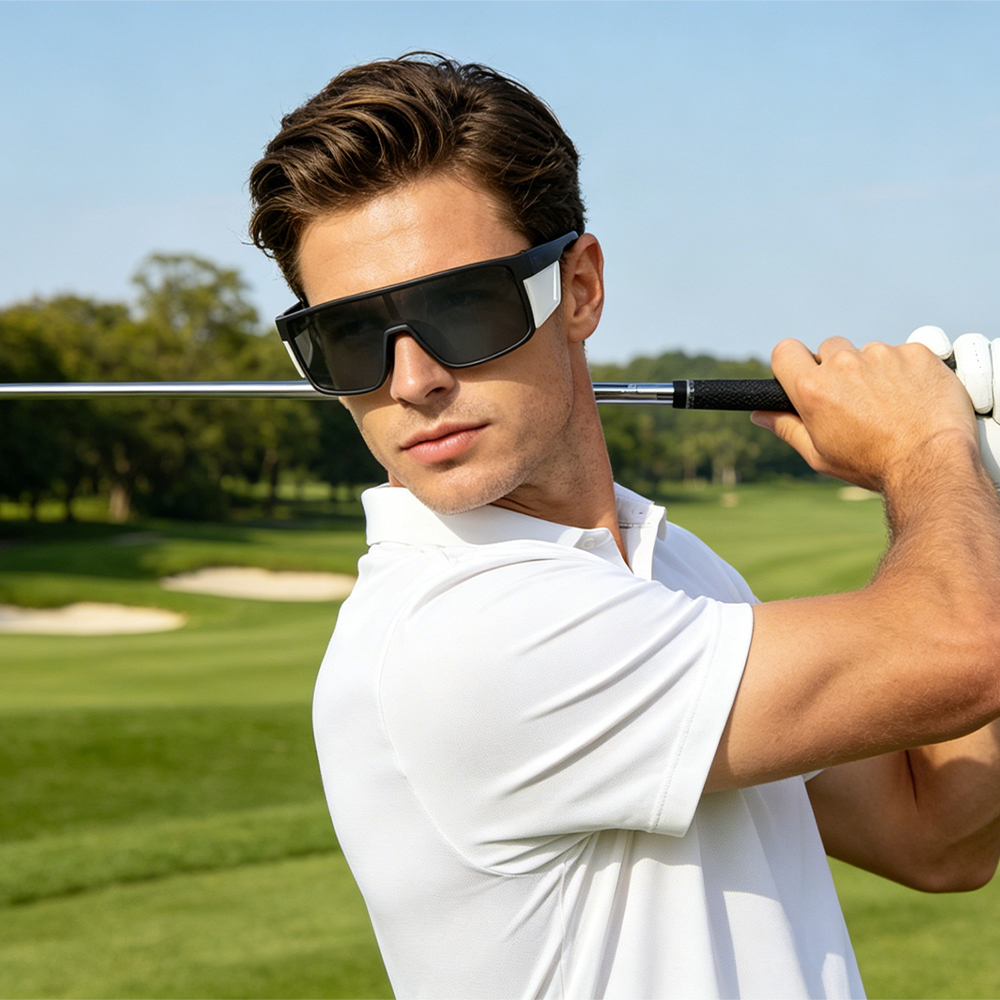
1. How Do Polarized Glasses for Golf Work?
How Polarized Lenses Reduce Sun Glare
Light may be reflected from smooth or nearly flat surfaces, resulting in glare that makes vision uncomfortable. On the golf field, glare may come from reflections on wet grass, water hazards, and other surfaces. The reflected light may cause visual distraction as the golfer watches the ball or views the course.
Polarized glasses have a particular filtering effect by which most horizontally reflected light is blocked, and other forms of light pass through the lens. This helps to block glare; Polarized Glasses for Golf may assist golfers who play in very bright conditions to be more comfortable in their visual experience. The process of polarization does not mean blocking all light and does not necessarily mean improving vision in all ways.
How Polarized Lenses Affect Light and Contrast
Polarized lenses affect the quantity and direction of light entering the eyes. When combined with the lens tint, they can affect the perceived brightness and contrast of images.
The following three aspects are especially important:
- Light transmission: It affects the amount of visible light transmitted by the lens.
- Lens tint: It affects the brightness and color of images.
- Polarizing filter: It blocks specific reflected light that creates glare.
All of the above combine to produce the viewing experience. For instance, a dark lens may provide comfortable viewing under the bright sun, but could make it difficult to see in the shaded area. Hence, golfers should pay attention to both polarization and tint when selecting lenses.
2. How Do Polarized Glasses for Golf Influence Green Reading?
How Reduced Glare Improves Visibility on the Green
Glare could make it uncomfortable to look at the highly illuminated green. Reflective light from the wet grass and nearby water bodies could also be a distraction for golfers when looking at the green.
The use of Polarized Glasses for Golf in such cases can help to eliminate this problem, as these glasses filter out the reflected light. This can allow golfers to view the green without having to adjust their position due to the bright reflection. However, just because there is no glare does not mean that it becomes easy to spot all the breaks and slopes.
How Lens Polarization May Affect Grass and Surface Details
Reading a green requires a keen eye to be able to spot differences in the orientation, texture, and reflections of the grass. This knowledge could help players know how the ball will react once it is hit.
As polarized lenses are known to block reflected light selectively, they may distort certain surface reflections that players could observe. Players might see differences when analyzing wet grass, as well as illuminated and shaded areas.
It is not suggested that polarized lenses will always obscure grass patterns and cause difficulty with green reading. It all depends on the player’s choice of lens style and tint and lighting conditions. Players must check their Polarized Glasses for Golf on a practice green before playing with them.
How Visual Changes May Influence Putting Line and Distance Judgment
Putting in golf involves estimating the direction, speed, and distance at which the ball moves on the putting green. Changes in the slopes and elevation of the surface could also affect the ball’s trajectory.
While polarization itself doesn’t make any difference in terms of distance and slopes, differences in luminosity can play a role in the perception of the green surface by some golfers. Moreover, a lens that is too dark or inappropriate for the existing illumination could also affect the perception of the terrain. By comparing their results with and without polarized lenses, the golfers can choose whether they should continue using the glasses when analyzing the green surface.
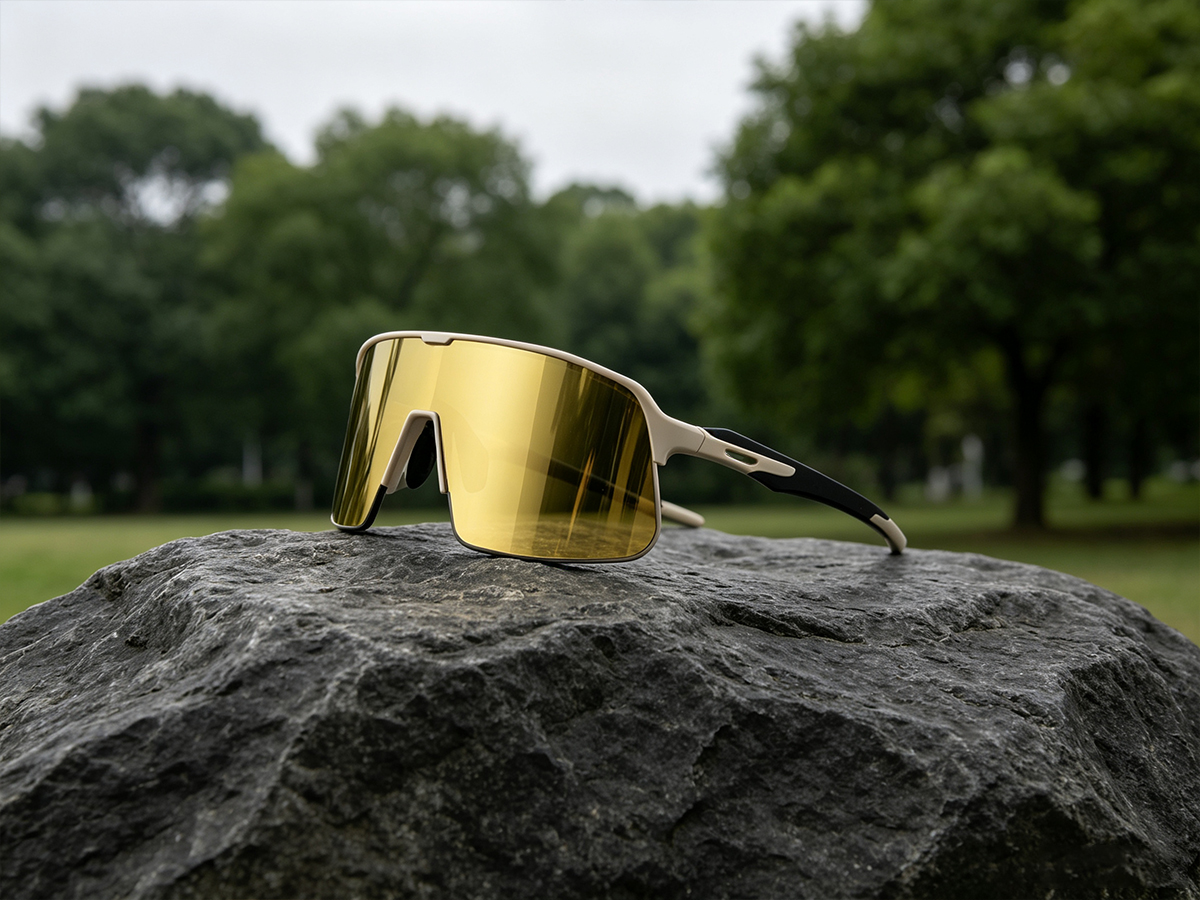
3. What Lens Features Matter When Choosing Polarized Glasses for Golf?
Lens Colors for Different Golfing Conditions
The color of lenses affects vision and visual experience. Various lens colors can be appropriate for various outdoor settings, but the choice is subjective and depends on other factors, too.
| Lens Color | Common Characteristics | Potential Golfing Use |
| Gray | Maintains relatively natural color perception | Bright, sunny conditions |
| Brown | Can enhance perceived contrast | Variable outdoor lighting |
| Amber | Provides a warmer viewing appearance | Overcast or changing light |
| Green | Balances brightness and color appearance | General outdoor use |
Players need to take into consideration whether they can see the grass, ball, and surroundings clearly when they choose Polarized Glasses for Golf. Experimenting with different colors in practical situations on the field is better than choosing one tint that suits everyone.
Lens Tint and Light Transmission
Visible Light Transmission (VLT) indicates the fraction of visible light that passes through the lens. The higher the VLT number, the more light reaches the eyes, whereas the lower the VLT number, the darker it becomes. According to ISO 12312-1, sunglasses filters are categorized based on their level of light transmission:
- Category 1: 43% – 80% VLT (limited light reduction);
- Category 2:18% – 43% VLT (moderate light reduction);
- Category 3:8% – 18% VLT (for intense sun);
- Category 4: 3% – 8% VLT (for very intense light but not for driving).
Categories 2 and 3 lenses can be considered for some outdoor situations on the golf course, depending on the strength of the sunlight. Golfers should avoid too dark lenses in case of varying light or switching from sunny to shaded areas.
UV Protection and Lens Quality
Polarized glasses and UV ray protection are separate properties. While polarization filters glare from sunlight, it does not necessarily shield the wearer’s eyes from harmful ultraviolet radiation.
When buying Polarized Glasses for Golf, choose lenses with UV400 or 100% UVA and UVB protection. According to FDA guidelines for sunglasses, UV400 protection is considered better since it blocks more than 99% of both kinds of UV radiation.
Other important features include:
- Optical clarity: Assists in ensuring clear vision without any distortion.
- Scratch resistance: Ensures the longevity of the lens when used outdoors regularly.
- Impact resistance: Ensures extra protection while playing sports.
- Comfortable fit: Ensures that the glasses do not slip while walking, swinging, and putting.
- Frame coverage: Assists in reducing sunlight from entering through the sides of the lenses.
A lightweight, comfortable fit ensures that Polarized Glasses for Golf are comfortable for prolonged periods. Players must also ensure that they pay attention to lens quality and product specifications instead of relying on looks and prices.
4. Conclusion
Use of polarized lenses may aid in minimizing reflected glare and enhance vision on the golf course on a sunny day. Nevertheless, variations in levels of brightness and surface reflection may influence the way some golfers perceive grass features and determine putting lines. Lens color, light transmittance, and UV protection are key factors to evaluate.
To buy Polarized Glasses for Golf, it is important to evaluate various types of lenses when playing and compare the results when reading greens and putting. If you have questions about lens materials, polarization, customization, or product specifications, feel free to contact XUNQI GLASSES FACTORY for further assistance.