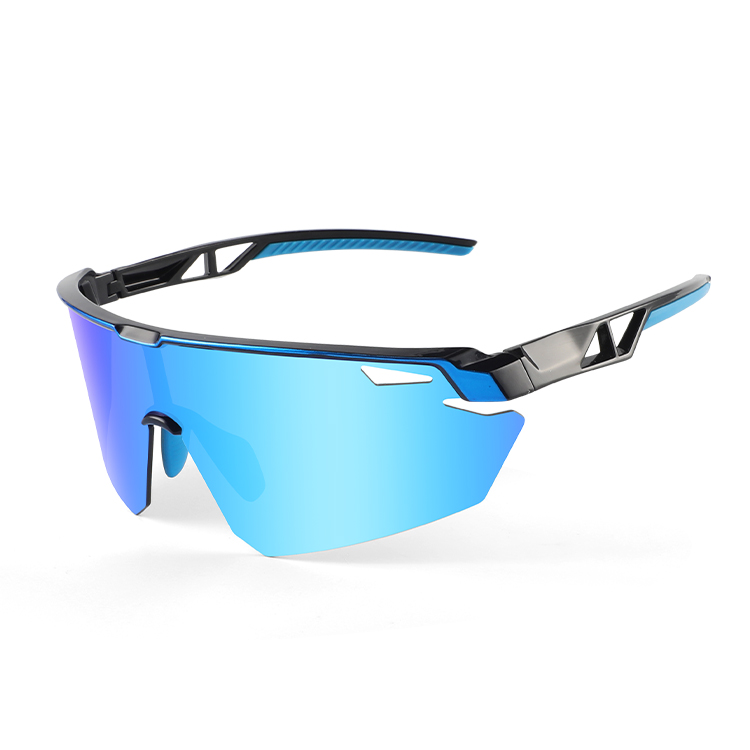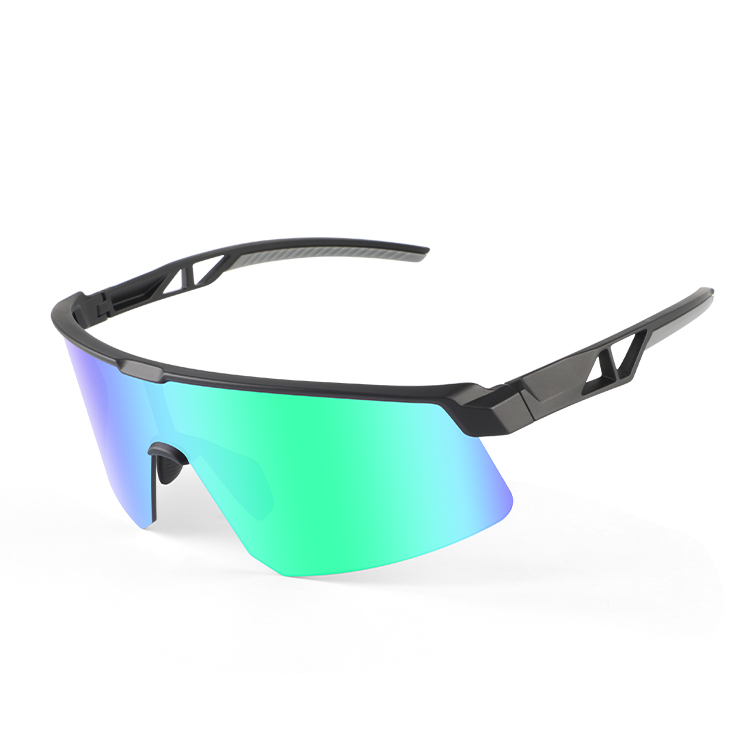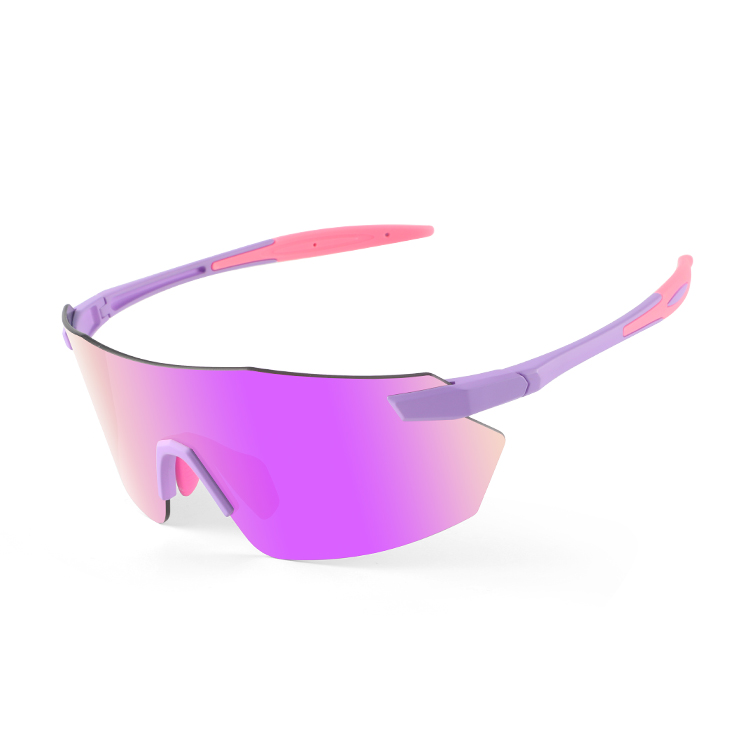












Vision quality is the key factor for fishing outside, as it allows noticing the movements of the fish and knowing what is going on under the water. It is especially true in the case of high glare in lakes, rivers, or sea fishing when the help of good sunglasses will be highly effective.
Unlike regular sunglasses, professional fishing eyewear focuses not only on UV protection but also on polarization and enhanced visual contrast.
1. Core Functions and Optical Principles of Men’s Polarized Fishing Sunglasses
Before selecting eyewear, it is important to understand how fishing sunglasses actually work. They are not just sun protection tools but optical devices designed to improve outdoor visual performance.
 1.1 Fundamental Optical Structure
A typical fishing sunglasses system includes:
- Polarized lenses to reduce water surface glare
- UV400 protection coating blocking 99%–100% UV rays
- Multi-layer HD optical lens structure
- Impact-resistant frame materials
- Ergonomic design for stable wearing
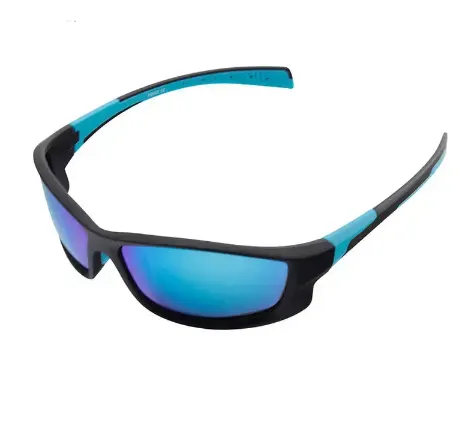
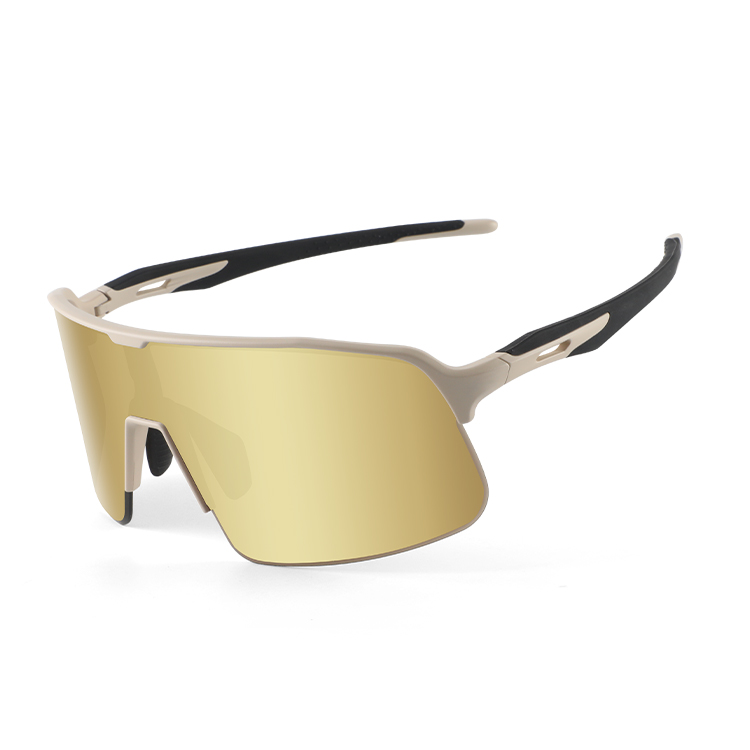
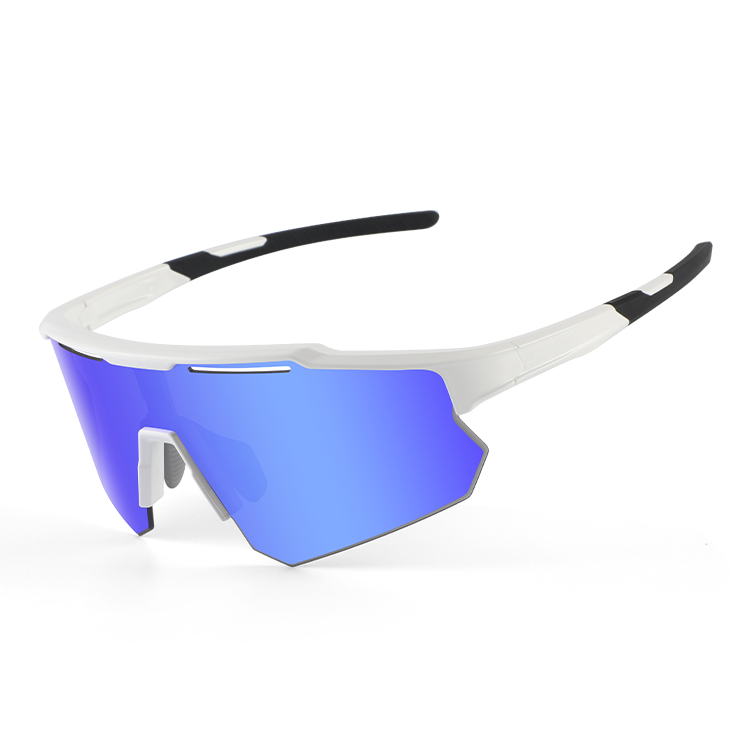
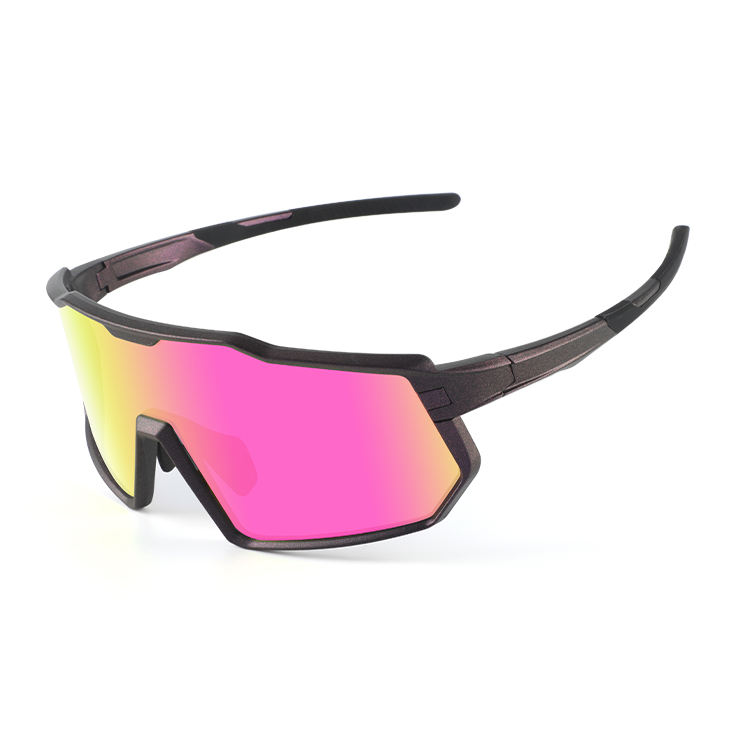
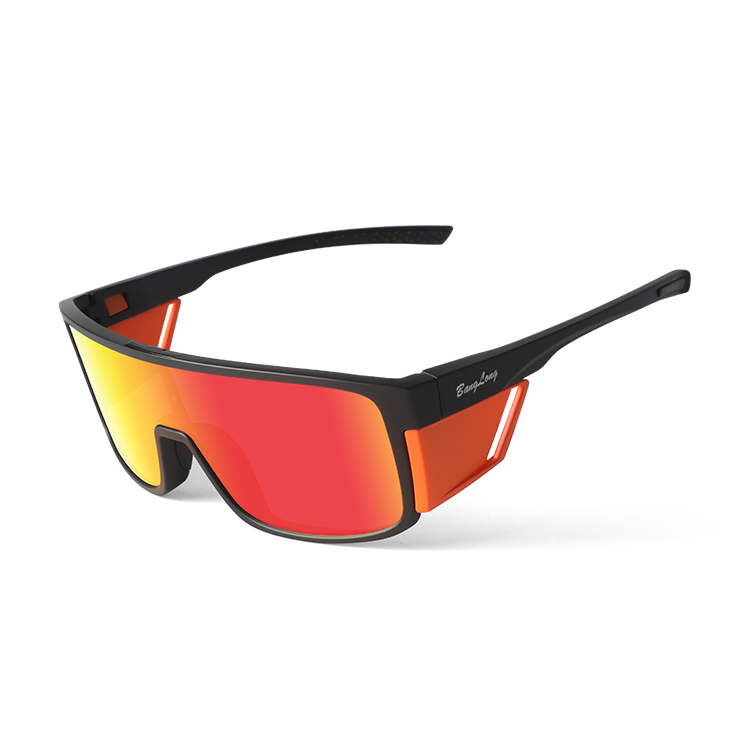
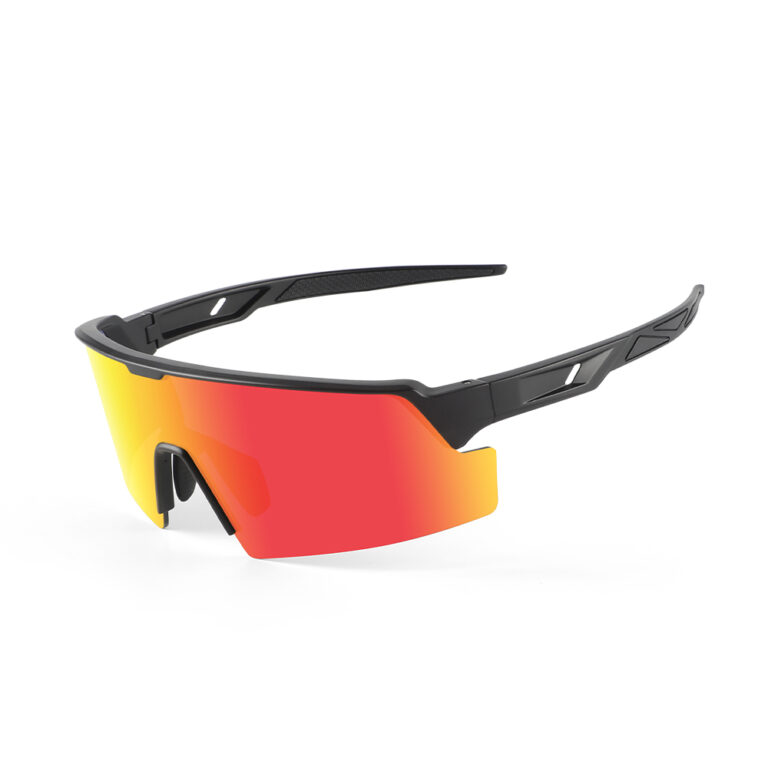
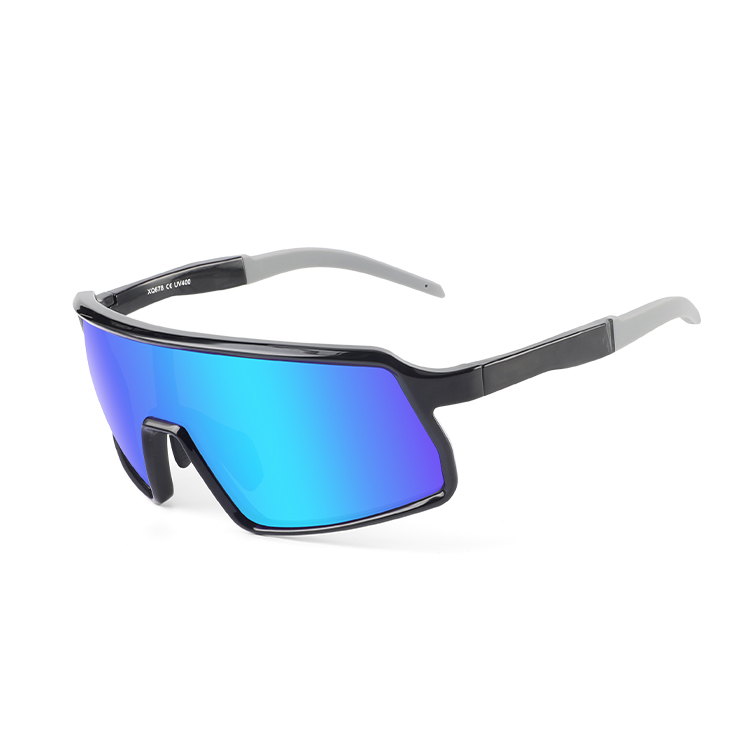
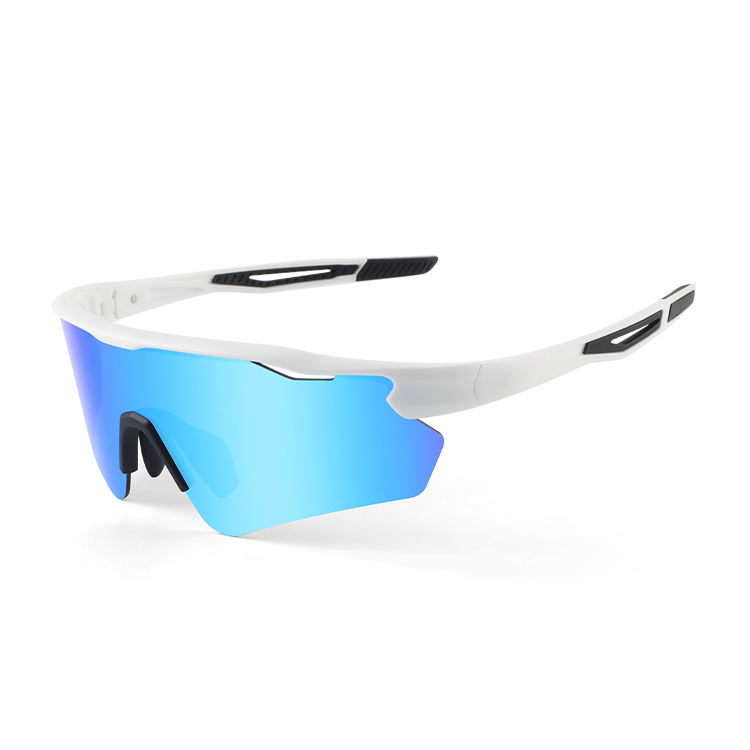
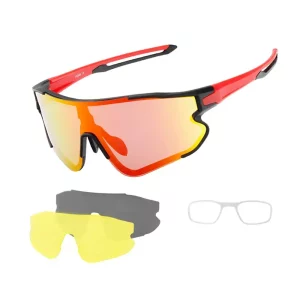
For example, some interchangeable polarized men’s fishing sunglasses allow anglers to switch lenses depending on weather conditions, making them suitable for both bright sea fishing and cloudy river environments.
Under strong sunlight, polarized lenses can filter most reflected glare from the water surface, helping users see underwater structures and fish movement more clearly.
2. How to Choose the Right Men’s Polarized Fishing Sunglasses Step by Step
Selecting the right pair should always be based on real fishing conditions rather than appearance alone.
2.1 Step One: Understand Your Fishing Environment
Different environments require different optical performance:
- Bright sea or lake fishing with strong reflection
- Early morning or evening low-light conditions
- Mixed environments with shadows and sunlight
As another example, during fishing activities under direct exposure to the sun, fishermen generally have a preference for wearing glasses that have polarized lenses because they reduce glare.
2.2 Step Two: Choose the Right Lens Type
Lens selection directly affects visual performance:
| Lens Type | Function | Scenario |
| Polarized lenses | Reduce surface reflection | Open water fishing |
| Contrast-enhanced lenses | Improve detail visibility | Murky or cloudy water |
| Dark-tinted lenses | Block strong sunlight | Summer outdoor fishing |
In practical use, many anglers choose models with HD multi-function lenses, which combine clarity enhancement and glare control in changing light conditions.
3. Frame Design and Wearing Comfort
Because fishing can take several hours, comfort is equally essential as optical functions.
A well-designed pair of fishing sunglasses is typically designed using a full-frame structure, offering durability and stability in an environment where fishing occurs, including rocky beaches or even fishing from a boat.
To offer comfort, lightweight frames like TR90 material are often applied in their design, keeping the weight of the sunglasses between 20g-32g.
Practical details also matter. For example:
- A straight temple design helps keep the frame stable during movement
- Some models include RX-insert compatibility, allowing users to add prescription lenses
- Balanced nose pad design improves long-term wearing comfort
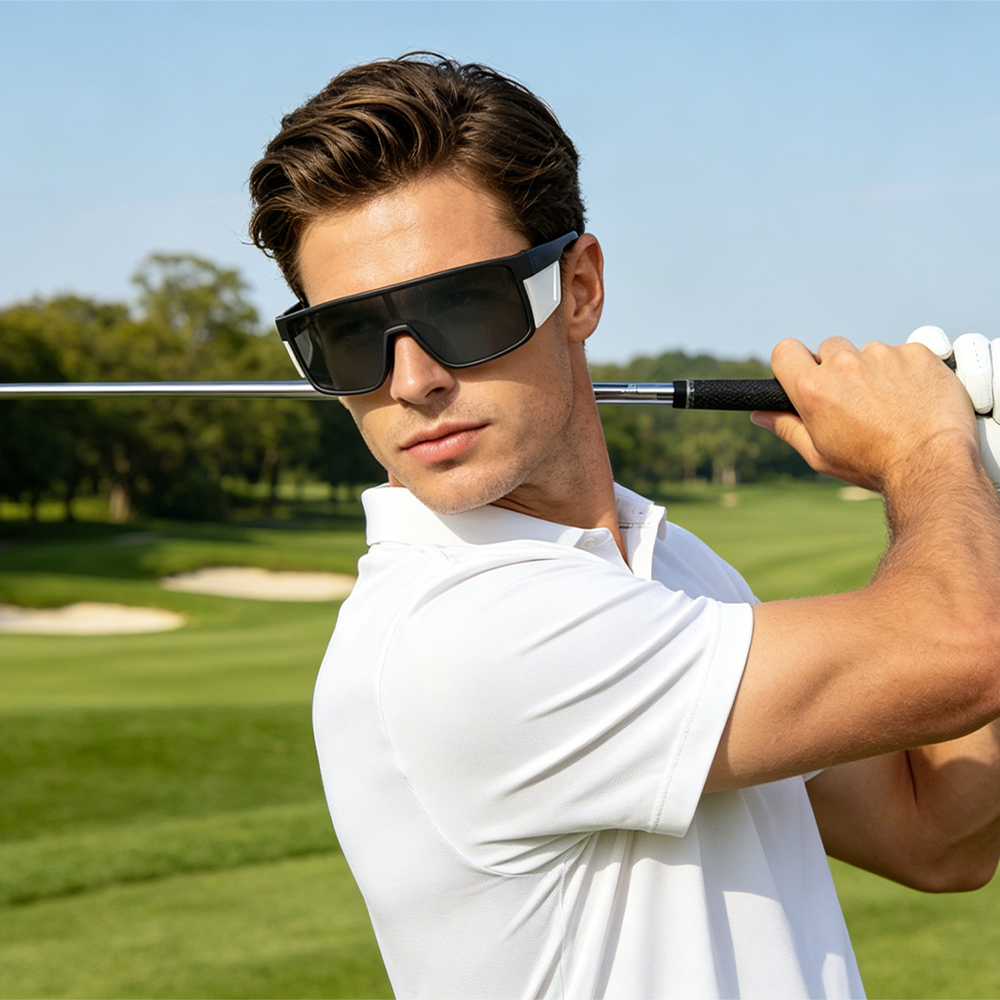
A typical real-world example is an angler wearing interchangeable polarized sunglasses on a full-day fishing trip, switching between lens types as light conditions change, while still maintaining comfort due to the lightweight frame structure.
4. Performance Testing and Quality Standards
Before entering the market, fishing sunglasses must pass strict testing procedures to ensure durability and safety.
4.1 Key Testing Requirements
- Impact resistance (1.3m drop test)
- UV400 protection verification
- Temperature resistance from -10°C to 50°C
- Scratch resistance evaluation
4.2 Comfort Standards
High-quality eyewear should ensure:
- 4–6 hours of continuous wear without discomfort
- Stable positioning during movement
- Balanced pressure distribution on nose and ears
5. Application Scenarios and User Preferences
Men’s polarized fishing sunglasses are widely used across different outdoor environments:
- Sea and freshwater fishing
- Recreational angling activities
- Hiking and water sports
- Long-hour outdoor working conditions
In real usage scenarios, many anglers prefer polarized eyewear because it significantly reduces surface glare and improves underwater visibility, especially when lighting conditions change throughout the day.
For example, in early morning fishing sessions, anglers may rely on lighter lenses for visibility, while switching to darker polarized lenses when sunlight becomes stronger.
6. Selection Process Summary
A practical selection approach includes:
- Identify fishing environment and light intensity
- Select appropriate polarization level
- Choose frame type and weight preference
- Ensure comfort and stability
- Check UV protection and durability
- Confirm prescription lens compatibility if needed
Conclusion
Choosing the correct fishing sunglasses is all about balancing the three elements: good eyesight, comfort, and adaptability in changing outdoor environments. Matching the right sunglasses is highly effective in achieving better eyesight, avoiding eye strain, and enhancing efficiency when fishing.
On a production basis, custom fitting and optical quality also become important factors.
If you are looking for professional eyewear solutions or custom development support, you can contact XUNQI GLASSES FACTORY, a manufacturer specializing in sports and outdoor sunglasses, to discuss product options and cooperation opportunities.