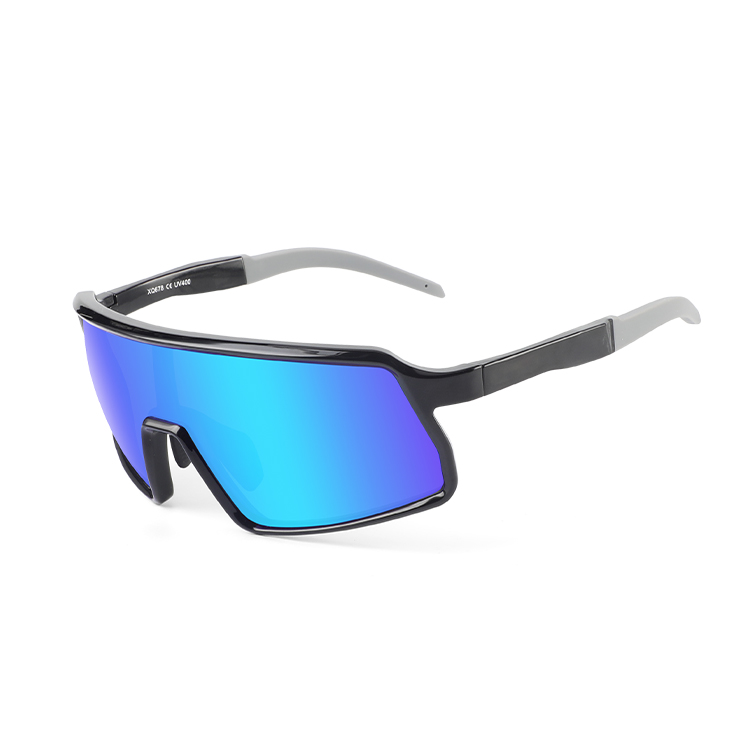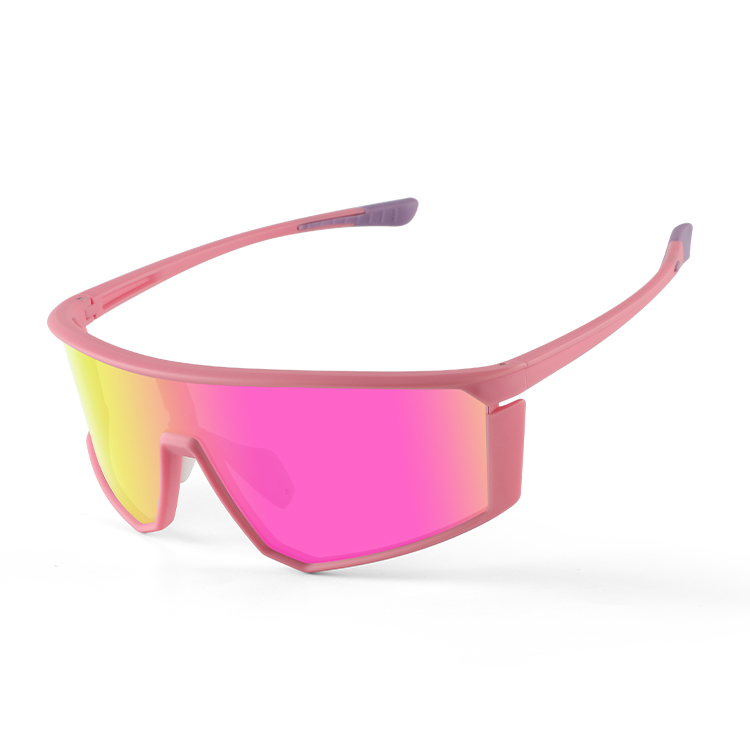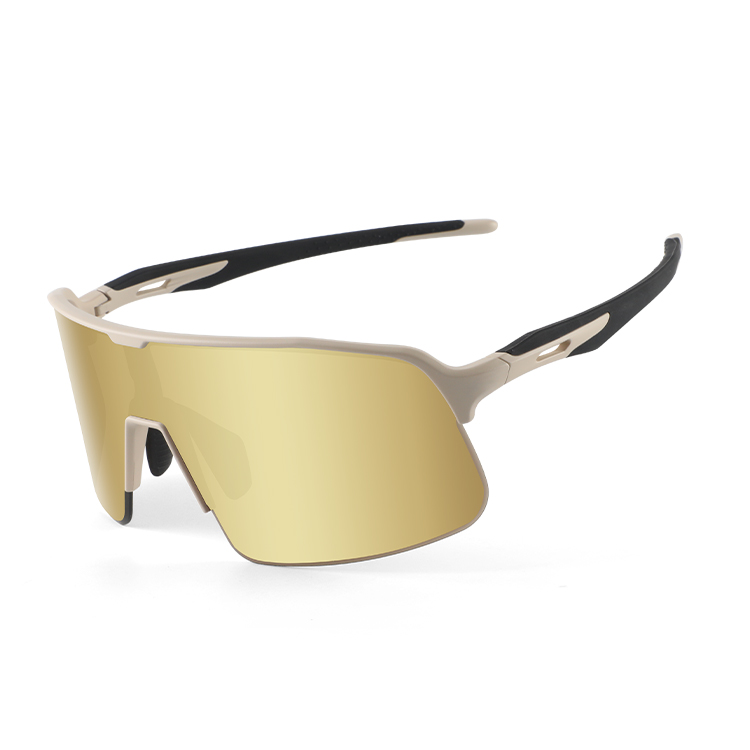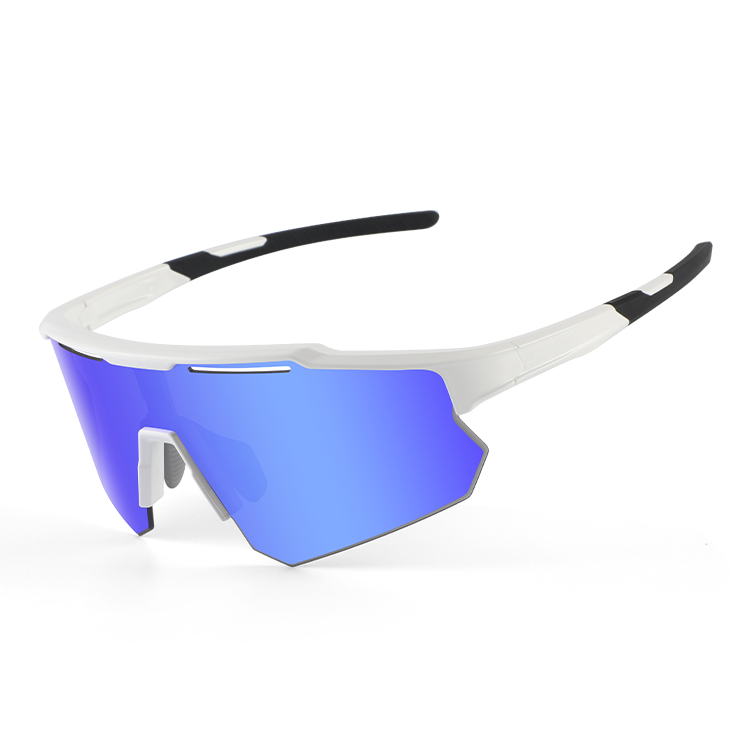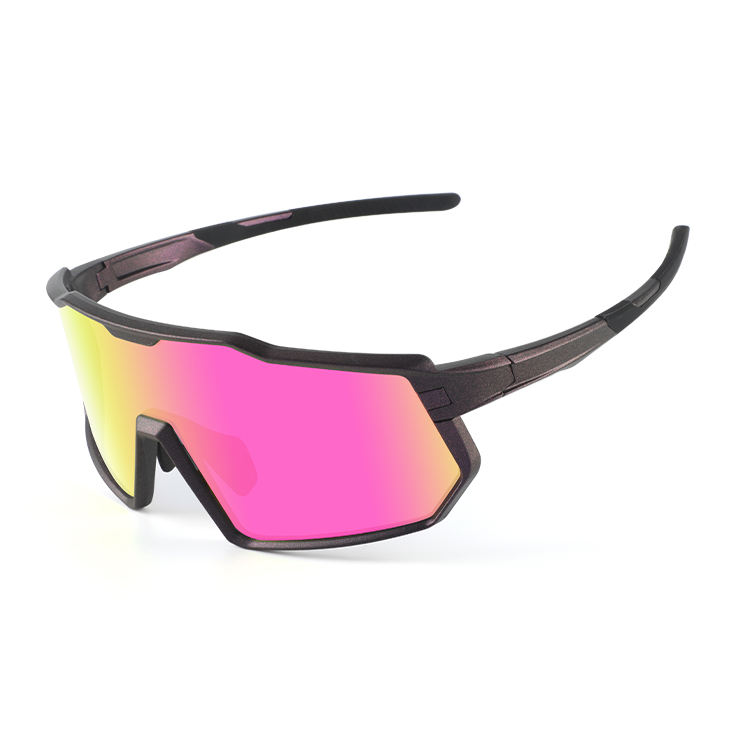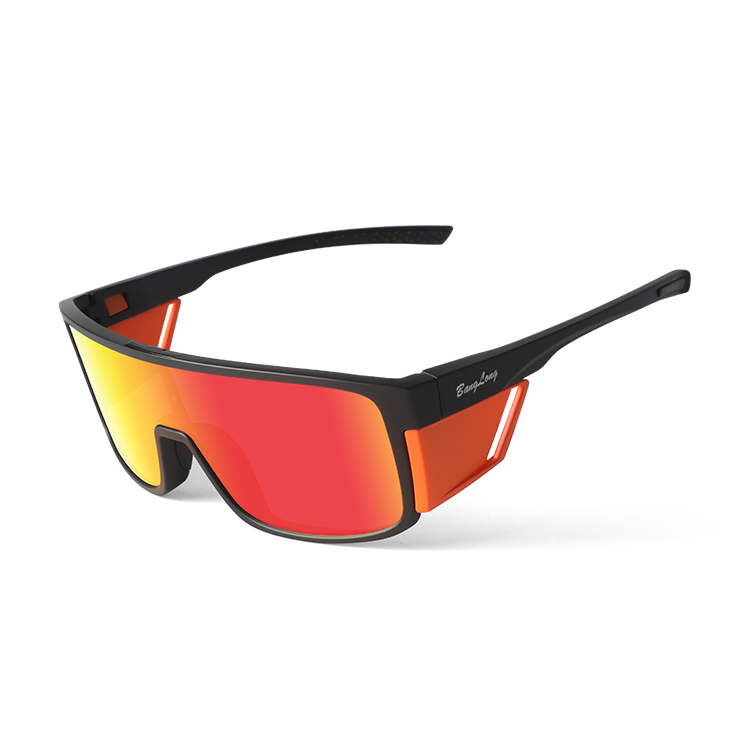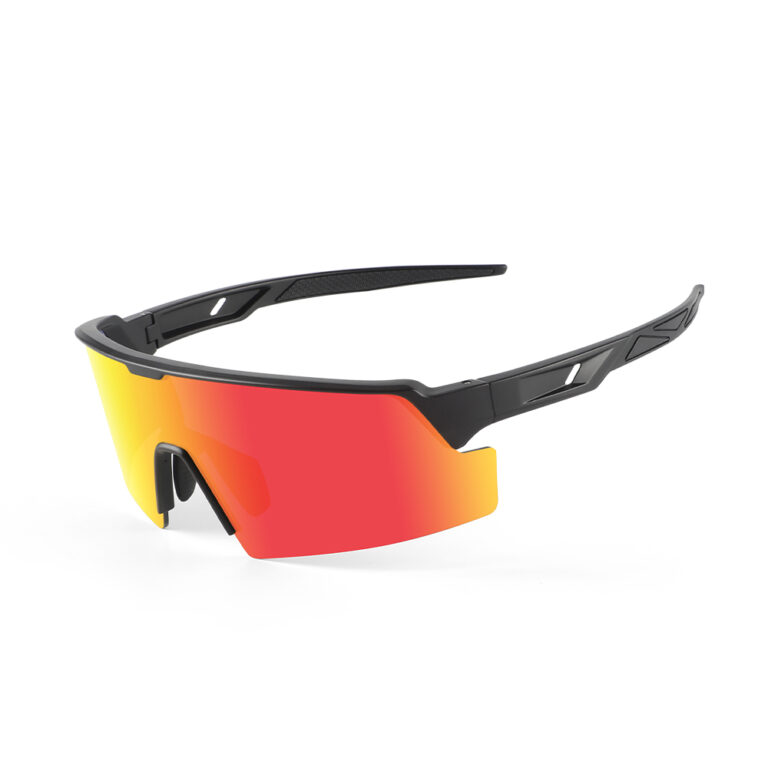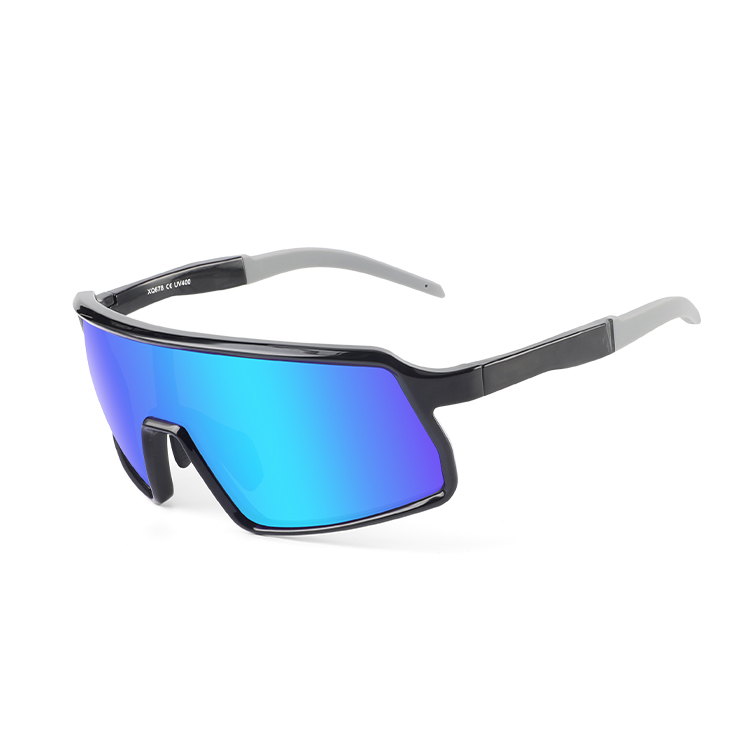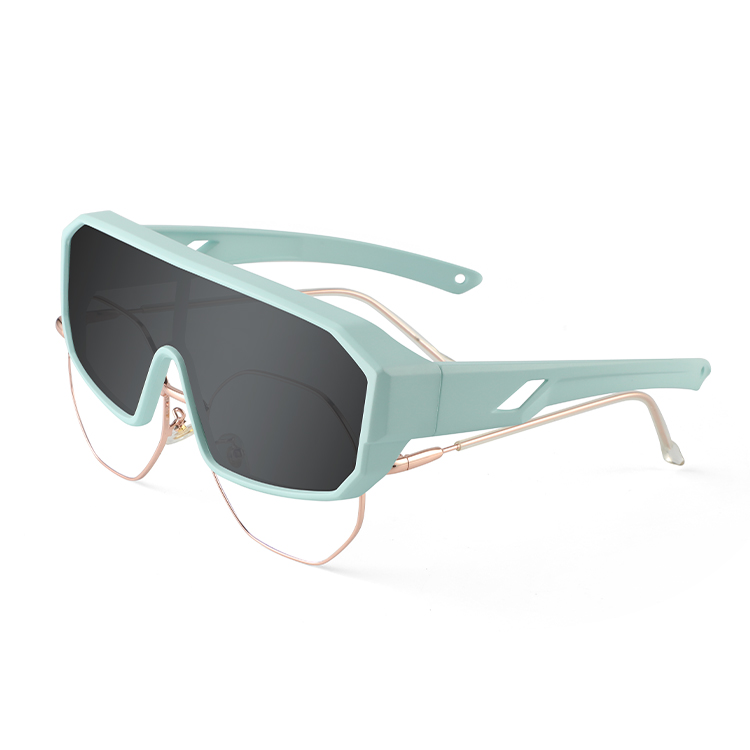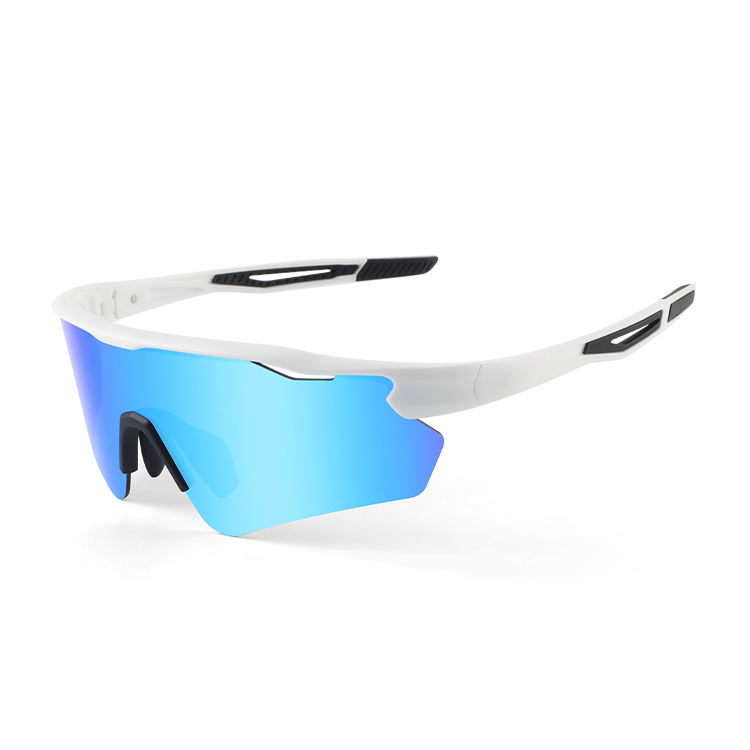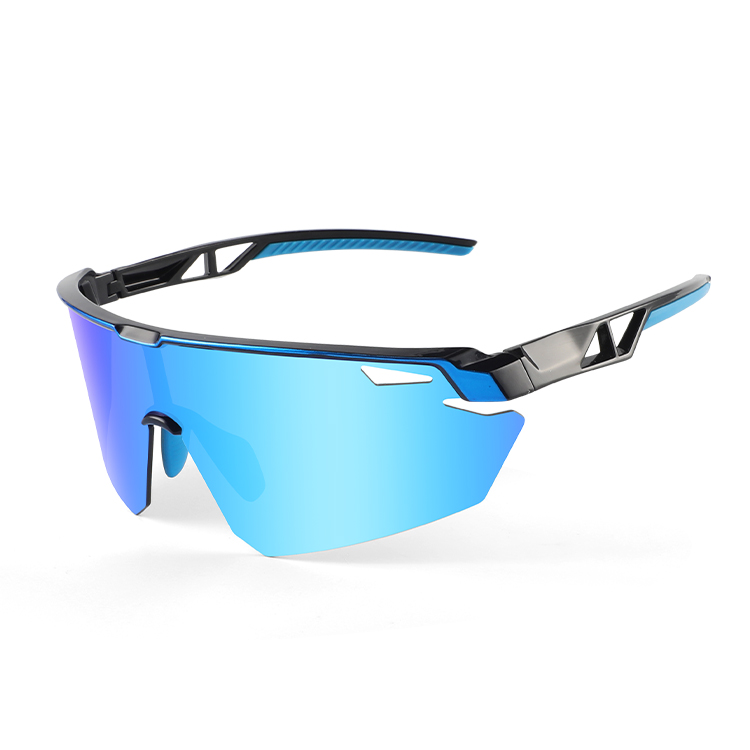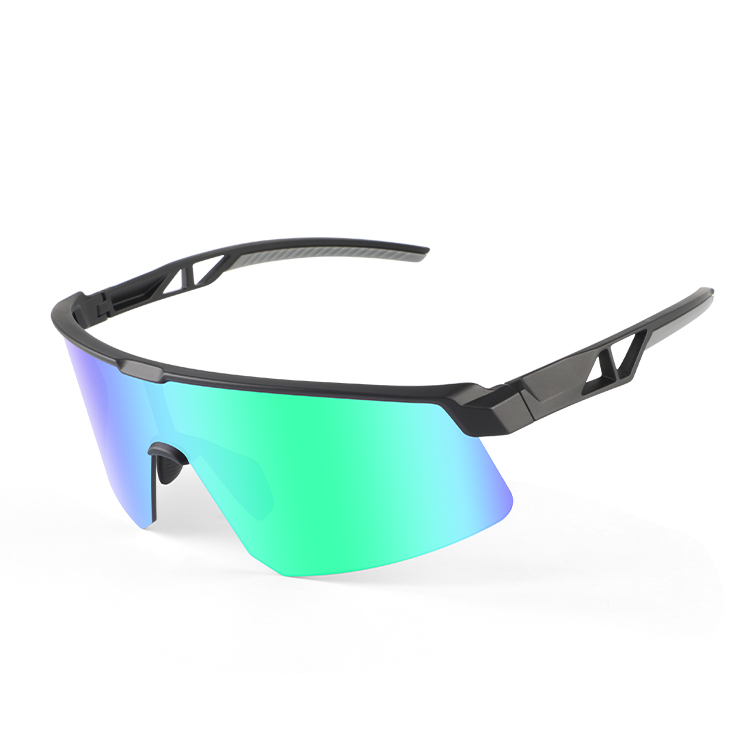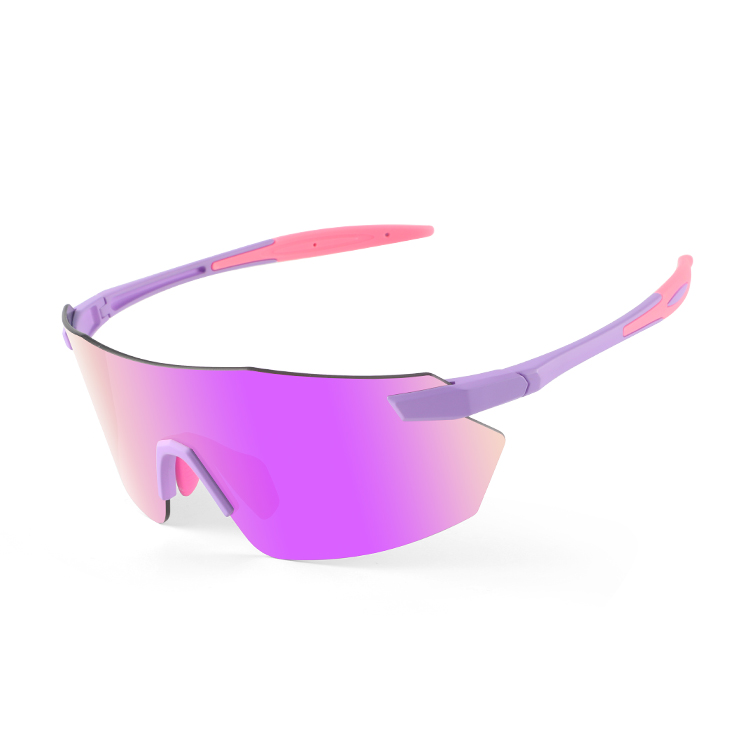












In golf, people care most about clubs, balls, and shoes—but what you can very easily overlook is golf sunglasses. Sunglasses are not just for keeping the sun out of your eyes. They can reduce glare, enhance contrast, safeguard your eyes from debilitating UV radiation, and help you see the ball better. Good golf sunglasses rely on several simple considerations.
Why Golf Sunglasses Matter
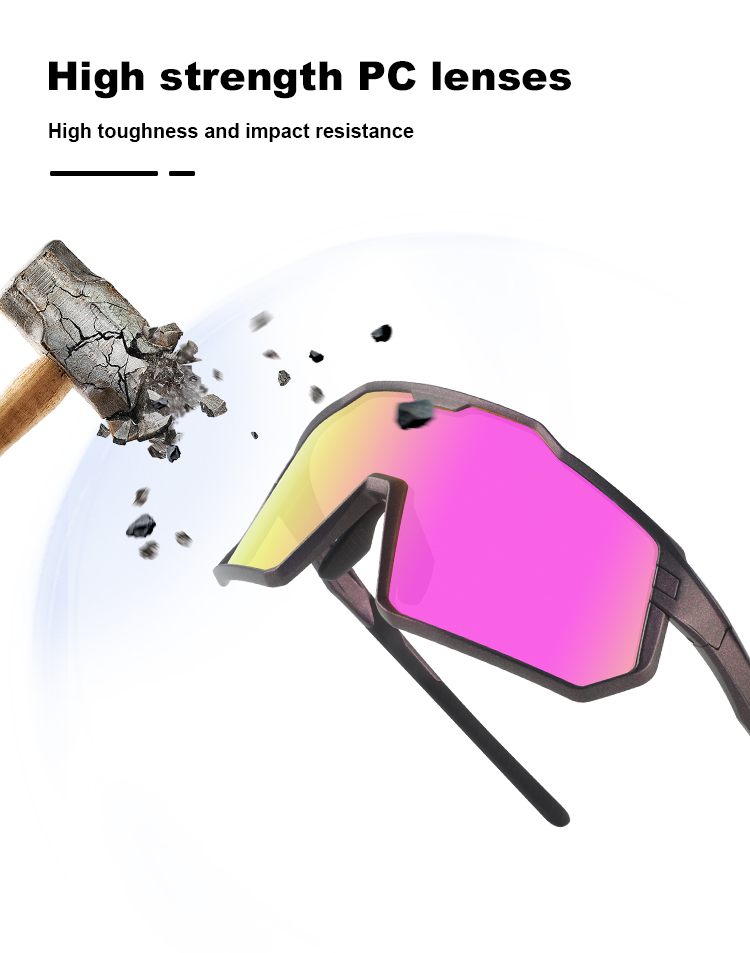
During a sunny day, the sun and glare really mess up your eyes. Ordinary sunglasses will make your vision too blurry or distort colors, so greens and fairways are harder to read. Golf sunglasses are made to:
- Enhance contrast so that you can clearly see the ball in relation to the grass.
- Minimize glare from water hazards, bunkers, or wet surfaces.
- Block eyes from sun damage on extended rounds.
- Focus and relaxation, keeping your eyes alert to 18 or more holes.
Lens Technology and Polarization
Lens technology plays a crucial role in performance:
- Polarized lenses: Optimal for limiting glare on reflective surfaces such as ponds or mirror-like fairways. Others, though, feel polarization alters depth perception when viewing greens slightly.
- Non-polarized lenses: More natural depth perception that can be an asset in competition.
- UV400 protection: Wear 100% UVA and UVB-blocking lenses everywhere.
- Special coatings: Anti-scratch and anti-fog coatings offer durability in addition to clear vision under various condition.

Lens Color for Different Conditions
Lens tint actually impacts visibility. Some popular golf sunglasses include:
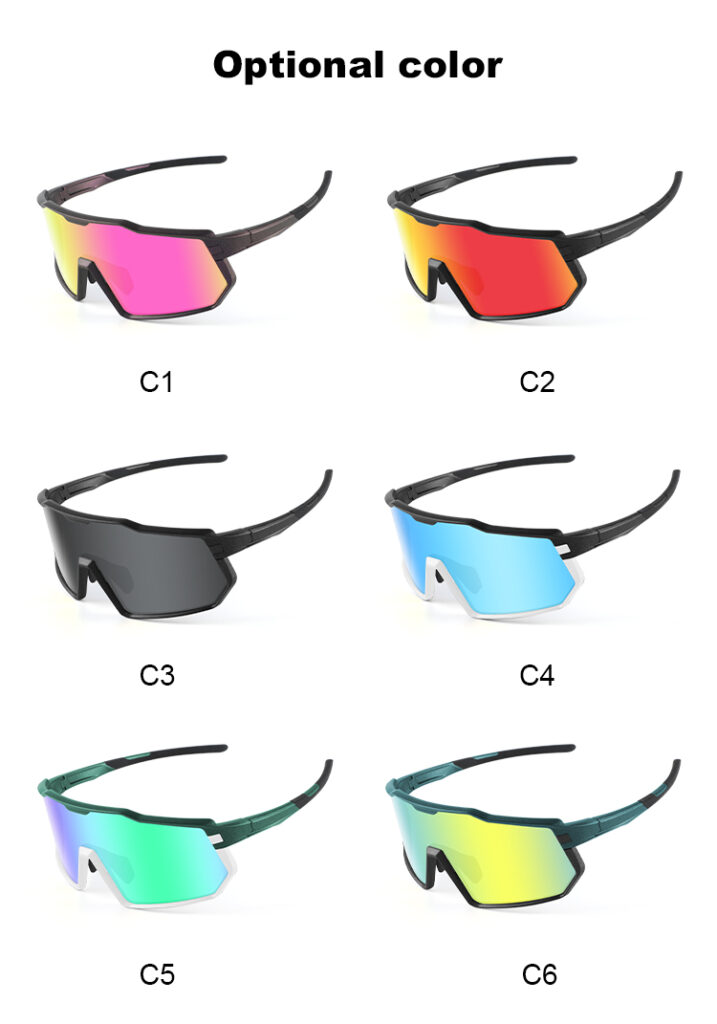
- Brown/Amber lenses: Enhance contrast and work best in bright, sunny conditions.
- Gray lenses: Reduce brightness without compromising natural color vision—most appropriate for direct sun.
- Green lenses: Provide balanced contrast and clarity for changing light.
- Yellow/Rose lenses: Lighten and enhance visibility on dull days, dawn, or dusk.
Frame Design and Comfort
When selecting golf sunglasses, select a style that is comfortable enough to wear for hours straight. Look at these:
- Lightweight materials: TR90, titanium, and other high-strength composites are formed into lightweight yet tough frames that you scarcely feel on your face after a round. Heavy, thick frames produce pressure points and tiredness after 18 holes.
- Non-slip nose pads and temple grips: Golfing involves walking outdoors, and perspiration will cause sunglasses to slip. Rubber or silicone nose pads and textured temple tips keep your golf glasses on your face at impact and while walking on the course.
- Ventilation systems: Poor ventilation of sunglasses in hot or humid conditions will fog them up and distort your vision. Sunglasses featuring small air passages or anti-fog technology allow airflow, ensuring clear vision always.
- Adjustability and fit: Quality golf sunglasses may feature adjustable nose pads or flex temples, so the frame accommodates a specific face shape as desired. A close, secure fit offers stability without tightness.
That is, the perfect frame must be stable, strong, and comfortable—your attention being on the ball, not constantly readjusting your shades.
Conclusion
The perfect pair of golf sunglasses can make a big difference to your comfort, concentration, and game on the course. By considering lens technology and color. You’ll be able to find sunglasses that not only protect your eyes but also improve your game.
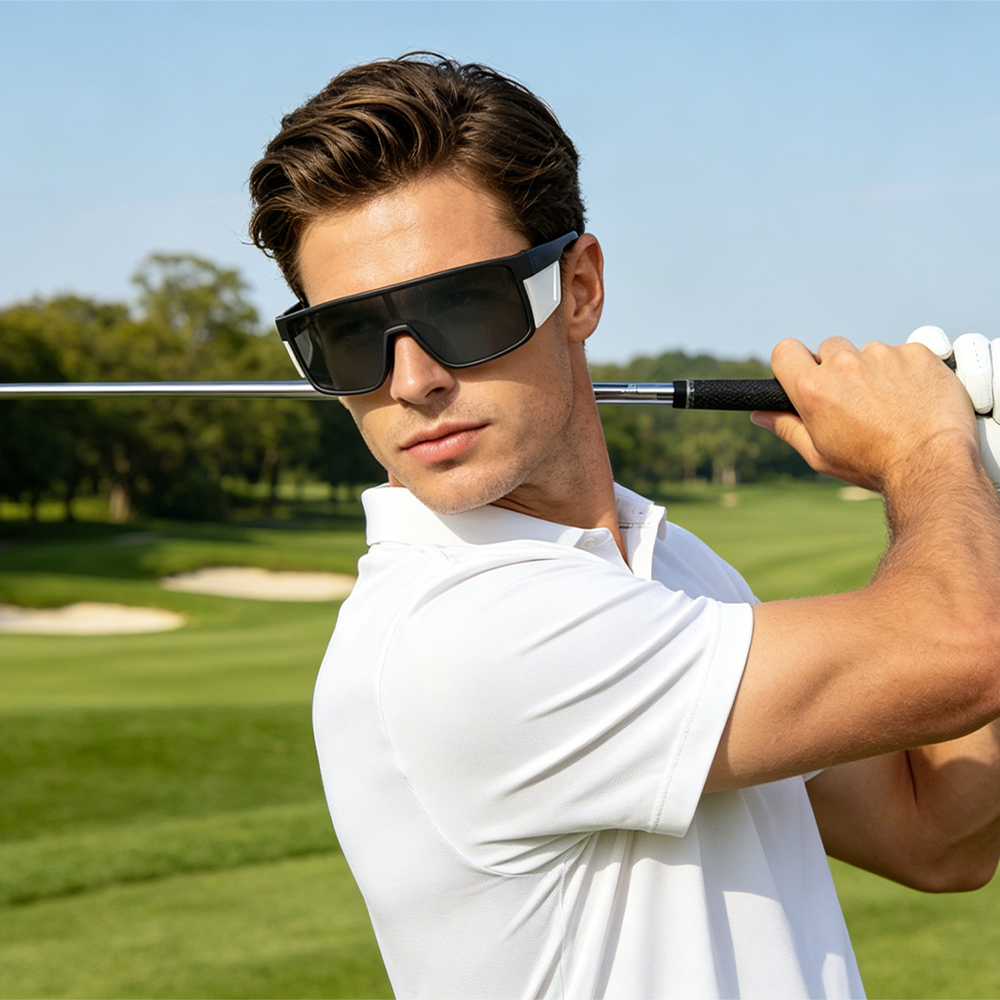
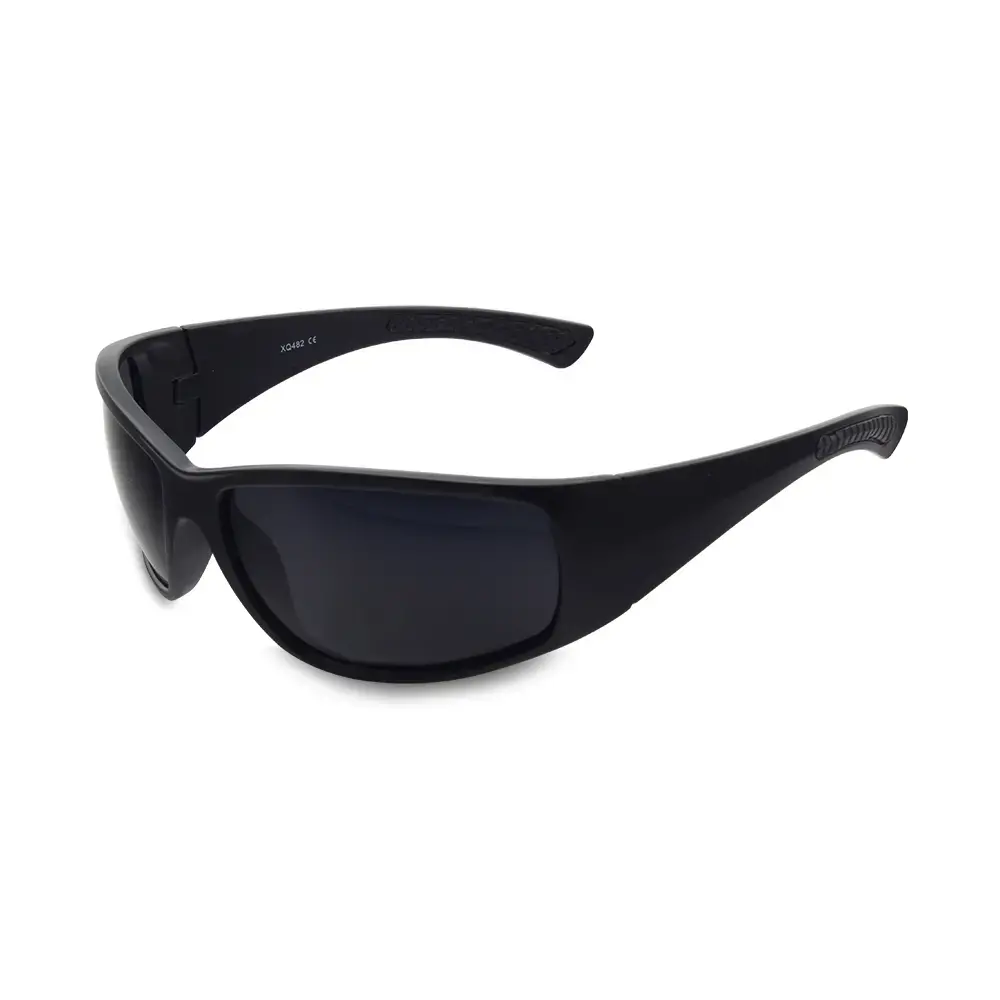
Whether you are a professional golfer or a weekend golfer, it will be time well spent to invest in some quality golf sunglasses, and it will make every one of your rounds of golf that much better. If you require the ultimate in top-shelf best-of-class performance goggles, XUNQI golf sunglasses are the best in clarity, comfort, and protection. Want to learn more or have the pair you require? Call us today for personal guidance and product recommendations.
.webp)