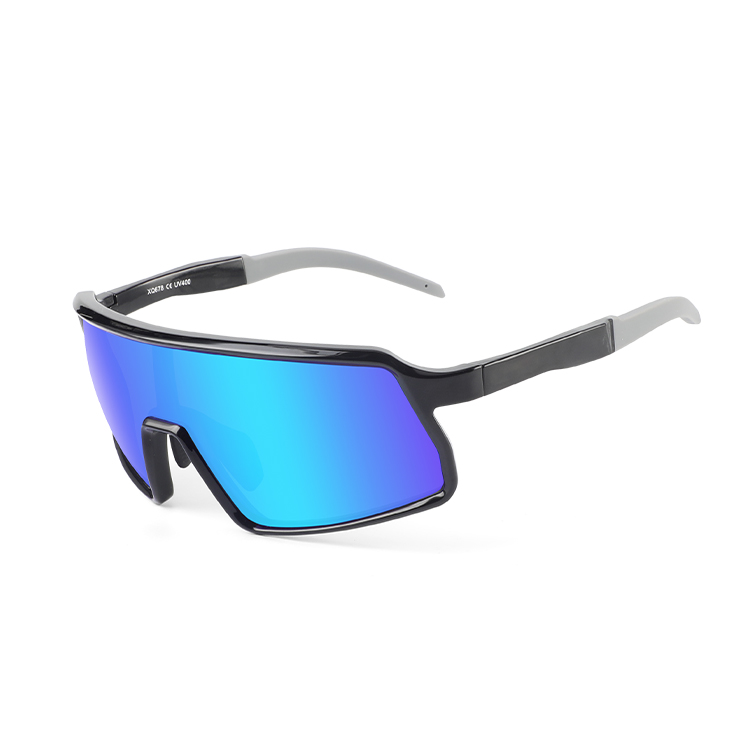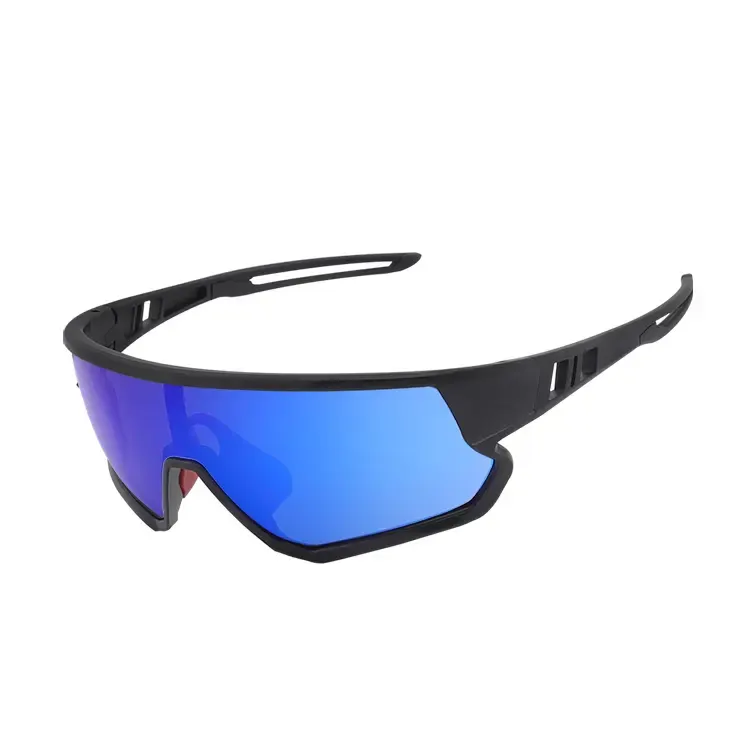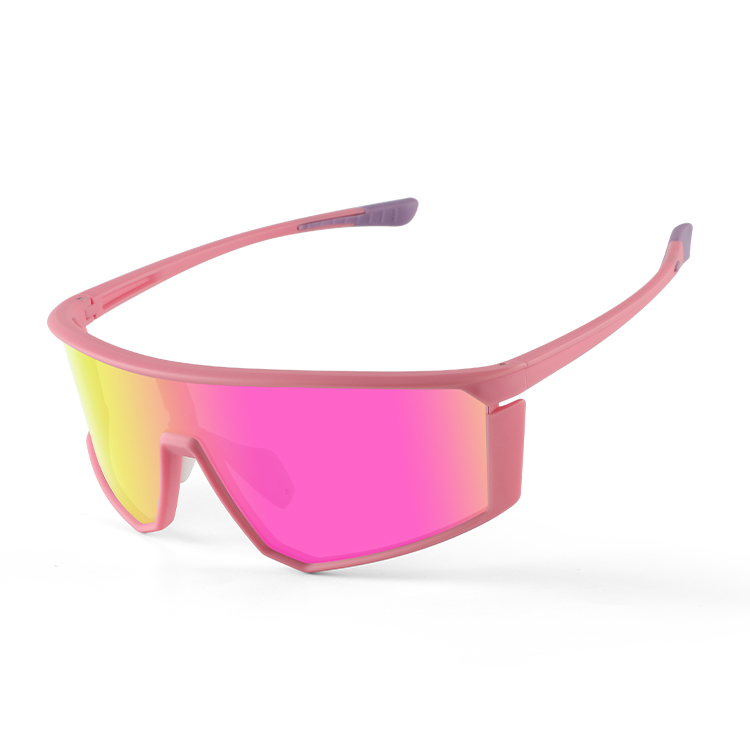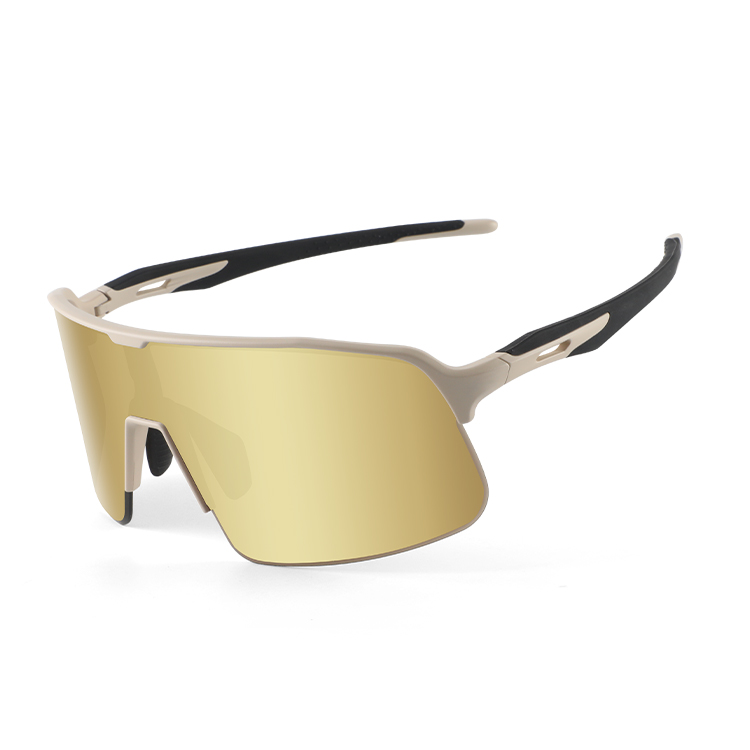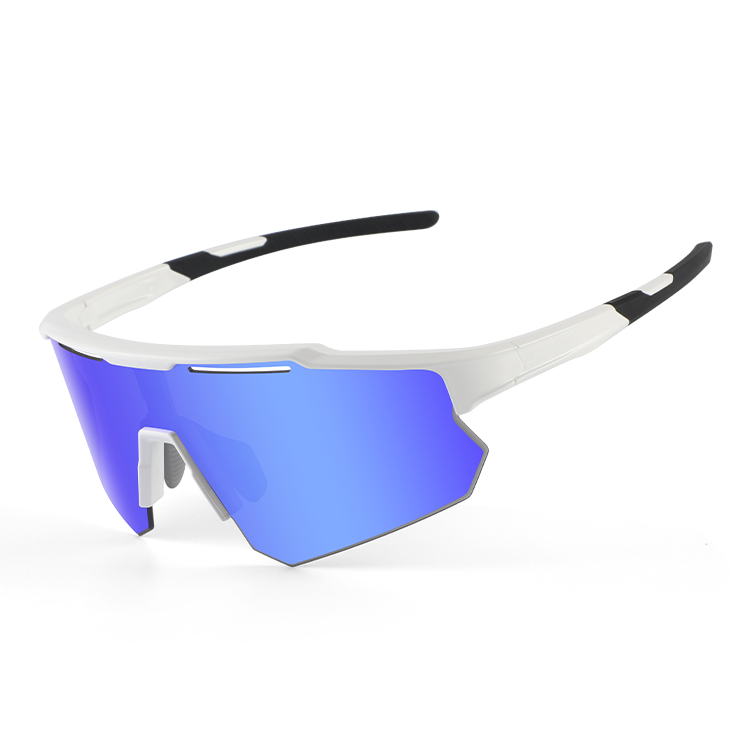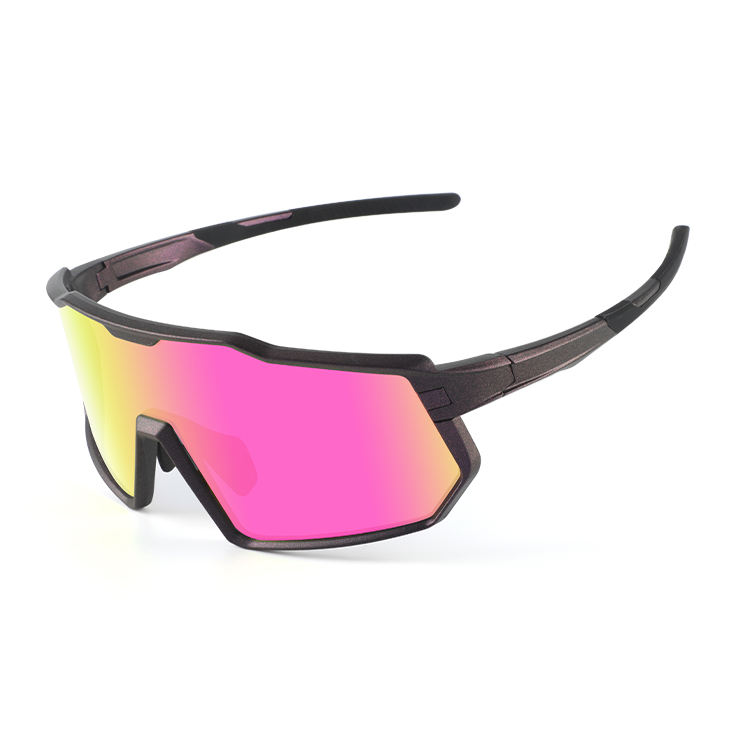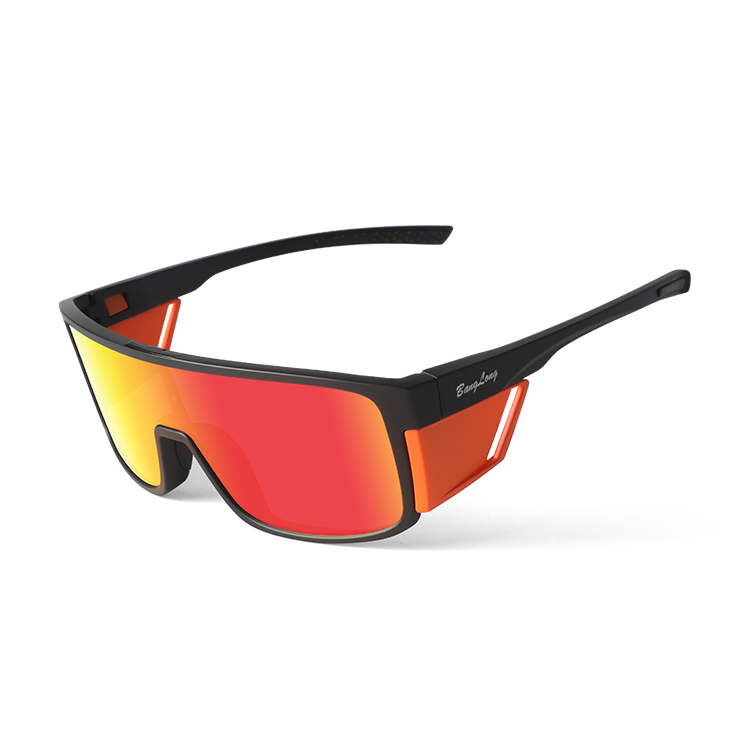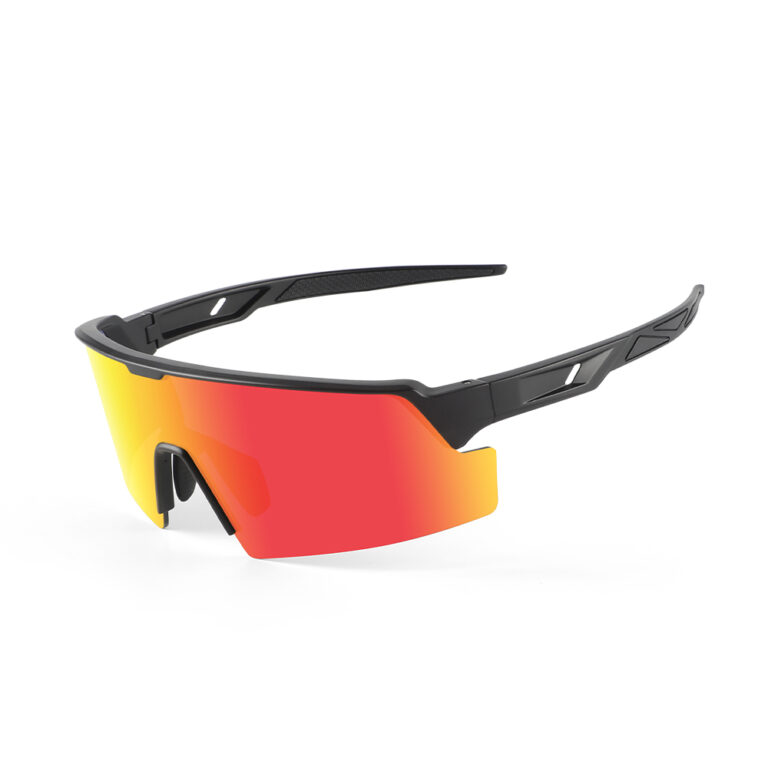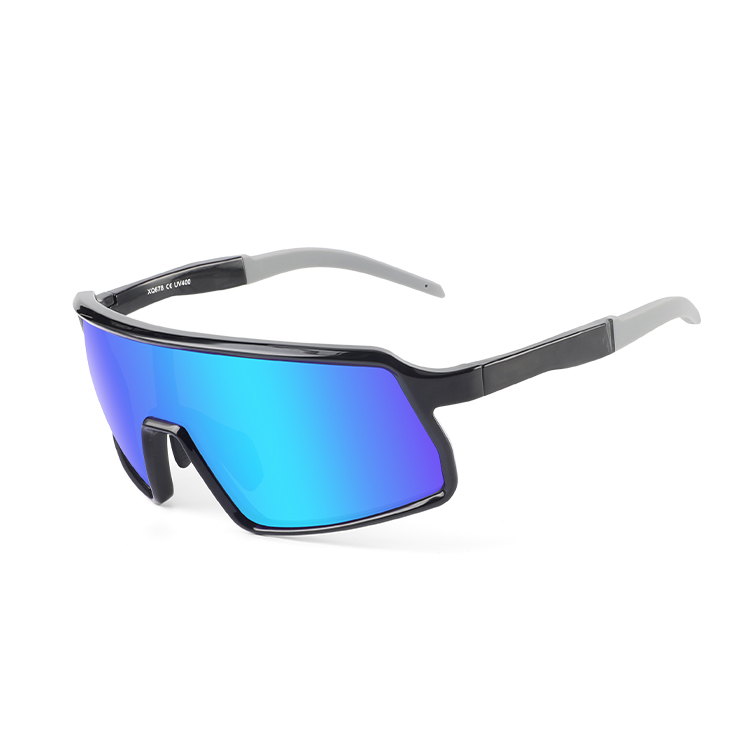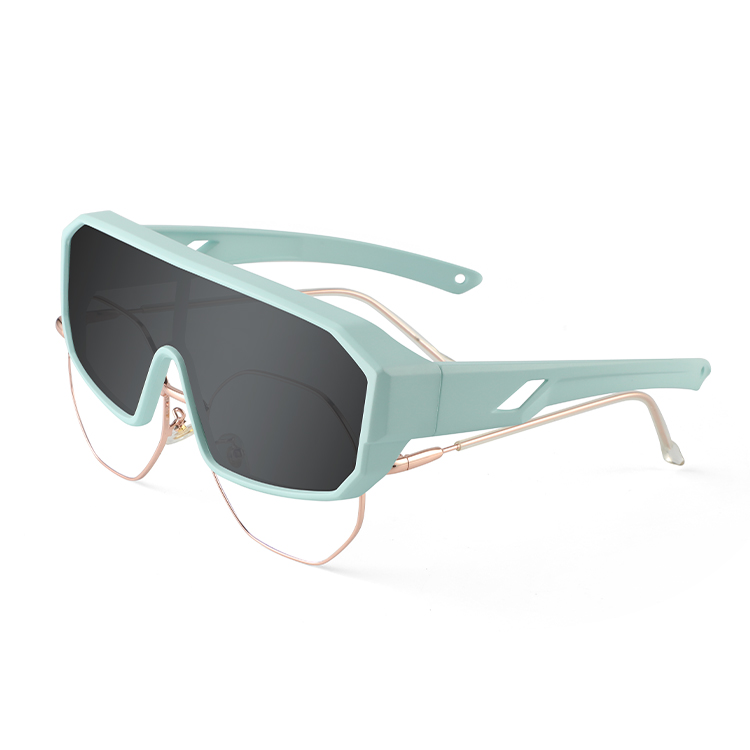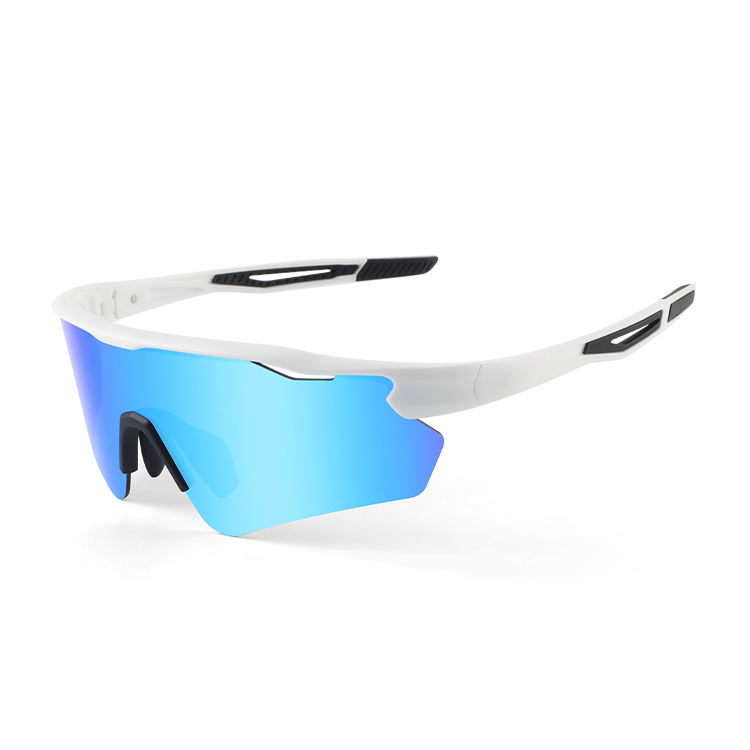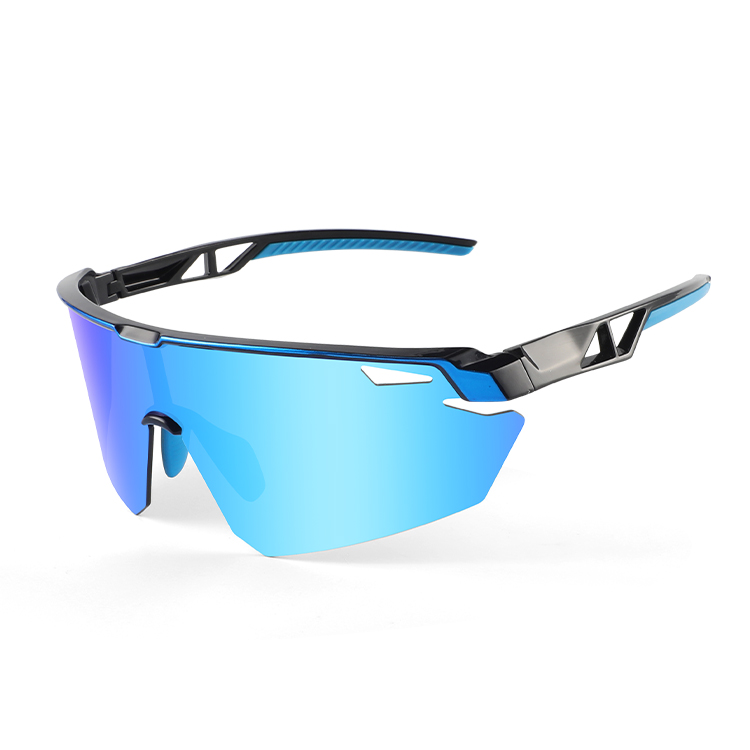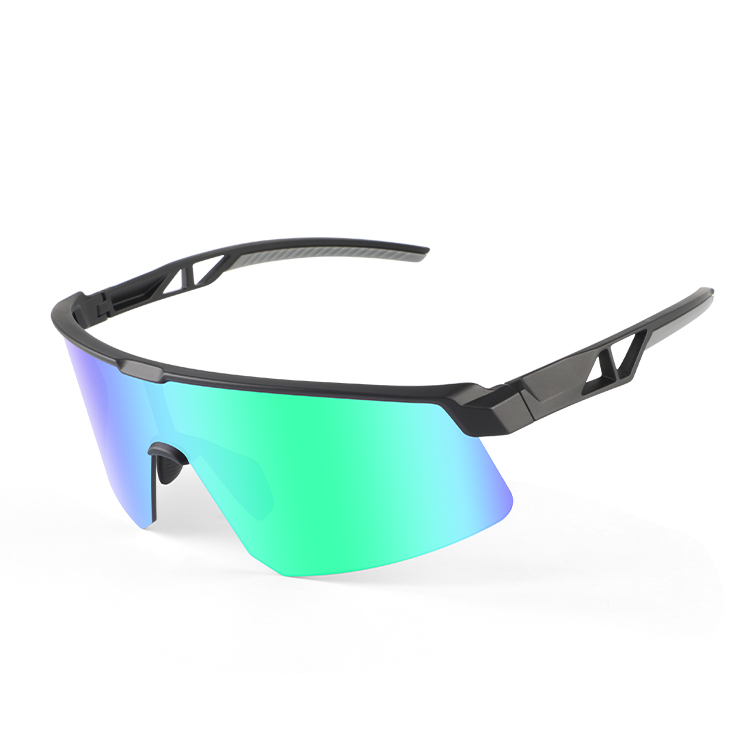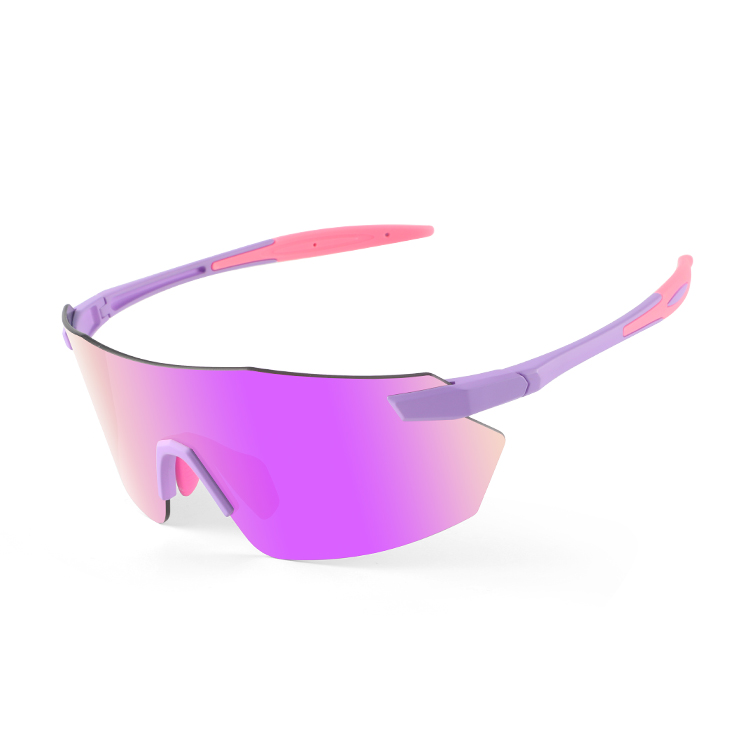












With an increasing interest in outdoor sports and cycling among young people, the issue of the quality of the bicycle gear among youths has started getting their attention. Wearing of protective glasses while cycling is very crucial; however, it is neglected most of the time. This has made youths riding outside vulnerable to elements such as sunshine, wind, and other flying objects that could damage their eyes. With these things in mind, the choice of proper youth cycling sunglasses becomes very important.
Professional cycling goggles have been specifically developed for sporting activities as opposed to conventional sunglasses that have not. Professional cycling eyewear is known to have advanced lens technology, lightweight frames, enhanced ventilation, and a snug fit. When choosing appropriate cycling goggles for children, several aspects need to be considered.
1. What Are the Key Features of Youth Cycling Sunglasses?
 1.1 Effective UV Protection for Young Eyes
Due to the sensitivity of young riders to light exposure, their eyes may suffer from strain due to continued exposure to ultraviolet rays. Good youth cycling sunglasses will always have lenses that are UV400, which means they filter out ultraviolet rays below 400 nm.
The main benefits of UV400 lenses include:
- Reducing exposure to harmful UV rays by over 99%;
- Reducing eye strain under strong sunlight;
- Improving visual comfort during extended outdoor activities;
- Ensuring improved visual clarity across various lighting environments.
The other thing is that some of the lightweight cycling sunglasses even come with UV400 photochromic lenses that have the ability to change their color depending on the amount of light available. They get darker when there is plenty of light and clear when there is not enough light.
1.2 Lightweight Design for Better Comfort
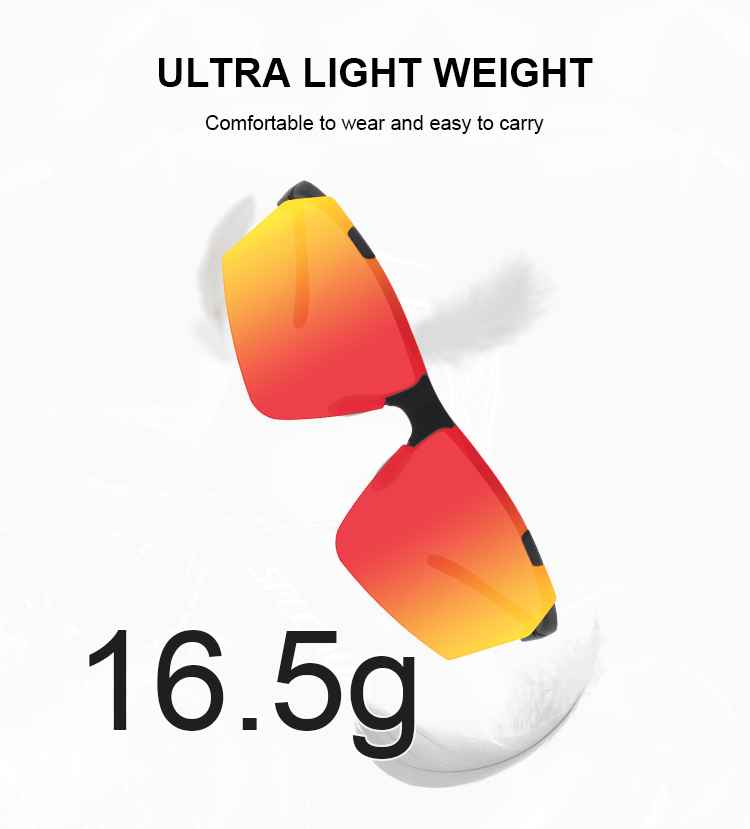
Weight becomes crucial to the comfort of wear for young riders. If the frames become heavy, they can put pressure on the nose and ears of the wearer, making him uncomfortable.
In professional sunglasses worn by cyclists, TR90 frames have been commonly used due to their lightness. The frames of these sunglasses normally weigh about 20g to 35g.
| Feature | Advantage |
| High flexibility | Adapts to different face shapes and reduces pressure |
| Impact resistance | Improves protection during sports activities |
| Lightweight structure | Provides better comfort for long-term wear |
| Shape retention | Maintains stability during frequent use |
For example, Featherweight TR90 Half-Rim UV400 Photochromic Sports Sunglasses for Cycling Running Outdoor Activities adopt a lightweight half-rim structure, making it suitable for cycling, running, and various outdoor sports.
2. How Do Youth Cycling Sunglasses Improve Riding Safety?
2.1 Wide-Angle Lenses Reduce Blind Spots
When riding bicycles, cyclists need to have clear vision regardless of varying speed and varying environmental settings. Conventional sunglasses may reduce peripheral vision due to the thick frames that they possess, and professional cycling glasses use wide lenses or even frameless designs to enlarge vision.
Wide lens glasses enable young cyclists to view conditions on the roads and other objects on the way easily. This is particularly necessary for young people who are still gaining outdoor cycling skills.
Peripheral vision improvement through cycling sunglasses will make riding easy and safe for young people.
2.2 Windproof and Dust-Resistant Protection
During high-speed cycling, there is increased airflow that may be uncomfortable as well as may obstruct visibility due to dust, tiny objects, and even winds getting into the rider’s eyes.
This problem is usually addressed by professional cycling glasses in terms of their ergonomic structure and airflow management design.
Common features include:
- Curved lenses for enhanced side protection;
- Ventilation openings to reduce fogging;
- Anti-slip nose pads and temple tips for improved stability.
These features allow young cyclists to maintain clear vision and comfortable wearing performance during long-distance rides or challenging outdoor environments.
3. How to Choose the Right Youth Cycling Sunglasses for Young Riders?
3.1 Select Lens Types Based on Riding Conditions
Different cycling environments require different lens functions. Choosing the appropriate lens type can significantly improve the riding experience.
| Riding Environment | Recommended Lens Type | Main Benefits |
| Sunny outdoor cycling | UV400 lenses | Strong ultraviolet protection |
| All-day riding | Photochromic lenses | Automatically adjust light transmission |
| Mountain cycling | Polarized lenses | Reduce glare and improve clarity |
| Urban commuting | Colored sports lenses | Enhance visual comfort |
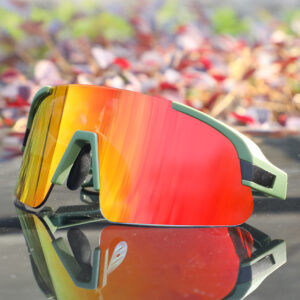
A typical example is UV400 Protection TR90 Photochromic Sports Sunglasses for Running, Cycling & Outdoor Adventures, which are designed with a flexible TR90 frame and adaptive lenses that automatically respond to brightness variations, providing cyclists with improved visibility during outdoor activities.
 3.2 Consider Size Compatibility and Wearing Stability
Young riders generally have smaller facial structures compared with adults, so choosing the correct size is essential. Oversized sunglasses may affect comfort and reduce the effectiveness of protection.
A suitable pair of cycling sunglasses should provide:
- A frame width that matches the rider’s face shape;
- Comfortable nose support without excessive pressure;
- Stable temple fitting during movement;
- Secure positioning during intense activities.
Proper sizing ensures that the eyewear stays in place while allowing young riders to focus on cycling.
4. How Are Youth Cycling Sunglasses Different from Regular Sunglasses and How Can They Last Longer?
Whereas sunglasses will protect you from the sun’s light to some degree, they have not been made for active outdoor sporting activities. Professional youth cycling sunglasses outperform standard glasses in that they offer improved vision, more protection, and enhanced stability.
4.1 Professional Design for Outdoor Sports
Generally, cycling eyewear comes with big lenses and a frame design for improved wind resistance. There is a variety of different models such as full frame, half frame, and even frameless ones.
| Comparison | Regular Sunglasses | Cycling Sunglasses |
| UV protection | Basic protection | Usually UV400 protection |
| Stability | May slip during movement | Designed with anti-slip features |
| Field of vision | Standard viewing range | Wider sports-focused vision |
| Wind protection | Limited | Better side coverage |
| Application | Daily use | Cycling and outdoor activities |
For young riders who participate in cycling training, outdoor adventures, or weekend rides, professional cycling eyewear offers more comprehensive protection and a better overall experience.
4.2 Proper Maintenance Extends Product Lifespan
Besides product quality, proper maintenance also plays an important role in keeping cycling sunglasses in good condition.
Recommended maintenance practices include:
- Cleaning lenses with a professional microfiber cloth to prevent scratches;
- Avoiding long exposure to high temperatures;
- Storing sunglasses in a protective case when not in use;
- Regularly checking the frame and nose pads for stability.
Good maintenance habits help preserve lens clarity and frame performance, allowing youth cycling sunglasses to maintain reliable protection for a longer period.
Conclusion
The selection of appropriate cycling eyewear by the youth should entail thorough deliberations on factors such as UV radiation, lens technology, weight of the frame, and comfort of wear. A good set of youth cycling sunglasses can help protect youthful eyes and make riding activities safe and comfortable.
If you are looking for professional cycling eyewear solutions with reliable lens performance, lightweight designs, and customizable options, feel free to contact XUNQI. Our team can provide suitable eyewear solutions to meet different cycling and outdoor sports requirements.
.webp)